

At the core of this equation lies the weight of your snowboard boots, an often underestimated yet critical factor in your overall snowboarding experience. In the exhilarating world of snowboarding, every ounce counts.
Whether you’re a seasoned snowboarder seeking to push your limits on the slopes or a novice gearing up for your first adventure in the powdery wonderland, the weight of your gear is an essential consideration.
Snowboard boots are your connection to the board and the medium through which your commands translate into breathtaking descents and gravity-defying tricks.
Also Read: How Much Do Steel Toe Boots Weight
The significance of their weight becomes evident as you navigate the varying terrains of the mountain, negotiate jumps and turns, and endure long hours on the slopes. In this exploration, we’ll dive into the world of snowboard boots, dissecting their weight from multiple perspectives.
You’ll discover how the weight of these boots can impact your performance, comfort, endurance, and, ultimately, your enjoyment of this beloved winter sport. Whether you’re seeking to gain an edge in the terrain park, embark on epic backcountry adventures, or simply savor the magic of snowboarding, understanding the weight of your snowboard boots is a journey worth embarking on.
From freestyle enthusiasts craving lightweight agility to backcountry explorers demanding durability and warmth, the world of snowboard boots offers a diverse range of options, each with its own unique weight profile.
Join us on this journey through the realm of snowboard boots as we unveil the weighty truth behind this vital piece of your snowboarding puzzle, unlocking insights that will help you carve your path to winter wonderland glory.

The Basics of Snowboard Boot Weight
As you prepare to conquer the snowy landscapes and carve your mark on the mountain, understanding the basics of snowboard boot weight is your first step towards optimizing your snowboarding experience.
In this section, we will explore the fundamental elements of snowboard boot weight, shedding light on why it matters, how it affects your riding style, and the factors that contribute to variations in weight.
The Weighty Significance:
Why should you care about the weight of your snowboard boots? We’ll delve into the role that boot weight plays in your overall performance, comfort, and endurance on the slopes.
How Weight Impacts Riding Style:
The weight of your boots can influence your riding style. Whether you’re into freestyle tricks, carving pristine lines, or conquering the backcountry, we’ll discuss how boot weight aligns with your chosen snowboarding discipline.
Factors Affecting Boot Weight:
What makes one pair of snowboard boots heavier or lighter than another? Here, we’ll explore the various elements, such as materials, features, and design, that contribute to the overall weight of your boots.
By grasping the fundamental principles of snowboard boot weight, you’ll be equipped with the knowledge to make informed decisions when selecting the perfect pair of boots to match your snowboarding aspirations and preferences.
Whether you’re chasing adrenaline in the terrain park, seeking pristine powder runs, or embracing the serenity of the backcountry, understanding the weight of your snowboard boots is essential for an exceptional ride.
Boot Size, Style, and Materials
In our quest to unravel the intricacies of snowboard boot weight, we’ll delve into three essential aspects that significantly influence the overall heft of your boots: size, style, and materials. Understanding how these factors interplay with weight can aid you in making the perfect choice when selecting your snowboarding footwear.
Style:
Snowboard boots come in various styles, each tailored to different disciplines within the sport. Whether you’re inclined toward freestyle, all-mountain, or backcountry riding, the style of your boots can significantly influence their weight.
We’ll dissect the weight dynamics of these styles and help you align your choice with your preferred snowboarding terrain and goals.
Materials:
The materials used in the construction of snowboard boots are a fundamental factor in determining their weight. From the outer shell to the liner and insulation, the choice of materials can significantly affect the overall heft of the boots.
We’ll investigate the role of materials in snowboard boot weight and how they contribute to comfort, performance, and durability.
Also Read: How to Return Hey Dude Shoes: A Step-by-Step Guide
By understanding the weight implications of boot size, style, and materials, you’ll be better equipped to select snowboard boots that harmonize with your snowboarding aspirations.
Whether you’re preparing for park sessions, conquering all-mountain challenges, or embarking on off-piste adventures, the knowledge of these weight-influencing factors will be instrumental in choosing the ideal pair of boots for your next snowboarding escapade.
Importance of Snowboard Boot Weight
The weight of your snowboard boots is a crucial aspect that can significantly influence your snowboarding experience. In this section, we will emphasize the importance of understanding and appreciating the weight of your snowboard boots, touching upon its impact on performance, comfort, and overall enjoyment of the sport.
1. Performance Enhancement:
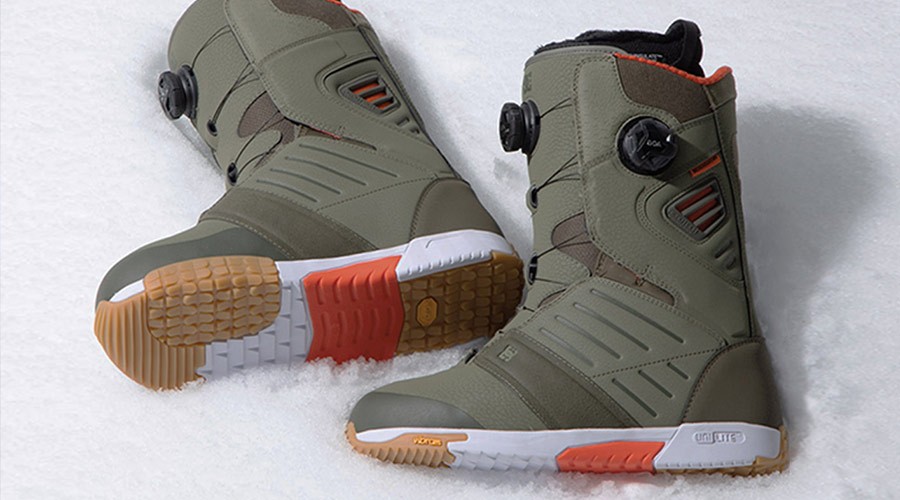
Snowboard boot weight directly affects your performance on the slopes. Lighter boots provide a sense of agility, allowing you to make quick maneuvers, execute tricks, and navigate the terrain with ease. We’ll explore how the right boot weight can enhance your riding skills and contribute to your success in various snowboarding disciplines.
2. Extended Comfort:
Comfort is a top priority for every snowboarder, and the weight of your boots plays a significant role in achieving it. Heavy boots can lead to fatigue and discomfort, while lighter options offer a more pleasant and extended snowboarding experience. We’ll delve into how lighter boots contribute to reduced fatigue and enhanced comfort during long days on the mountain.
3. Versatility in Riding Styles:
Snowboarding encompasses various styles, from freestyle tricks in the terrain park to carving down groomed slopes or venturing into the backcountry. Understanding the importance of boot weight allows you to select the ideal pair that suits your preferred riding style. We’ll discuss how different boot weights cater to specific disciplines.
4. Endurance and Adventure:
Whether you’re aiming to explore the backcountry, embark on long powder runs, or tackle challenging terrains, the weight of your boots can be the difference between fatigue and endurance. Lighter boots can help you maintain your stamina and push your adventures to new heights.
We’ll uncover how boot weight impacts your snowboarding endurance and the lengths you can go to explore the winter wonderland. By recognizing the importance of snowboard boot weight, you’ll be better equipped to make informed choices that align with your snowboarding goals and aspirations.
Whether you’re seeking enhanced performance, extended comfort, adaptability in riding styles, or the endurance to conquer the mountain, understanding the significance of boot weight is the first step towards achieving a remarkable snowboarding experience.
Performance
Performance in snowboarding is often linked to the weight of your snowboard boots. Lighter boots can enhance your agility, responsiveness, and maneuverability on the slopes, making them a preferred choice for freestyle riders and those who enjoy executing tricks and jumps.
We’ll delve into how boot weight influences your ability to excel in the world of snowboarding and how it can contribute to your success on the mountain.
Comfort
Comfort is a non-negotiable aspect of snowboarding, and your boot weight can significantly impact it. Heavy boots can lead to fatigue and discomfort, whereas lighter boots offer a more enjoyable and extended snowboarding experience. We’ll explore how lighter boots reduce the strain on your legs and feet, ensuring that you remain comfortable and ready for more runs.
Endurance
Endurance is vital for snowboarders who wish to explore the backcountry, embark on long powder runs, or tackle challenging terrains. The weight of your boots can be the decisive factor between fatigue and endurance.
We’ll discuss how lighter boots can help you maintain your stamina and extend your adventures, ensuring that you have the energy to conquer the mountain’s various challenges.
Personal Preference
Ultimately, your choice of snowboard boot weight should align with your personal preferences. Some riders prioritize performance, seeking lighter boots to enhance their skills. Others prioritize comfort, opting for boots that reduce fatigue and offer a comfortable ride.
And some snowboarders emphasize endurance, choosing lighter boots to explore more terrain. We’ll examine how personal preference plays a pivotal role in your decision-making process, allowing you to tailor your choice to match your individual snowboarding goals and aspirations.
By considering the aspects of performance, comfort, endurance, and personal preference, you’ll be better equipped to select snowboard boots that cater to your unique snowboarding style and objectives.
Whether you’re pursuing top-tier performance, seeking maximum comfort, aiming for extended adventures, or simply following your personal inclinations, understanding the interplay between boot weight and these factors is essential to a fulfilling and enjoyable snowboarding experience.
Choosing the Right Snowboard Boot
Selecting the ideal snowboard boots is a pivotal decision that can profoundly impact your overall snowboarding experience. In this section, we will provide guidance on how to make the right choice when it comes to snowboard boots, emphasizing the factors to consider, the importance of proper fit, and how to align your choice with your riding style.
1. Prioritize Fit:
The most critical factor when choosing snowboard boots is achieving the right fit. We’ll discuss how a snug yet comfortable fit is essential for optimizing your performance, comfort, and control on the slopes.
2. Consider Your Riding Style:
Your preferred riding style, whether it’s freestyle, all-mountain, or backcountry, should guide your choice of snowboard boots. We’ll delve into how different boot features and weights cater to specific snowboarding disciplines, ensuring that you have the boots best suited to your riding style.
3. Weight and Performance:
The weight of your snowboard boots is closely related to their performance. We’ll discuss how lighter boots can enhance agility, maneuverability, and trick execution, while heavier boots provide stability and support for those tackling challenging terrain.
4. Comfort for Endurance:
Comfort is a non-negotiable aspect of snowboarding. We’ll emphasize the importance of selecting boots that reduce fatigue and discomfort, ensuring that you can endure long days on the mountain.
5. Flex and Responsiveness:
The flex and responsiveness of snowboard boots are vital aspects to consider. We’ll explore how these factors can affect your control, turning abilities, and overall riding experience.
6. Materials and Durability:
The materials used in your snowboard boots play a crucial role in their durability. We’ll guide you on how to assess the materials and construction of your boots to ensure they can withstand the demands of your snowboarding adventures.
7. Personal Preferences:
Ultimately, your personal preferences should guide your choice. We’ll emphasize that no two snowboarders are the same, and your individual style, goals, and comfort priorities should be at the forefront of your decision-making process.
By considering these factors and aligning your choice of snowboard boots with your riding style and personal preferences, you’ll be well-equipped to make a selection that enhances your snowboarding experience and ensures you’re prepared for a season of memorable rides on the mountain.
Conclusion: Balancing Your Snowboard Boot Experience
In the exhilarating world of snowboarding, every detail counts, and the weight of your snowboard boots is no exception. The snowboarding experience is a delicate equilibrium of performance, comfort, and personal style, and your choice of boots is a significant piece of the puzzle.
The weight of your snowboard boots, while often underestimated, plays a pivotal role in your quest for success and enjoyment on the slopes. In this exploration, we’ve unveiled the importance of understanding the weight of your snowboard boots.
We’ve uncovered how boot weight can enhance your performance, offer extended comfort, and empower you to endure long days of thrilling adventures. We’ve emphasized that the right balance between performance and comfort can be achieved by aligning your boot choice with your personal preferences and riding style.
The art of snowboarding thrives on customization. Whether you’re a freestyle enthusiast executing gravity-defying tricks, an all-mountain rider carving pristine lines, or an intrepid backcountry explorer conquering the uncharted, your selection of snowboard boots should resonate with your aspirations.
By choosing the right snowboard boots, those that perfectly balance weight with the demands of your snowboarding style, you ensure a season filled with memorable descents, endless powder runs, and unforgettable moments in the mountains.
Embrace the knowledge of boot weight as a tool for optimizing your snowboarding experience, and let the mountain become your canvas for an unforgettable winter wonderland journey.
Frequently Asked Questions
- Do all snowboard boots weigh the same?
- No, the weight of snowboard boots can vary significantly based on factors like size, style, and materials used.
- How does the weight of snowboard boots impact my performance?
- Snowboard boot weight can influence your agility, responsiveness, and control on the slopes, affecting your overall performance.
- Are lighter snowboard boots always better for freestyle riding?
- Lighter boots are often preferred for freestyle riding due to their agility, but the best choice depends on your personal preferences and riding style.
- Do heavier snowboard boots provide more support?
- Heavier boots can offer added stability and support, which is beneficial for riders tackling challenging terrain.
- Can I use lightweight snowboard boots for backcountry riding?
- Lighter boots can be suitable for backcountry riding, but the choice depends on the specific demands of your backcountry adventures.
- Are there any disadvantages to heavy snowboard boots?
- Heavy boots may lead to fatigue and discomfort during long days on the mountain, affecting your endurance.
- How do I choose the right weight for my snowboard boots?
- Your choice of snowboard boot weight should align with your riding style, personal preferences, and the type of terrain you plan to tackle.
- Can I find lightweight snowboard boots that are still warm and comfortable?
- Yes, some lightweight snowboard boots are designed with advanced insulation and comfort features to provide both warmth and agility.
- What role do materials play in the weight of snowboard boots?
- The materials used in snowboard boot construction significantly impact their weight, durability, and overall performance.
- Are there snowboard boots designed specifically for women that differ in weight from men’s boots?
- Yes, women’s snowboard boots are often designed with a lighter and more tailored build to meet the specific needs of female riders.