

Shoe Advice: How to Choose, Fit & Care for Shoes
Choose footwear around your foot, your activity and the fit of the complete shoe. Use practical sizing checks, compare walking shoes and work boots, and learn when to adjust, exchange or replace a pair.

On this page
Good shoe advice starts with a clear use case and an honest fit check. A comfortable work boot, road-running shoe and dress shoe may look and feel very different. Use this hub to narrow the decision and find a relevant detailed guide.
Check the whole combination
Try the shoes with your usual socks and any inserts you expect to wear. Check length, width, toe-box depth and heel hold before comparing extra cushioning or other features. [1]
A practical shoe-fit checklist
A marked size is a starting point. Shapes and sizing can vary between brands and models. Measure both feet and try shoes later in the day, when your feet may be larger. [1]
- Fit the larger foot. Check both shoes while standing. Do not assume that your previous size still fits every model. [2]
- Check the end space. AAOS recommends about half an inch between the longest toe and the shoe’s tip. Check the longest toe, which may be the second toe. [1]
- Assess width and shape. The ball of the foot should sit comfortably in the widest part. Check that the toe box follows the shape of your forefoot. [2]
- Look above the toes. Enough length does not guarantee enough depth. Check for pressure from the upper or a seam. [2]
- Check the heel and closure. Walk in the shoes and notice slipping, rubbing or the need to grip with your toes. [2]
- Use your intended socks and inserts. Compare the complete combination, including any change in room around the instep. [1]
Keep the retailer’s indoor try-on and return instructions in mind. A short test can reveal a problem, but your first outdoor outing should not be the point when you discover the pair cannot be returned.
Match the shoe to the activity
Write down where you will use the shoes, what the surfaces are like and whether your job requires protective footwear. Then compare the features that matter for that purpose.
| Your main use | Compare these features | Read next |
|---|---|---|
| Everyday walking | Toe room, a secure heel, comfortable cushioning and outsole suitability. | Walking shoes |
| Running or training | The intended sport, surface, fit and the feel during your normal movement. | Running shoes |
| More room or a different support feel | Available widths, upper depth, closure and space for an insert. | Supportive footwear |
| Work or longer boot wear | Required protection, fit, outsole, weight and the environment. | Boots and work footwear |
| Office, formal or casual wear | Toe shape, heel hold, closure, walking surfaces and time on your feet. | Dress and casual shoes |
| Using an aftermarket insert | Removable liners, interior volume, insert dimensions and fit after installation. | Insoles and shoe space |
On small screens, scroll the table sideways. It can also receive keyboard focus.
Width, heel slip and lacing: what to check
If the length seems right but the fit feels wrong, identify where the mismatch occurs. Recheck the shoe shape, width and depth before trying repeated modifications.
Pressure across the forefoot
Compare a wider width or a different toe-box shape. Moving up in length can leave extra space without solving the original width problem. [1]
Toes touching the upper
Look at depth as well as length. The shape above the toes matters when choosing a different model. [2]
Heel movement
Loosen the closure, place the heel properly and fasten the shoe again. If it still slips during a short walk, reassess size, volume and heel shape before committing to wear.
Pressure beneath the laces
Make one small adjustment and walk again. Keep the tongue smooth and check the eyelets and lace condition. Avoid pulling the closure painfully tight to hold a loose shoe in place.
For a specific fit question, read hiking boots that feel too big, chukka boot fit or the shoe-lace length guide.
Affiliate disclosure: As an Amazon Associate I earn from qualifying purchases. FeetHealth.org may earn a commission through the Amazon links below. They open searches that can include other models, variants or sellers. Confirm the exact item, size, width and current terms before ordering.
Supportive and comfort-focused footwear

Translate a broad label such as “orthopedic” into specific features you can compare: width choices, upper depth, fastening, cushioning, heel shape and an accessible removable liner.
Think about what you need to accommodate. Extra forefoot room and extra depth above the foot are different dimensions. Check both with the socks and inserts you expect to use.
For plantar-fasciitis symptoms, footwear can be part of a broader care plan. Appropriate activity changes and rehabilitation may also matter. A product description cannot establish the cause of heel pain. [4]
See Orthofeet Coral options on Amazon →When a medical condition affects fit: diabetes, reduced sensation, poor circulation or previous foot wounds can require individual footwear advice. Ask your care team before relying on how a new shoe feels alone. [7] For heel symptoms, start with the plantar fasciitis guide.
Walking and running shoes
Walking, running and court sports place different demands on footwear. Match the design to the activity instead of assuming every athletic-looking shoe serves the same purpose. [3]

For everyday walking
Compare the fit while moving at your normal pace. Notice heel hold, toe room, the feel underfoot and how easily the closure can be adjusted.
- Check the surface you usually walk on and the outsole design.
- Compare available widths for the exact model.
- Try the socks and inserts you expect to use on longer walks.
Keep notes on what you liked about your previous pair: width, upper feel, closure and the location of any wear or rubbing.
See New Balance 928v3 options on Amazon →For running and training
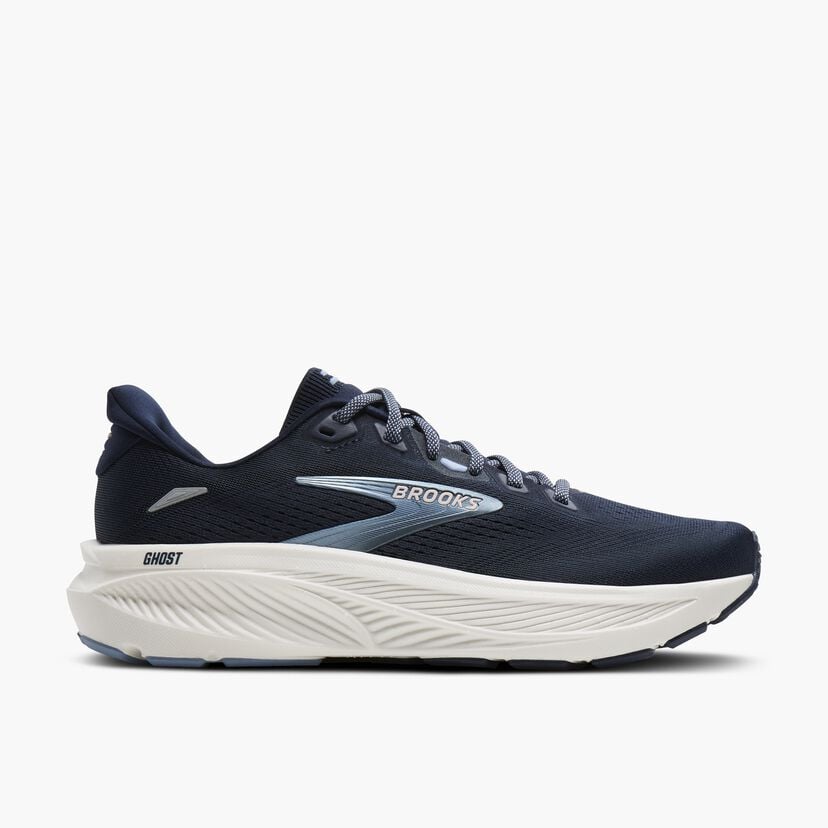
Start with your usual training surface and the activity the shoe is designed for. Road-running shoes, trail models and shoes for lateral court movements differ in construction. [3]
Compare the fit and movement before deciding by support labels or cushioning descriptions. If you use a prescribed insert or are returning after an injury, discuss footwear changes with the professional managing your care.
Keep the exact model and version in your notes. A familiar brand name does not guarantee that a different model will fit the same way.
See Brooks Ghost 18 options on Amazon →Boots and work footwear
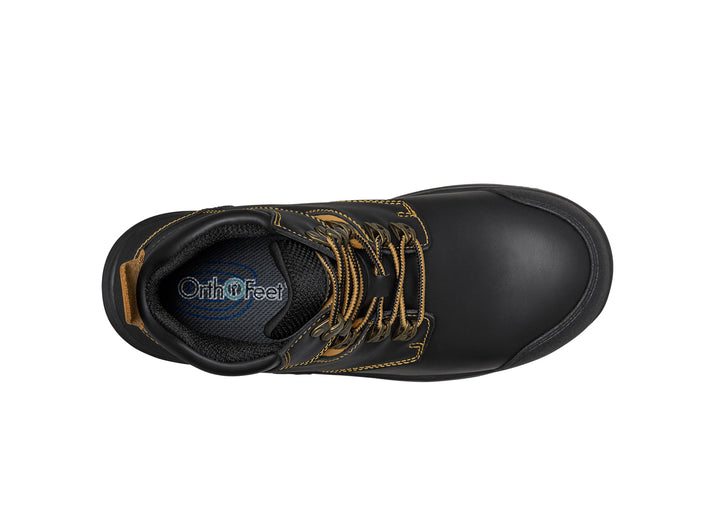
Start with the footwear requirements for your work. Protective features depend on the hazards involved; check the exact model and required markings with your employer or safety lead. [5]
- Protection: confirm requirements for the job and surface.
- Fit: assess toe clearance, instep room and heel hold with work socks.
- Practical use: compare weight, fastening, cleaning and drying needs.
A boot that is too tight should not depend on painful wear to stretch into shape. CCOHS advises choosing work footwear that fits when purchased. [6]
See Orthofeet Granite options on Amazon →For tall shafts, check the wide-calf boot measuring guide. If the foot section or toe box is wrong, a shaft adjustment does not resolve that mismatch.
Dress and casual shoes

Consider how much walking and standing the occasion involves. Compare toe shape, secure fastening, the outsole and how the shoes feel with the socks you plan to wear.
For slip-on and casual styles, check that your foot stays in place without gripping with the toes. For laced dress shoes, assess the fit across the instep and the heel during a short walk.
Read the size chart for the exact model and confirm return terms. Online photos help identify the style, while the fit check decides whether that shape suits your foot.
See Clarks Tilden Cap options on Amazon →Considering alterations? Check the exchange option and the manufacturer’s instructions first. The Hey Dude stretching guide is a related read; do not rely on stretching to correct a fundamentally wrong size.
Insoles: check the room inside the shoe

A replacement insert changes the space and feel inside a shoe. Check whether the factory liner is removable, then follow the insert’s instructions for sizing and placement.
- Compare the insert’s thickness, heel shape and arch shape.
- Recheck toe room and pressure across the instep after fitting.
- Read trimming instructions and return terms before modifying anything.
Ask your clinician or orthotist before changing a prescribed device or trying to accommodate it by forcing a shoe to fit.
See PowerStep options on Amazon →Cleaning, drying and replacement
Identify the upper, lining and outsole materials before choosing a cleaner. Follow the manufacturer’s instructions for the actual shoe; leather, suede, textile uppers and bonded components can need different care. Clarks’ care guidance emphasizes using products suited to the material. [8]
- Begin with inspection. Look at the outsole, seams, fastening and lining before cleaning.
- Choose a compatible method. Check the shoe’s care instructions and the cleaner label, including any spot-test directions.
- Plan drying time. Follow the drying instructions. Avoid assuming that a washing machine, dryer or direct heat is suitable.
- Assess the result. Cleaning cannot restore a damaged fastening, separated sole or collapsed structure. Ask a repair professional about repairable damage.
Reassess shoes when the fit changes, the upper is damaged, the tread is worn or the underfoot feel has deteriorated. CCOHS notes that footwear needing repair can contribute to foot discomfort. [6] Check model-specific guidance for athletic and protective footwear.
Before you order online
Compare the complete purchase, including the possibility that the first size will need to go back.
- Exact model: match the model name, version, size and width. Similar-looking listings may describe different items.
- Seller: check the seller’s identity, delivery information and warranty terms.
- Total cost: include shipping, tax and any return postage or restocking charge.
- Try-on rules: check requirements for packaging, indoor testing and the condition of returned footwear.
- Measurements: use the current size chart, while remembering that measurements and labeled size do not replace an actual fit check.
Keep a brief note of your fit experience: size, width, sock thickness, insert, heel movement and any pressure point. That makes the next comparison more useful than ordering a different size at random.
Common shoe-buying questions
Should I buy a longer shoe when the width feels tight?
Compare the width and shape first. Extra length can leave unwanted room while the original mismatch remains. Try another width or model and repeat the complete fit check. [1]
Should new shoes hurt during break-in?
FootCareMD advises choosing shoes that fit when you buy them. Do not plan on a too-tight pair stretching into a suitable fit. Reassess the size or shape when there is rubbing, pressure or pain. [2]
How often should I replace my shoes?
Follow model-specific guidance and consider use, materials and wear. Check the tread, upper, closure, fit and underfoot feel. Protective footwear also needs to meet the condition requirements of your workplace.
Are more expensive shoes automatically a better choice?
Compare the fit, intended activity, construction and purchase terms. A high price does not tell you whether the size, width or shape matches your foot.
Can I use the same shoes for every activity?
Will a supportive shoe cure plantar fasciitis?
Footwear can be one part of conservative care, alongside other measures chosen for the condition. Persistent heel pain deserves assessment and an individual plan. [4]
Sources and editorial notes
This hub combines practical comparison questions with professional patient-education and workplace footwear resources. Product images identify examples; they do not imply hands-on testing, a ranked recommendation or medical endorsement.
- AAOS: Shoes — finding the right fit — sizing, toe clearance and width.
- AOFAS FootCareMD: Proper shoe fit — shape, depth and trying shoes.
- AAOS: Athletic shoes — matching footwear to activity.
- AAOS: Plantar fasciitis and bone spurs — care beyond a shoe purchase.
- OSHA: Foot protection — workplace protective-footwear requirements.
- CCOHS: Foot comfort and safety at work — fit, condition and work footwear.
- NIDDK: Diabetes and foot problems — sensation, circulation and footwear precautions.
- Clarks: Cleaning and protecting shoes — matching care products to materials.
- MedlinePlus: Foot pain — reasons to seek medical advice.
Manufacturer information for the products pictured
Medical disclaimer: FeetHealth.org provides general educational information and product comparisons. Seek qualified advice for individual symptoms, wounds, circulation, sensation or prescribed footwear needs. Seek emergency medical help for an emergency.