

Foot posture plays a crucial role in our overall well-being, impacting not only our feet but our entire body’s alignment and function. Maintaining proper foot posture is essential for preventing a range of issues, from foot pain and discomfort to more serious musculoskeletal problems. Thankfully, with the right knowledge and practice, you can take steps to correct foot posture and promote better health and mobility.
This comprehensive guide aims to explore the significance of proper foot posture and provide you with practical insights into how to address and correct any issues you may be experiencing. We’ll delve into the various factors that influence foot posture, common problems that can arise from poor alignment, and a range of exercises and methods to help you on your journey to healthier feet.
Also Read: How to Measure for Wide Calf Boots
Understanding the fundamentals of foot posture involves examining the arches of the feet, pronation and supination, and the role of footwear. We’ll also discuss the connection between foot posture and conditions like plantar fasciitis, shin splints, and back pain, as well as how correcting foot posture can contribute to their prevention and management.
From stretching and strengthening exercises to recommendations for suitable footwear and orthotic inserts, this guide will equip you with the tools to take control of your foot health. We’ll explore techniques to relieve discomfort and enhance foot strength and flexibility, ensuring your feet are well-prepared to support your body and activities.
By the end of this guide, you’ll have a deeper understanding of the importance of proper foot posture and a practical roadmap to follow in your journey toward improved foot health. Whether you’re an athlete looking to prevent injuries or an individual seeking relief from chronic foot pain, this comprehensive resource will empower you to make informed choices and take action to correct your foot posture for a healthier, more active life.

Consult a Healthcare Professional Foot Posture
Consulting a healthcare professional is a crucial step if you’re experiencing persistent foot pain or have concerns about your foot posture. Healthcare professionals, such as podiatrists and orthopedic specialists, are trained to diagnose and treat a wide range of foot-related issues, including problems related to posture, gait, and alignment. Here’s how to go about consulting a healthcare professional for your foot posture concerns:
Steps to Consult a Healthcare Professional:
Identify Your Symptoms: Before scheduling an appointment, take note of any specific symptoms or discomfort you’re experiencing. This information will help the healthcare professional assess your condition more effectively.
Search for a Specialized Professional: Look for a reputable healthcare professional with expertise in foot-related issues. Podiatrists are specialized in diagnosing and treating foot problems, while orthopedic specialists have a broader scope of musculoskeletal knowledge.
Seek Recommendations: Ask for recommendations from your primary care physician or friends and family who may have consulted foot specialists in the past. Word-of-mouth referrals can lead you to trusted professionals.
Schedule an Appointment: Contact the chosen healthcare professional’s office to schedule an appointment. Be sure to inquire about their availability and any specific information they may need from you.
Prepare for the Appointment: Before your appointment, gather information about your medical history, including any prior foot injuries or surgeries. Also, bring your current footwear and any orthotic inserts you may be using.
Describe Your Concerns: During the appointment, discuss your foot posture concerns and any symptoms you’re experiencing. Provide a detailed history of your foot health to help the professional better understand your condition.
Undergo a Thorough Examination: The healthcare professional will conduct a comprehensive examination of your feet and may use diagnostic tools, such as X-rays or gait analysis, to assess your posture and alignment.
Receive a Diagnosis and Treatment Plan: Based on their findings, the healthcare professional will provide you with a diagnosis and recommend a suitable treatment plan. This may include exercises, physical therapy, orthotic inserts, or other interventions.
Ask Questions: Don’t hesitate to ask questions and seek clarification on your diagnosis and treatment options. Your healthcare professional should be willing to provide you with the information you need to make informed decisions about your foot health.
Follow the Treatment Plan: Once you receive a treatment plan, follow the recommendations closely. If necessary, schedule follow-up appointments to track your progress and make any necessary adjustments.
Consulting a healthcare professional is a valuable step in addressing and correcting foot posture issues, as it ensures that you receive expert guidance and personalized care tailored to your specific needs.
Your foot health is an essential component of your overall well-being, and with the help of a skilled professional, you can work toward a healthier and more comfortable lifestyle.
Choose the Right Footwear
Selecting the right footwear is a crucial factor in correcting and maintaining proper foot posture. The shoes you wear can significantly impact your foot alignment and overall comfort. Here are steps to help you choose the right footwear to support your foot posture:
Steps to Choose the Right Footwear:
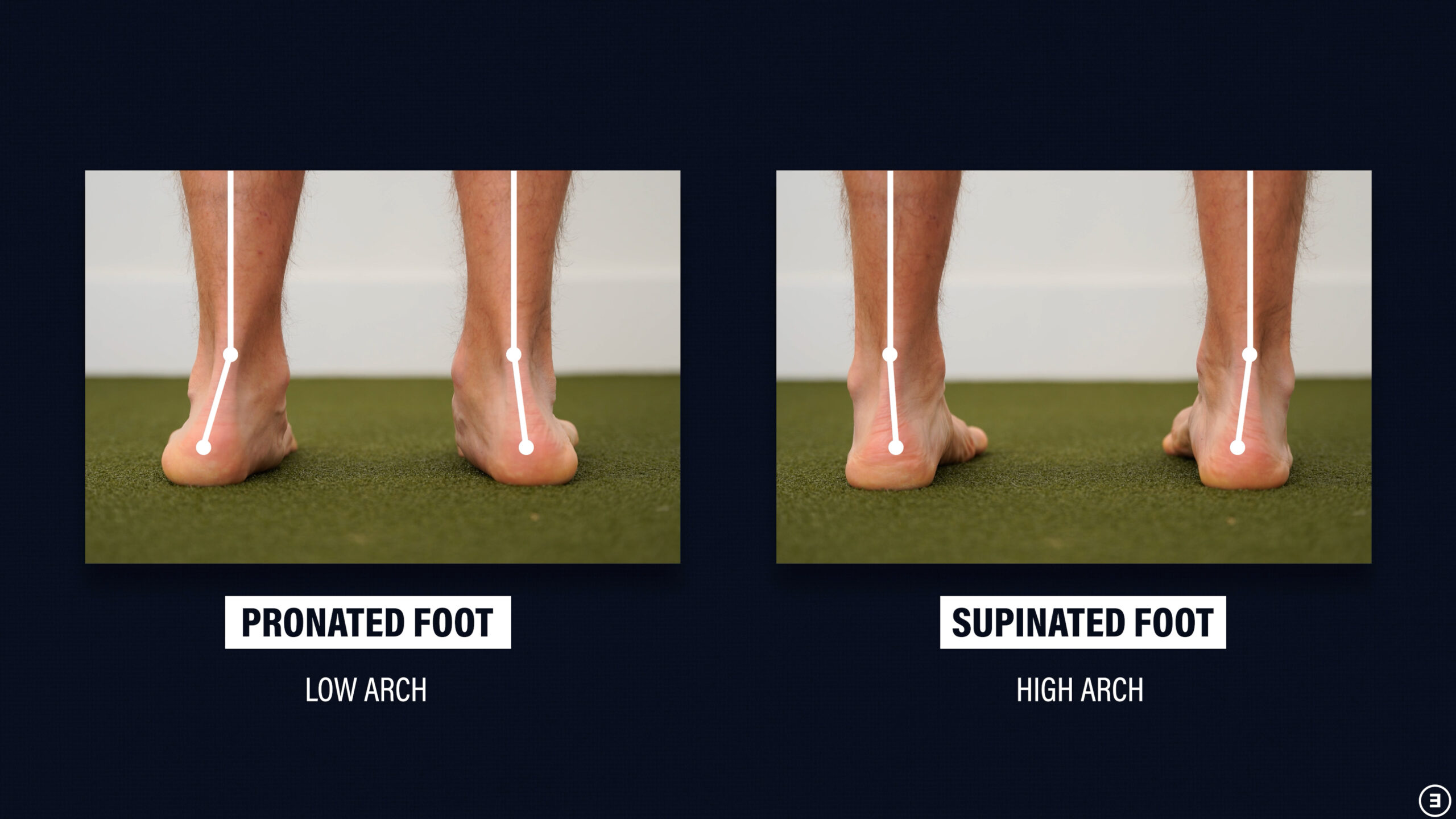
Know Your Foot Type: Understand your foot type, including your arch height and whether you have pronation (inward rolling) or supination (outward rolling) issues. You can determine this by consulting a healthcare professional or performing a simple wet footprint test.
Consider Your Activities: Different activities require specific types of footwear. Athletic shoes, dress shoes, work boots, and sandals all serve different purposes. Consider the activities you’ll be engaged in and choose footwear that suits those activities.
Look for Arch Support: If you have flat feet or low arches, seek shoes with adequate arch support. Conversely, if you have high arches, opt for shoes with cushioning in the arch area to prevent excessive stress on your feet.
Check for Proper Fit: Ensure that the shoes you choose fit well. They should have ample room in the toe box, allowing your toes to move naturally, and a snug but not too tight fit in the heel. Make sure the shoe’s width corresponds to your foot’s width.
Consider Cushioning and Padding: Look for shoes with adequate cushioning and padding, especially in the heel and forefoot areas. This can help reduce shock absorption and provide comfort during prolonged periods of standing or walking.
Evaluate the Sole: The sole of the shoe plays a vital role in maintaining foot posture. Look for a sole that provides both stability and flexibility, allowing your foot to move naturally while providing support.
Test the Shoe’s Flexibility: The shoe should flex at the ball of the foot, corresponding to the natural movement of your feet while walking. Shoes that are excessively rigid or overly flexible can lead to posture issues.
Consider Orthotic Inserts: If necessary, invest in custom or over-the-counter orthotic inserts that can enhance the support and alignment of your feet. These can be placed inside your chosen footwear to provide additional comfort and posture correction.
Rotate Your Footwear: Avoid wearing the same pair of shoes every day. Rotate your footwear to reduce the repetitive stress on specific areas of your feet and promote better foot posture.
Consult a Specialist: If you have specific foot conditions or concerns about your foot posture, consult a podiatrist or orthopedic specialist for personalized recommendations on footwear that suits your needs.
Choosing the right footwear is an essential step in maintaining proper foot posture and preventing discomfort and issues related to your feet and musculoskeletal system. By following these steps and being mindful of your specific foot type and activities, you can ensure that your shoes provide the necessary support and comfort for your unique needs.
Also Read: How to Measure Feet for Ski Boots
Strengthen Foot Muscles
Strengthening your foot muscles is a fundamental step in achieving and maintaining proper foot posture. Strong foot muscles provide better support and stability, help with balance, and can prevent common issues like plantar fasciitis and overpronation. Here’s how to strengthen your foot muscles:
Steps to Strengthen Foot Muscles:
Toe Lifts:
- Sit in a chair with your feet flat on the floor.
- Lift your toes off the ground while keeping your heels on the floor.
- Hold for a few seconds, then lower your toes.
- Repeat this exercise for several sets.
Toe Spreading:
- Sit or stand with your feet flat on the ground.
- Spread your toes as wide as you can and hold for a few seconds.
- Relax your toes and repeat the process several times.
- You can also place a small object, like marbles, on the floor and pick them up with your toes.
Toe Tapping:
- Sit with your feet flat on the floor.
- Tap your toes rapidly for 20-30 seconds.
- Rest for a moment and repeat the tapping exercise for a few sets.
Marble Pickup:
- Place a few marbles or small objects on the ground.
- Sit in a chair and use your toes to pick up the marbles one by one and place them in a container.
- This exercise enhances dexterity and strengthens the small muscles of your feet.
Towel Scrunches:
- Place a small towel flat on the floor.
- Sit in a chair with your feet on the towel.
- Use your toes to scrunch the towel toward you.
- Straighten the towel and repeat the scrunching motion for several sets.
Calf Raises:
- Stand with your feet hip-width apart.
- Lift your heels off the ground by pushing through the balls of your feet.
- Hold for a moment, then lower your heels.
- Perform calf raises for multiple sets.
Ankle Alphabet:
- Sit on a chair and lift one foot slightly off the ground.
- Pretend your big toe is a pencil and write the alphabet in the air.
- This exercise improves ankle stability and strengthens the muscles in your feet.
Balance Exercises:
- Stand on one foot for as long as you can while maintaining your balance.
- You can make this exercise more challenging by closing your eyes or standing on an unstable surface like a foam pad.
Resistance Band Exercises:
- Use a resistance band to perform exercises that target foot and ankle muscles.
- Pull your toes in various directions against the resistance for added strength.
Barefoot Walking: Spend some time walking barefoot on different surfaces, such as grass or sand. This can help activate the muscles in your feet and improve your overall foot posture.
Regularly incorporating these foot-strengthening exercises into your routine can help improve your foot posture, stability, and overall foot health. Strong foot muscles provide the foundation for better alignment and can reduce the risk of common foot problems.
Stretching
Stretching plays a pivotal role in correcting and maintaining proper foot posture. It helps increase flexibility, reduce tension in the muscles and tendons, and promote overall foot health. Here are some effective stretching exercises for your feet:
Steps for Foot Stretching:
Toe Stretch:
- Sit comfortably in a chair with your feet flat on the floor.
- Lift one leg and rest your ankle on your opposite knee.
- Gently pull your toes back toward your shin.
- Hold for 15-30 seconds, then release.
- Repeat the stretch with the other foot.
Toe Flex:
- Sit in a chair with your feet flat on the floor.
- Lift one leg and rest your ankle on your opposite knee.
- Gently point your toes downward.
- Hold for 15-30 seconds, then release.
- Repeat the stretch with the other foot.
Toe Curls:
- Sit in a chair and place a small towel on the floor in front of you.
- Place your feet on the towel.
- Curl your toes to grip the towel and pull it toward you.
- Release and repeat this exercise for several sets.
Plantar Fascia Stretch:
- Sit in a chair and extend one leg.
- Using your hand, pull your toes back toward your shin.
- You should feel a stretch along the arch of your foot.
- Hold for 15-30 seconds, then switch to the other foot.
Calf Stretch:
- Stand facing a wall with your hands against it.
- Step one foot back and bend the front knee.
- Keep the back leg straight and the heel on the ground.
- You should feel a stretch in your calf muscle.
- Hold for 15-30 seconds, then switch to the other leg.
Ankle Circles:
- Sit in a chair with your feet flat on the floor.
- Lift one leg and rotate your ankle in a circular motion.
- Do this for 10-15 seconds in one direction and then reverse.
Heel Cord Stretch:
- Stand facing a wall with your hands against it.
- Take one step back with one foot and keep it straight.
- Bend the front knee and lean toward the wall.
- You should feel a stretch in the calf and Achilles tendon.
- Hold for 15-30 seconds and switch to the other foot.
Marble Roll:
- Place a few marbles on the ground and sit in a chair.
- Use your toes to pick up marbles one by one and place them in a bowl.
- This exercise helps with stretching and dexterity.
Yoga Stretches: Various yoga poses, like the Downward Dog and Child’s Pose, can also stretch the muscles in your feet and improve flexibility.
Tennis Ball Massage: Roll a tennis ball under your foot to massage and stretch the muscles. This can provide relief and enhance flexibility.
Regularly incorporating these stretching exercises into your routine can improve the flexibility and overall health of your feet, contributing to better foot posture and comfort. Stretching helps alleviate tension and maintains proper alignment, reducing the risk of foot-related issues
Maintain a Healthy Weight
Maintaining a healthy weight is crucial for supporting proper foot posture and overall musculoskeletal health. Excess weight places additional stress on your feet and can contribute to various foot-related issues, such as flat feet, plantar fasciitis, and overpronation. Here’s how to maintain a healthy weight to support your foot posture:
Steps to Maintain a Healthy Weight:
Balanced Diet:
- Consume a well-balanced diet rich in fruits, vegetables, lean proteins, and whole grains.
- Monitor portion sizes and avoid overeating.
- Limit the intake of high-calorie, low-nutrient foods like sugary snacks and fast food.
Regular Exercise:
- Engage in regular physical activity, such as walking, jogging, swimming, or cycling.
- Aim for at least 150 minutes of moderate-intensity aerobic exercise or 75 minutes of vigorous-intensity exercise each week.
- Include strength training exercises to build lean muscle mass, which can help boost metabolism.
Hydration:
- Drink plenty of water throughout the day to stay properly hydrated.
- Sometimes, thirst can be mistaken for hunger, so staying hydrated can help control unnecessary snacking.
Limit Sugary Drinks:
- Avoid or reduce consumption of sugary beverages like sodas, energy drinks, and excessive fruit juices.
- Opt for water, herbal tea, or unsweetened beverages.
Reduce Processed Foods:
- Processed foods often contain added sugars, unhealthy fats, and excess salt.
- Limit your consumption of processed foods and opt for whole, unprocessed options.
Mindful Eating:
- Pay attention to your eating habits, and eat mindfully by savoring your meals and listening to your body’s hunger cues.
- Avoid distracted eating in front of screens, which can lead to overconsumption.
Healthy Snacking:
- Choose healthy snacks like fresh fruits, vegetables, and nuts.
- Snacking can help control hunger between meals and prevent overeating.
Sleep:
- Ensure you get sufficient, quality sleep. Lack of sleep can disrupt your body’s hunger hormones and lead to weight gain.
Stress Management:
- Practice stress-reduction techniques like meditation, yoga, or deep breathing exercises.
- High stress levels can lead to emotional eating and weight gain.
Accountability:
- Consider keeping a food journal to track your eating habits and identify areas for improvement.
- Share your goals with a friend or family member for added accountability and support.
Consult a Healthcare Professional:
- If you’re struggling with weight management, consider consulting a registered dietitian or nutritionist. They can provide personalized guidance and support.
Maintaining a healthy weight is not only beneficial for your foot posture but also for your overall health. By following these steps and making lifestyle changes, you can reduce the stress on your feet, promote proper alignment, and lower the risk of foot-related issues, allowing you to enjoy an active and pain-free lifestyle.
Avoid Wearing High Heels
High heels are a common cause of poor foot posture and various foot-related problems. If you want to maintain proper foot alignment and posture, it’s essential to limit your use of high heels and choose footwear that offers better support and comfort. Here’s how to avoid wearing high heels to support your foot posture:
Steps to Avoid Wearing High Heels:
Opt for Lower Heel Heights:
- Choose shoes with lower heel heights, ideally under two inches. Lower heels place less stress on your feet and promote better alignment.
Reserve High Heels for Special Occasions:
- While it’s best to limit high-heel use, you can reserve them for occasional events rather than daily wear.
Invest in Supportive Flats:
- Look for flat shoes that provide adequate arch support and cushioning.
- Supportive flats can offer comfort and style without the drawbacks of high heels.
Prioritize Comfort:
- When shopping for shoes, prioritize comfort over style. Your footwear should offer ample room for your toes, proper arch support, and cushioning in the sole.
Consider Orthotic Inserts:
- If you have a favorite pair of shoes with minimal arch support, you can add orthotic inserts for enhanced comfort and posture support.
Rotate Your Footwear:
- Avoid wearing the same pair of shoes every day. Rotate between different shoes to reduce repetitive stress on your feet.
Choose Wedges Over Stilettos:
- If you prefer some elevation, opt for wedges rather than stiletto heels. Wedges distribute your weight more evenly and are generally more comfortable.
Stretch Your Calf Muscles:
- High heels can lead to tight calf muscles. Perform calf stretches to maintain flexibility and prevent discomfort.
Practice Ankle Strengthening Exercises:
- Strengthen your ankle and calf muscles to improve stability when wearing any heeled footwear.
Listen to Your Body:
- Pay attention to your feet and body. If you experience pain, discomfort, or changes in your posture while wearing high heels, it’s time to reconsider your shoe choice.
Seek Professional Advice:
- Consult a podiatrist or healthcare professional if you have specific concerns or foot problems related to high-heel use. They can offer guidance and treatment options.
Know When to Let Go:
- If you have high heels that are causing discomfort or pain, consider retiring them and investing in supportive, comfortable footwear.
By avoiding high heels or using them sparingly and following these steps, you can maintain proper foot posture, reduce the risk of foot-related issues, and ensure your feet remain healthy and comfortable. Prioritizing supportive and comfortable footwear is an investment in your overall foot health and well-being.
Orthotics
Orthotic inserts, often simply referred to as “orthotics,” are custom-made or over-the-counter devices designed to support and improve foot posture, alignment, and comfort. They can be a valuable tool in addressing various foot-related issues and promoting proper foot posture. Here’s how orthotics can support your foot health:
Benefits of Orthotics:
Customized Support: Custom-made orthotics are designed specifically for your feet, taking into account your unique foot structure, arch type, and any existing posture issues. They provide tailored support and comfort.
Arch Support: Orthotics can help maintain or correct the arches of your feet, which is essential for proper foot posture. They can address issues like flat feet or high arches.
Pressure Redistribution: Orthotic inserts can distribute pressure more evenly across your feet, reducing stress on specific areas and alleviating discomfort.
Improved Gait: Orthotics can help correct gait abnormalities, such as overpronation (excessive inward rolling of the foot) or supination (insufficient inward rolling). This leads to better foot posture and alignment.
Pain Relief: Orthotics can relieve pain associated with common foot problems like plantar fasciitis, bunions, and neuromas. They can also help reduce pain in other areas of the body, such as the knees, hips, and lower back.
Enhanced Foot Comfort: Orthotic inserts provide cushioning and shock absorption, making your shoes more comfortable to wear, especially for extended periods.
Injury Prevention: By promoting proper foot posture and alignment, orthotics can help prevent injuries and reduce the risk of strain during physical activities or sports.
Footwear Versatility: Orthotic inserts can often be used with a variety of shoe styles, allowing you to maintain proper foot posture and comfort while wearing different types of footwear.
Types of Orthotics:
Custom Orthotics: These are specifically designed and crafted to match your foot’s unique shape and requirements. Custom orthotics are typically prescribed by a podiatrist or healthcare professional.
Over-the-Counter Orthotics: These are prefabricated inserts available without a prescription. While not as personalized as custom orthotics, they can offer valuable support and comfort.
How to Use Orthotics:
Consult a Healthcare Professional: If you have foot pain or posture issues, consult a podiatrist or orthopedic specialist. They can assess your condition and recommend the appropriate type of orthotic inserts.
Get Proper Measurements: If custom orthotics are prescribed, a healthcare professional will take measurements and possibly conduct a gait analysis to ensure the inserts are tailored to your needs.
Follow Usage Instructions: Whether using custom or over-the-counter orthotics, it’s essential to follow the instructions provided by your healthcare professional or the product manufacturer. This includes proper insertion and maintenance.
Orthotics can play a significant role in supporting and maintaining proper foot posture, enhancing overall comfort, and preventing or addressing various foot-related issues. Whether you choose custom or over-the-counter orthotics, they can be a valuable tool in your journey toward healthier feet and better musculoskeletal alignment.
Gradual Transition
When it comes to correcting and maintaining proper foot posture, a gradual transition is essential, especially if you’re making significant changes to your footwear or foot care routine. Here’s how to approach a gradual transition:
Steps for a Gradual Transition:
Assess Your Current Situation:
Evaluate your current footwear, foot health, and any issues related to foot posture. Consider any discomfort, pain, or alignment problems you may be experiencing.
Consult a Healthcare Professional:
If you have specific concerns or foot-related issues, it’s advisable to consult a podiatrist or orthopedic specialist. They can provide personalized recommendations and a treatment plan.
Set Realistic Goals:
Establish clear, achievable goals for improving your foot posture and overall foot health. These goals can include reducing pain, enhancing alignment, or preventing future issues.
Footwear Transition:
If you’re making changes to your footwear, start by gradually incorporating new, supportive shoes into your daily routine. For example, if you’ve been wearing high heels daily, begin by wearing them less often and choosing comfortable, supportive shoes on alternate days.
Orthotic Transition:
If you’re using orthotic inserts, start by wearing them for short periods and gradually increase the duration. This allows your feet to adjust to the added support.
Stretching and Exercise Routine:
If you’re introducing stretching and exercise to improve your foot posture, begin with gentle, low-impact routines. Gradually increase the intensity and duration as your strength and flexibility improve.
Listen to Your Body:
Pay attention to your body’s response to changes. If you experience discomfort or pain during the transition, it may be a sign that you’re progressing too quickly. Scale back and give your body time to adapt.
Consistency:
Stay consistent with your foot care routine. Consistency is key in achieving and maintaining proper foot posture.
Regular Check-Ins:
Schedule regular check-ins with your healthcare professional to assess your progress and make any necessary adjustments to your treatment plan.
Patience:
Understand that correcting foot posture and addressing related issues is a gradual process. It may take time to see significant improvements, so be patient with yourself.
Lifestyle Adjustments:
Consider making lifestyle changes that support your foot health. This may include maintaining a healthy weight, staying hydrated, and managing stress.
Footwear Rotation:
If you have multiple pairs of shoes, rotate them to reduce repetitive stress on specific areas of your feet.
A gradual transition is essential to allow your body to adapt to changes and to minimize the risk of discomfort or injury during the process. By following these steps and giving your feet the time and support they need, you can work toward better foot posture and overall foot health in a safe and sustainable manner.
Monitor Your Posture
Monitoring your posture is a crucial part of maintaining proper foot posture and overall musculoskeletal health. Good posture starts with the feet and extends to the rest of the body. By regularly assessing and making necessary adjustments to your posture, you can prevent or correct issues related to your feet and alignment. Here’s how to monitor your posture effectively:
Steps to Monitor Your Posture:
Body Alignment Check:
Stand in front of a full-length mirror and observe your overall body alignment.
Ensure your head is level, and your ears, shoulders, hips, and knees are in a straight line. Your feet should be parallel and about hip-width apart.
Foot Posture Assessment:
Examine your feet to ensure they are pointing forward and not turned outward or inward.
Check the arches of your feet to see if they are properly supported and maintain their natural shape.
Gait Analysis:
Observe your gait (how you walk). Pay attention to any signs of overpronation (rolling inward) or supination (rolling outward) as you take steps.
Check for any unusual gait patterns or discomfort during walking.
Foot Pressure Points:
While standing, assess the distribution of pressure on the soles of your feet.
Are you putting too much weight on the balls of your feet or the heels?
Ensure even pressure across the entire foot.
Front and Side Views:
Look at your posture from the front and side views.
Ensure your chest is open, shoulders are back and relaxed, and your spine maintains its natural curves.
Avoid overarching or rounding your lower back.
Pelvic Tilt:
Check if your pelvis is level. An excessive forward or backward pelvic tilt can affect your posture.
Head Position:
Ensure your head is aligned with your spine and not jutting forward.
The top of your computer screen should be at eye level to maintain good head posture while working.
Regular Self-Checks:
Make it a habit to perform these posture checks regularly, especially during activities like sitting at a desk, walking, or standing for extended periods.
Engage Core Muscles:
To support good posture, engage your core muscles gently. This can help stabilize your spine and prevent slouching.
Listen to Your Body:
Pay attention to any discomfort, fatigue, or pain. These may be signs that your posture needs improvement or that specific muscles require strengthening.
Seek Professional Assessment:
If you have persistent posture issues or discomfort, consult a healthcare professional or physical therapist for a comprehensive assessment and guidance on corrective exercises.
Postural Exercises:
Incorporate posture-improving exercises and stretches into your daily routine. These can help strengthen supporting muscles and promote better alignment.
By regularly monitoring your posture and taking steps to correct any issues, you can maintain proper foot posture and reduce the risk of discomfort or musculoskeletal problems. Good posture is essential for overall health, as it helps your body function optimally and reduces the risk of injury or strain.
Professional Help
Sometimes, professional help is essential when it comes to correcting and maintaining proper foot posture, especially if you’re dealing with chronic pain, severe alignment issues, or underlying medical conditions. Here’s how to seek professional help to support your foot posture:
Steps to Seek Professional Help:
- Consult a Podiatrist: A podiatrist is a medical specialist who focuses on the diagnosis and treatment of foot and ankle problems. If you have specific concerns related to your feet or posture, schedule an appointment with a podiatrist.
- Orthopedic Specialist: An orthopedic specialist or orthopedic surgeon can address musculoskeletal issues, including those related to the feet and lower limbs. If you require surgery or advanced treatment, an orthopedic specialist may be necessary.
- Physical Therapist: A physical therapist can provide personalized exercises and treatments to improve your foot posture and overall musculoskeletal health. They can work with you to address pain, mobility issues, and strength imbalances.
- Custom Orthotics: If custom orthotic inserts are recommended, consult a healthcare professional who can assess your needs and design orthotics tailored to your feet.
- Gait Analysis: Gait analysis can be performed by a podiatrist or physical therapist to evaluate how you walk and identify issues related to your foot posture and alignment.
- Medical Imaging: In some cases, medical imaging such as X-rays or MRIs may be necessary to diagnose and assess foot-related issues. These tests can provide valuable information for healthcare professionals.
- Pain Management Specialist: If you’re dealing with chronic pain related to your foot posture, consider consulting a pain management specialist who can provide advanced pain relief strategies.
- Follow Treatment Recommendations: After seeking professional help, make sure to follow the treatment recommendations and advice provided by your healthcare specialist. This may include physical therapy, exercises, custom orthotics, or other interventions.
- Regular Follow-Ups: Continue with regular follow-up appointments to monitor your progress and make any necessary adjustments to your treatment plan.
- Lifestyle Adjustments: Be open to making lifestyle changes that support your foot health. This may include maintaining a healthy weight, staying hydrated, and managing stress.
- Second Opinions: If you’re unsure about the diagnosis or treatment plan, don’t hesitate to seek a second opinion from another healthcare professional. It’s essential to be confident in your treatment plan.
Remember that healthcare professionals have the knowledge and expertise to assess and address a wide range of foot-related issues, from common discomfort to complex conditions.
Seeking professional help is a proactive step towards maintaining proper foot posture and overall musculoskeletal health, and it can significantly improve your quality of life and mobility.
Conclusion
In conclusion, correcting foot posture is a vital aspect of maintaining overall musculoskeletal health and preventing a variety of foot-related issues. Proper foot posture not only enhances comfort but also contributes to better alignment throughout your body, reducing the risk of pain and discomfort in your feet, knees, hips, and lower back.
To correct foot posture effectively, follow these key steps:
Choose Supportive Footwear: Invest in shoes that offer proper arch support, cushioning, and a comfortable fit. The right footwear is the foundation of good foot posture.
Use Orthotic Inserts: Consider custom or over-the-counter orthotic inserts to enhance support and alignment. These can be particularly helpful if you have specific foot concerns.
Strengthen Foot Muscles: Regularly perform foot-strengthening exercises to build strength, stability, and flexibility in your feet and ankles.
Stretch Your Muscles: Incorporate stretching exercises to maintain flexibility, alleviate tension, and prevent muscle imbalances.
Maintain a Healthy Weight: Maintain a healthy weight to reduce the stress on your feet and lower extremities, promoting better alignment.
Avoid High Heels: Limit the use of high heels and opt for supportive footwear with lower heel heights for everyday wear.
Monitor Your Posture: Regularly assess your body alignment, gait, and overall posture to identify and correct any issues.
Seek Professional Help: Consult healthcare professionals, such as podiatrists, physical therapists, and orthopedic specialists, for personalized guidance and treatment options.
By incorporating these strategies into your daily routine and making gradual adjustments, you can achieve and maintain proper foot posture. Remember that every individual is unique, so what works best for you may vary.
Consistency and a proactive approach are key to enjoying healthy, pain-free feet and a more aligned, comfortable musculoskeletal system. Your foot health is an essential component of your overall well-being, so prioritize it for a healthier and more active life.
FAQs
1. What is foot posture, and why is it important?
- Foot posture refers to the alignment and positioning of the feet. It’s crucial because proper foot posture is the foundation for healthy musculoskeletal alignment and can prevent various foot-related problems.
2. How can I tell if I have poor foot posture?
- Signs of poor foot posture may include flat feet, arch collapse, overpronation, supination, and discomfort when standing or walking.
3. Can wearing the right shoes help correct foot posture?
- Yes, supportive footwear with proper arch support and cushioning can improve foot posture by providing better alignment and reducing strain on your feet.
4. Are orthotic inserts necessary to correct foot posture?
- Orthotic inserts can be beneficial, especially for individuals with specific foot issues. They offer customized support and help maintain proper alignment.
5. What exercises can help strengthen my foot muscles and improve posture?
- Exercises like toe scrunches, toe taps, arch lifts, and calf stretches can strengthen foot muscles and improve posture.
6. How often should I perform foot-strengthening exercises?
- It’s a good practice to perform foot-strengthening exercises several times a week, gradually increasing intensity as your strength improves.
7. Is it possible to correct foot posture with stretching exercises?
- Yes, stretching exercises can alleviate muscle tension and improve flexibility, contributing to better foot posture.
8. Can excess body weight affect foot posture?
- Yes, carrying excess weight can place additional stress on the feet, potentially leading to posture issues. Maintaining a healthy weight is essential.
9. Do high heels impact foot posture?
- Yes, high heels can contribute to poor foot posture. It’s advisable to limit their use and opt for more supportive footwear.
10. When should I seek professional help to correct my foot posture?
- Consider consulting a healthcare professional, such as a podiatrist or physical therapist, if you experience chronic foot pain, severe alignment issues, or persistent discomfort despite your efforts to correct foot posture. They can provide personalized guidance and treatment options.