

Foot surgery is a significant medical procedure that can be both relieving and challenging. While the surgery aims to alleviate pain and correct foot problems, it often comes with a period of restricted mobility during the recovery process.
The ability to get around after foot surgery is a vital aspect of post-operative care that can significantly impact your overall well-being and quality of life. In this comprehensive guide, we will explore the various aspects of moving and maintaining your independence while recovering from foot surgery.
Related: How Much Does Platos Closet Pay for Shoes
Whether you’re facing surgery due to an injury, arthritis, or a foot deformity, or you’re helping a loved one through the process, we are here to provide valuable insights, practical advice, and essential tips to make the journey to recovery smoother.
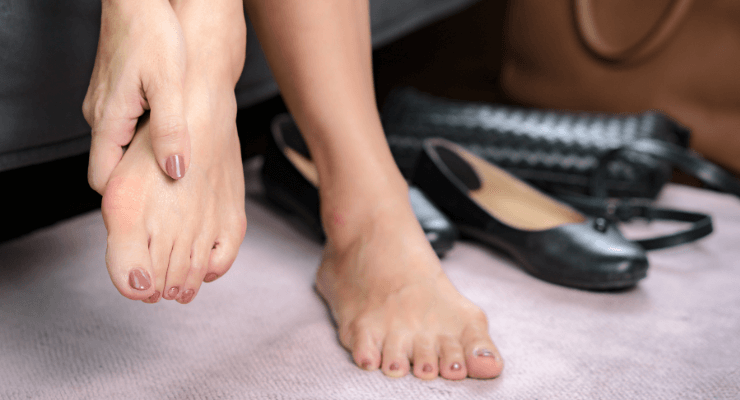
The period following foot surgery can be a challenging time, as you adapt to temporary limitations on your mobility. However, it’s essential to recognize that this phase is temporary and part of the healing process.
With the right strategies, equipment, and support, you can maintain your independence and regain your mobility more comfortably. In this guide, we will address crucial aspects of navigating life after foot surgery:
- Preparing for Recovery: We’ll discuss pre-surgery preparations, including making necessary home modifications and arrangements for assistance.
- Mobility Aids: Explore the various mobility aids available, such as crutches, knee scooters, and wheelchairs, and how to choose the right one for your specific needs.
- Home Safety: Learn how to make your living space safer and more accessible for your recovery period.
- Physical Therapy: Understand the importance of physical therapy in regaining your strength and mobility post-surgery and what exercises can help.
- Emotional and Psychological Support: Acknowledge the emotional and psychological aspects of recovery and discover strategies for staying positive and motivated.
This guide is a valuable resource for those facing or assisting others through foot surgery recovery. It’s designed to empower you with the knowledge and tools needed to navigate the challenges of post-operative mobility and ensure a smoother path to a full and active life once again.
Preparing your home in advance of foot surgery is a crucial step to ensure a comfortable and safe recovery. Creating a supportive environment that accommodates your limited mobility can make the post-operative period much easier. In this section, we’ll explore seven essential ways to get your home ready for your upcoming foot surgery:
1. Clear Pathways:
- Ensure that all pathways and hallways in your home are clear of obstacles, clutter, and tripping hazards. This includes removing loose rugs, cords, and any furniture that might obstruct your movement.
2. Create a Recovery Space:
- Set up a comfortable area in your home where you can rest and recover. This space should include a cozy chair or a recliner with pillows and blankets, as well as a small table to keep essential items within reach.
3. Relocate Necessities:
- Before your surgery, move daily necessities to waist level or within easy reach. This includes toiletries, clothing, and any items you regularly use. This minimizes the need to bend down or reach high shelves.
4. Rearrange Furniture:
- If you’ll be using crutches or a mobility aid, consider rearranging furniture to create wider pathways and ensure you can move around without obstructions.
5. Stock Up on Supplies:
- Before your surgery, stock up on essential supplies. These may include non-slip bath mats, shower chairs, extra pillows, ice packs, and any recommended medical equipment.
6. Install Handrails and Grab Bars:
- If your home doesn’t already have handrails or grab bars in key areas like the bathroom and along staircases, consider installing them to provide additional support and stability.
7. Consider Accessibility Aids:
- Depending on the extent of your mobility restrictions, you might need temporary accessibility aids like a knee scooter, wheelchair, or crutches. Ensure these are ready and accessible before your surgery.
By taking these proactive steps to prepare your home, you can minimize the stress and challenges associated with post-surgery recovery. A well-prepared home environment will allow you to focus on your healing, maintain your independence, and make the recovery process more comfortable and efficient.
Set up a Bed on the Ground Floor
If you’re facing foot surgery, setting up a bed on the ground floor of your home can be a practical and convenient solution. This minimizes the need to navigate stairs and simplifies your mobility during the recovery period. Ensure your bed is comfortable and easily accessible, with necessary items within arm’s reach.

Surround Yourself with the Essentials
Before your foot surgery, gather essential items and place them within easy reach of your bed or recovery space. These essentials may include medications, water, a phone, remote controls, books, and any other items you frequently use. Having everything you need nearby reduces the need to move around during the initial stages of recovery.
Plan How You’ll Work
If you’re working from home or need to stay productive during your recovery, plan your workspace accordingly. Set up a workspace with a comfortable chair and a table for your computer and work materials. Ensure that all the tools you need are accessible, making it easy to focus on tasks without undue stress on your foot.
Clear Pathways Throughout Your Home
Clearing pathways throughout your home is essential to ensure safe and smooth mobility. Remove obstacles, rugs, and clutter that could pose tripping hazards. Make sure you can easily move from your bedroom to the bathroom, kitchen, and other essential areas without obstructions.
Stock Up on Simple Meals
Preparing elaborate meals may not be feasible during your recovery. Stock up on easy-to-prepare or pre-made meals, snacks, and groceries in advance. This ensures you have access to nourishing food without the need for extensive cooking or grocery shopping.
Get Your Mobility Aids in Advance
Acquire any necessary mobility aids, such as crutches, knee scooters, or wheelchairs, in advance of your surgery. Familiarize yourself with how to use them and ensure they are in good working condition. Having these aids ready will facilitate your mobility and independence during recovery.
Ask Family or Friends for Help
Don’t hesitate to reach out to family or friends for assistance during your recovery. Whether it’s for daily chores, transportation to medical appointments, or emotional support, your loved ones can provide invaluable help and comfort during this period.
Preparing in advance for foot surgery and making necessary arrangements ensures a smoother and more comfortable recovery. By setting up a ground-floor bed, organizing your essentials, planning your work, and enlisting the support of loved ones, you can focus on healing and regain your mobility with confidence and peace of mind.
How to Get Around After Foot or Ankle Surgery
Navigating life after foot or ankle surgery can be challenging, but with the right strategies and equipment, you can maintain your mobility and independence during your recovery. Here’s a guide on how to get around effectively after foot or ankle surgery:
1. Mobility Aids:
- Invest in the right mobility aids, such as crutches, knee scooters, or wheelchairs, as recommended by your healthcare provider. Choose the aid that best suits your condition and comfort.
2. Physical Therapy:
- Follow your prescribed physical therapy exercises to regain strength and mobility in your affected foot or ankle. Physical therapy plays a crucial role in your recovery.
3. Non-Slip Flooring:
- Ensure your home’s flooring is non-slip. Consider adding non-slip mats or rugs in areas prone to moisture, like the bathroom and kitchen.
4. Handrails and Grab Bars:
- Install handrails and grab bars in your home to provide stability and support. Focus on areas like the bathroom and staircases where falls are more likely.
5. Clear Pathways:
- Keep pathways in your home clear of obstacles, clutter, and tripping hazards. Ensure that you can move around without obstructions.
6. Accessible Furniture:
- Rearrange furniture to create wider pathways and accommodate mobility aids if needed. Make sure your seating is at an appropriate height for easy transfers.
7. Home Modifications:
- If your recovery is long-term, consider home modifications such as ramps or stairlifts to make your home more accessible.
8. Personal Care Items:
- Place personal care items within easy reach, reducing the need to bend or stretch. Consider a shower chair and a handheld showerhead for easier bathing.
9. Transportation:
- Arrange for transportation to medical appointments and daily errands if you are unable to drive during your recovery.
10. Family and Friends:
- Don’t hesitate to seek help from family and friends. They can assist with household chores and provide emotional support.
11. Orthopedic Shoes:
- Invest in orthopedic shoes or footwear recommended by your healthcare provider to support your recovering foot or ankle.
12. Plan Your Activities:
- Plan your daily activities and movements in advance. Minimize the need to make frequent trips around your home.
13. Stay Positive:
- Maintain a positive outlook. Recovery may take time, but with determination and patience, you can regain your mobility.
Your recovery after foot or ankle surgery may be a journey, but with the right tools, support, and a positive attitude, you can successfully navigate this period and return to your active lifestyle. Always follow the guidance of your healthcare provider and adapt these tips to your specific condition and needs.
Setting Up Your Environment for a Foot or Ankle Surgery
Setting up your environment for foot or ankle surgery is a crucial step to ensure a comfortable and safe recovery. A well-prepared environment can significantly impact your overall well-being and recovery process. Here are some essential steps to set up your environment effectively:
1. Preoperative Planning:
- Discuss your surgery with your healthcare provider, and ask for specific recommendations regarding your recovery and any necessary home modifications.
2. Bed on the Ground Floor:
- If possible, set up a bed on the ground floor of your home. This minimizes the need to navigate stairs, making your recovery more accessible and convenient.
3. Clear Pathways:
- Ensure that all pathways and hallways in your home are clear of obstacles, clutter, and tripping hazards. This includes removing loose rugs, cords, and any furniture that might obstruct your movement.
4. Personal Care Items:
- Place personal care items within easy reach, reducing the need to bend down or stretch. Consider a shower chair, non-slip bath mats, and a handheld showerhead for easier bathing.
5. Handrails and Grab Bars:
- Install handrails and grab bars in your home to provide support and stability, particularly in the bathroom and along staircases.
6. Comfortable Seating:
- Ensure that you have comfortable and supportive seating with armrests that can assist you in standing and sitting.
7. Mobility Aids:
- Acquire the recommended mobility aids, such as crutches, knee scooters, or wheelchairs, and ensure they are in good working condition. Familiarize yourself with how to use them.
8. Non-Slip Flooring:
- Consider adding non-slip mats or rugs in areas prone to moisture, like the bathroom and kitchen.
9. Home Modifications:
- If your recovery is expected to be long-term, consider home modifications such as ramps or stairlifts to make your home more accessible.
10. Assistance and Support:
- Enlist the support of family members or friends to assist with household chores, transportation to medical appointments, and emotional support during your recovery.
11. Stock Up on Supplies:
- Before your surgery, stock up on essential supplies, including non-perishable food, toiletries, medications, and any medical equipment recommended by your healthcare provider.
12. Plan Your Activities:
- Plan your daily activities and movements in advance to minimize the need to move around your home frequently.
13. Communication:
- Keep a phone or communication device within reach to call for help if needed.
By setting up your environment according to these guidelines, you can create a safe and supportive space that facilitates your recovery and minimizes the challenges associated with foot or ankle surgery. Always follow the specific recommendations provided by your healthcare provider for your unique situation.
How to Get Around After Ankle Surgery
Getting around after ankle surgery can be challenging, but with proper planning and the right equipment, you can maintain your mobility and independence during the recovery process. Here’s a guide on how to get around effectively after ankle surgery:
Mobility Aids:
Use the mobility aid recommended by your surgeon, such as crutches, a knee scooter, or a walker. These aids help take the weight off your injured ankle and provide stability.
Physical Therapy:
Follow your prescribed physical therapy exercises to regain strength, flexibility, and mobility in your ankle. Consistent physical therapy is essential for a successful recovery.
Non-Slip Flooring:
Ensure your home’s flooring is non-slip to prevent accidents. Consider adding non-slip mats or rugs in areas prone to moisture, like the bathroom and kitchen.
Handrails and Grab Bars:
Install handrails and grab bars in key areas of your home, particularly in the bathroom and along staircases, to provide additional support and stability.
Clear Pathways:
Keep pathways throughout your home clear of obstacles, clutter, and tripping hazards. Remove loose rugs, cords, and any furniture that might obstruct your movement.
Personal Care Items:
Place personal care items within easy reach, such as toiletries, clothing, and any other items you frequently use. This minimizes the need to bend down or stretch.
Home Modifications:
Consider home modifications like ramps or stairlifts if you anticipate a long recovery period or have difficulty with stairs.
Stock Up on Supplies:
Before your surgery, stock up on essential supplies like non-perishable food, toiletries, medications, and any recommended medical equipment. This ensures you have everything you need within reach.
Transportation:
Arrange for transportation to medical appointments and daily errands if you are unable to drive during your recovery.
Family and Friends:
Seek help from family and friends for tasks like grocery shopping, meal preparation, and household chores. Their support can make your recovery more manageable.
Orthopedic Shoes:
Invest in orthopedic shoes or footwear recommended by your healthcare provider to support your recovering ankle.
Plan Your Activities:
Plan your daily activities and movements in advance to minimize the need to move around your home frequently. Prioritize essential tasks and avoid overexertion.
Stay Positive:
Maintain a positive outlook. Ankle surgery recovery may take time, but with patience, determination, and the right support, you can regain your mobility and independence.
Remember to follow your surgeon’s recommendations and adhere to your physical therapy regimen. By following these steps and adapting them to your specific needs, you can navigate your recovery effectively and return to your normal activities with a healed ankle.
Related: How to Treat Nerve Pain After Foot Surgery
5 Things to Do When Recovering from Foot or Ankle Surgery
Recovering from foot or ankle surgery requires patience, self-care, and adherence to medical advice. Here are five important things to do during your recovery:
1. Follow Medical Advice:
- Your surgeon and healthcare provider will provide specific instructions for your post-operative care. This may include medication, wound care, and restrictions on weight-bearing. Follow their guidance meticulously to ensure a successful recovery.
2. Physical Therapy:
- Participate in the recommended physical therapy program. Physical therapy is crucial for regaining strength, flexibility, and mobility in your foot or ankle. Consistent exercises and appointments with your physical therapist can significantly impact your recovery.
3. Protect the Surgical Site:
- Keep your surgical site clean and dry to prevent infection. Follow any wound care instructions provided by your surgeon, and report any signs of infection or complications promptly.
4. Mobility Aids and Assistive Devices:
- If your surgeon recommends the use of crutches, a knee scooter, or a walker, use these aids as directed to avoid putting weight on the surgical foot or ankle. These devices provide support and prevent further injury.
5. Supportive Footwear:
- Wear supportive and comfortable footwear. Your healthcare provider may recommend orthopedic shoes or a specific type of footwear to provide the necessary support and alignment for your foot or ankle during recovery.
6. Maintain a Healthy Lifestyle:
- Follow a balanced diet to support your healing process. Stay hydrated and avoid excessive salt intake, which can contribute to swelling. If you smoke, consider quitting, as smoking can impair healing. Stay as active as your surgeon permits to prevent muscle atrophy and circulation issues.
7. Arrange for Assistance:
- Prepare for your recovery by arranging for assistance with daily tasks, such as grocery shopping, meal preparation, and transportation to medical appointments. Family and friends can provide invaluable support during this time.
8. Stay Positive and Patient:
- Recovery can be challenging and may take time. Maintain a positive outlook and stay patient throughout the process. Celebrate small victories and progress, and rely on a support system for emotional and physical support.
By following these steps and diligently adhering to your surgeon’s advice, you can maximize the effectiveness of your recovery and look forward to regaining mobility and independence in your foot or ankle.
Catch the Wave to a Faster Recovery After Foot Surgery
Foot surgery can be a transformative experience, but the road to recovery often presents its own set of challenges. While patience is crucial during this time, there are steps you can take to accelerate your recovery process and catch the wave to a faster and smoother healing journey. Here are some essential tips to help you on your way:
1. Follow Medical Guidance:
- Adhering to your surgeon’s post-operative instructions is paramount. These guidelines cover everything from medication to weight-bearing restrictions. Following them diligently sets the foundation for a successful recovery.
2. Embrace Physical Therapy:
- Physical therapy plays a central role in restoring strength and mobility to your foot. Commit to your prescribed exercises and attend therapy sessions as recommended.
3. Optimal Wound Care:
- Maintain excellent wound care to prevent infections. Keep the surgical site clean and dry, and follow any dressing changes or wound care instructions provided by your surgeon.
4. Mobility Aids:
- If recommended by your surgeon, use mobility aids like crutches, knee scooters, or walkers. These devices alleviate the strain on your foot, reduce the risk of further injury, and help you move more comfortably.
5. Supportive Footwear:
- Wear the recommended supportive footwear, which may include orthopedic shoes or specialized post-operative footwear. These options provide the necessary support and alignment for your healing foot.
6. Healthy Lifestyle Choices:
- Maintain a balanced diet, stay hydrated, and avoid excessive salt intake to minimize swelling. If you smoke, consider quitting, as smoking can impair the healing process.
7. Arrange for Assistance:
- Prepare for your recovery by arranging assistance with daily tasks such as grocery shopping, meal preparation, and transportation to medical appointments. Rely on the support of family and friends to help alleviate the demands of your recovery.
8. Stay Positive and Patient:
- Recovery can be demanding and may require time. Maintaining a positive outlook and practicing patience is essential. Celebrate small achievements and lean on your support network for both emotional and physical assistance.
While every individual’s healing journey is unique, these strategies can help expedite the recovery process and enable you to regain your mobility and independence faster. By catching the wave to a swifter recovery, you’ll soon find yourself back on your feet and ready to enjoy the activities you love.
Let Your Body Heal:
Recovery after foot surgery requires time and patience. Your body needs to heal, and rushing the process can lead to setbacks or complications. Here are some key considerations to help you let your body heal effectively:
1. Rest and Elevate: Give your foot ample rest and elevate it as often as possible, especially during the initial days post-surgery. Elevation helps reduce swelling and promotes healing.
2. Listen to Pain Signals: Pain is your body’s way of signaling that something is not right. While discomfort is expected after surgery, excessive or worsening pain should be reported to your healthcare provider.
3. Avoid Overexertion: While it’s important to remain active within the limits set by your surgeon, avoid overexerting yourself. Engage in light activities that don’t put excessive strain on your healing foot.
4. Nutrition and Hydration: Proper nutrition and hydration support your body’s healing process. Ensure you’re getting a balanced diet and staying adequately hydrated.
5. Manage Stress: Emotional stress can affect physical healing. Practicing stress-reduction techniques such as deep breathing, meditation, or gentle exercises can be beneficial.
Follow All Doctor’s Orders:
Your surgeon’s post-operative instructions are tailored to your specific surgery and condition. It’s crucial to follow them rigorously to ensure a successful recovery. These instructions may include:
1. Weight-Bearing Restrictions: If your surgeon advises against putting weight on your foot, adhere to these restrictions until you receive further guidance.
2. Medication Regimen: Take prescribed medications as directed, including pain relievers and antibiotics. Don’t alter the dosages or stop taking them without consulting your healthcare provider.
3. Wound Care: Follow your surgeon’s recommendations for wound care, dressing changes, and hygiene to prevent infections and promote healing.
4. Physical Therapy: Attend physical therapy sessions as recommended by your surgeon to improve mobility and strength.
5. Follow-Up Appointments: Keep all scheduled follow-up appointments with your healthcare provider to monitor your progress and address any concerns.
Take Necessary Medications:
Medications prescribed by your surgeon play a vital role in your recovery. It’s essential to take them as directed. Here are some key points to keep in mind:
1. Pain Medications: Take pain medications as prescribed to manage discomfort. Communicate with your surgeon if you experience inadequate pain relief or concerning side effects.
2. Antibiotics: If your surgeon prescribes antibiotics, complete the full course to prevent infections.
3. Anti-Inflammatories: If prescribed, anti-inflammatory medications can help reduce swelling and pain. Follow the dosing instructions.
4. Blood Thinners: If blood thinners are prescribed, take them as directed to prevent blood clots.
By letting your body heal, following your surgeon’s orders, and taking necessary medications as prescribed, you pave the way for a smoother recovery and a quicker return to your daily activities. Always consult your healthcare provider if you have questions or concerns about your recovery.
Conclusion: Navigating Your Road to Recovery
Recovering from foot surgery is undoubtedly a journey filled with unique challenges and triumphs. Your commitment to following medical guidance, embracing physical therapy, and maintaining a positive mindset are the pillars that support your path to recovery.
With the right blend of patience, perseverance, and self-care, you can surmount these challenges and emerge from this experience stronger and more mobile than before.
The tips provided in this guide are designed to empower you to navigate your post-surgery life with greater ease and confidence. Whether you’re taking your first steps on crutches, rolling along on a knee scooter, or relying on a walker, remember that each small movement is a step closer to your complete recovery.
It’s important to understand that recovery may be a gradual process, and setbacks may occur. However, by following your surgeon’s instructions, adhering to your physical therapy regimen, and maintaining a positive and patient outlook, you’re actively contributing to a successful and efficient recovery.
As you continue your journey, lean on your support network of family and friends for both physical and emotional support. Their assistance and encouragement will prove invaluable as you work toward regaining your full mobility and independence.
Your dedication to your recovery sets you on a path toward renewed strength, resilience, and a return to the activities you cherish. Stay committed to your healing journey, and before you know it, you’ll find yourself back on your feet, ready to take on the world once more.
FAQs
1. When can I start walking after foot surgery?
- The timing for resuming weight-bearing and walking after foot surgery varies depending on the type of surgery and your surgeon’s recommendations. It’s essential to follow your surgeon’s instructions and restrictions carefully.
2. What mobility aids are best for getting around after foot surgery?
- The choice of mobility aid, such as crutches, knee scooters, or walkers, depends on your specific surgery and mobility needs. Your surgeon will recommend the most suitable option for your situation.
3. How do I navigate stairs after foot surgery?
- Navigating stairs can be challenging after foot surgery. Your surgeon or physical therapist will provide guidance on the safest techniques for ascending and descending stairs while using your mobility aid.
4. Are there any exercises to improve mobility during foot surgery recovery?
- Physical therapy exercises are often recommended to improve mobility and strength during recovery. Your physical therapist will design a customized exercise plan to address your specific needs.
5. When can I return to driving after foot surgery?
- The timeline for returning to driving post-surgery depends on factors such as the type of surgery, your mobility, and the use of your surgical foot. Consult with your surgeon to determine when it’s safe to resume driving.