

In our quest to unlock the comfort and potential of our beloved footwear, it’s essential to know how to properly remove insoles from shoes. Shoes are more than just a fashion statement; they are our trusted companions, accompanying us through the ups and downs of life’s journeys.
A crucial element in our footwear’s comfort and support is often hidden within the shoe itself – the insole. These often-overlooked inserts provide cushioning, arch support, and stability, ensuring our feet can withstand the demands of each day.
However, there are moments when we might find ourselves needing to remove these insoles. It could be to replace them with custom orthotics, clean the insoles for hygiene, or simply give our shoes a fresh start. The process may seem straightforward, but there are techniques and considerations to bear in mind.
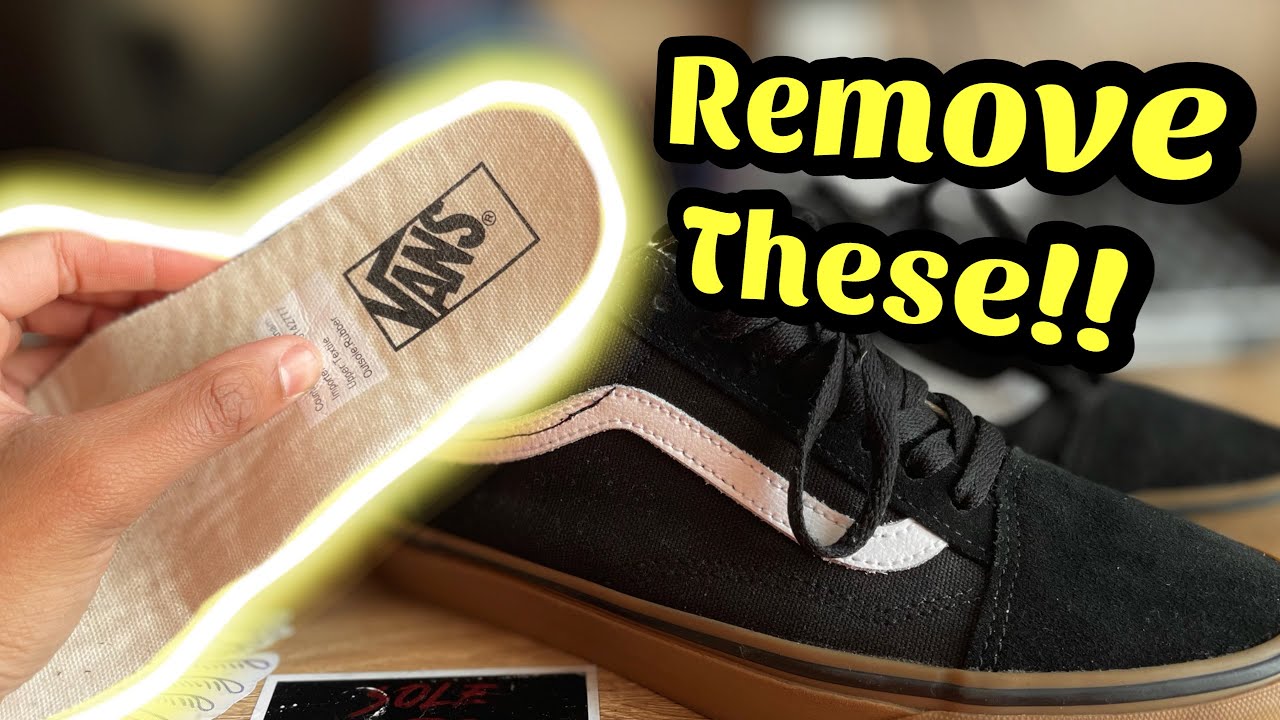
In this guide, we will take you through the ins and outs of removing insoles from your shoes. We’ll address the common types of insoles you might encounter, whether they are factory inserts or personalized orthotics. Each type requires specific handling to ensure they are removed without damaging your beloved pair of shoes.
Related: How to Reduce Swelling After Foot Surgery
Our journey will include the following key points:
Why Remove Insoles?: We’ll explore the various reasons that might prompt you to take out the insoles, emphasizing the importance of maintaining both your shoes and foot health.
Types of Insoles: Not all insoles are created equal. We’ll discuss the different types you might encounter, from cushioned to arch-supportive insoles, to help you understand their characteristics and how to handle them properly.
Methods and Tools: We’ll delve into the techniques and tools required to safely remove insoles without compromising your shoes’ integrity.
Cleaning and Maintenance: Once the insoles are out, we’ll provide guidance on cleaning and maintaining them, ensuring that your footwear remains fresh and odor-free.
Reinserting Insoles: We won’t leave you with an empty shoe! We’ll also cover how to reinsert insoles correctly, whether they are the original ones or custom orthotics.
From casual sneakers to formal dress shoes, understanding the art of insole removal is a valuable skill for any shoe enthusiast. So, join us on this journey as we reveal the secrets to unlocking the comfort and potential of your cherished footwear.
How to Remove Insoles From Shoes (Using 3 Basic Methods)
In our quest to unlock the comfort and potential of our beloved footwear, it’s essential to know how to properly remove insoles from shoes. These inserts play a vital role in providing cushioning and support, but there are instances when we need to take them out for cleaning, replacement, or customization.
In this section, we’ll explore three basic methods to safely and effectively remove insoles from your shoes.
Hand Removal Method: This method requires nothing more than your hands. We’ll guide you through the step-by-step process of gently peeling back the insole to avoid damaging it or the shoe. Whether you have factory insoles or custom orthotics, the hand removal method is a fundamental technique to master.
Insole Removal Tool: For those seeking a bit of assistance, we’ll introduce you to a handy tool specifically designed for insole removal. This tool can make the process easier, especially if the insoles are tightly secured within the shoe. We’ll walk you through how to use this tool effectively.
Freezing Method: The freezing method is a valuable technique for those facing stubborn insoles. We’ll explain how placing your shoes in the freezer can help loosen the insoles, making removal less challenging. It’s a unique approach that can be particularly useful for certain shoe types.
By mastering these three basic methods, you’ll have the skills and knowledge needed to safely remove insoles from your shoes, regardless of their type or material. Whether you’re looking to clean, replace, or customize your insoles, these techniques are your key to unlocking comfort and prolonging the life of your favorite footwear.
Why Would You Remove Insoles From Shoes?
There are several reasons why you might want to remove insoles from your shoes. Here are some of the most common scenarios:
Replacement: Over time, insoles can wear out, lose their cushioning and support, or become damaged. Removing the old insoles allows you to replace them with new ones, restoring the comfort and functionality of your shoes.
Custom Orthotics: Some individuals require custom orthotic insoles to address specific foot conditions or enhance comfort. Removing the factory insoles is necessary to accommodate these custom orthotics and ensure a proper fit.
Cleaning: Insoles can accumulate sweat, dirt, and odor over time. Removing them from your shoes allows you to clean and refresh both the insoles and the interior of the shoes, promoting better hygiene.
Drying: If your shoes become wet, removing the insoles can help speed up the drying process. It allows air to circulate within the shoe, preventing moisture buildup and potential odors.
Inspection: You may want to inspect the condition of the insoles and the interior of your shoes to check for signs of wear, damage, or any issues that could affect comfort and foot health.
Customization: Some individuals prefer to use specialized insoles or inserts for various activities, such as running, hiking, or work. Removing the factory insoles enables them to customize their footwear for specific needs.
Improving Fit: In some cases, you might find that removing the insoles creates more space within the shoe, improving the fit and comfort, especially if the shoes were slightly tight with the insoles in place.
Airing Out Shoes: Removing insoles and allowing the shoes to air out can help prevent moisture retention, which can lead to odor and the growth of bacteria or fungi.
The specific reason for removing insoles may vary from person to person and depend on the type of shoes and insoles in question. Whether you’re seeking to enhance comfort, address foot conditions, or simply maintain the freshness of your footwear, knowing how to safely remove and reinsert insoles is a valuable skill for any shoe enthusiast.
Related: How to Measure the Insole of Shoes
Is Wearing Shoes Without Insoles Okay?
Wearing shoes without insoles can be okay, depending on various factors, including the type of shoe, the purpose of use, and your specific foot needs. Here are some considerations:
- Type of Shoe: Some shoes, particularly minimalist or “barefoot” footwear, are designed to be worn without insoles. These shoes often have a minimalist sole that provides a closer-to-natural ground feel and may not accommodate traditional insoles. In such cases, wearing these shoes without additional insoles is part of their intended design.
- Comfort: If the shoes are inherently comfortable and provide adequate cushioning and support without insoles, it can be perfectly fine to wear them without additional inserts. Many casual and fashion-oriented shoes are designed to be worn without aftermarket insoles.
- Foot Health: If you have no specific foot issues or conditions that require orthotic support or additional cushioning, wearing shoes without insoles is generally fine. Some people find that minimalistic footwear can promote natural foot movement and help improve foot strength.
- Specific Activities: For certain activities like yoga, Pilates, or activities that involve being barefoot, wearing shoes without insoles can be suitable. It allows for better ground contact and balance.
- Proper Fit: The most crucial consideration is that the shoes fit properly and comfortably without insoles. If removing the insoles doesn’t create discomfort or a loose fit, and the shoes provide the support and protection you need, then it’s generally acceptable.
However, there are situations where wearing shoes without insoles may not be advisable:
- Foot Conditions: If you have specific foot conditions, such as flat feet, high arches, or overpronation, custom orthotic insoles or specialized support may be necessary for comfort and foot health.
- Performance Sports: In high-impact sports or activities that require specific support or cushioning, removing insoles might not be suitable. Proper footwear for the activity is essential.
- Running: Running shoes are designed with cushioning and support in the midsole and may not provide the necessary protection and comfort without insoles.
In summary, wearing shoes without insoles can be acceptable if the shoes are designed for it, fit well, and provide the comfort and support you need. However, for individuals with specific foot conditions or those engaging in high-impact activities, custom or specialized insoles may be required for optimal foot health and performance.

How do I Take Out Glued-in Insoles?
Removing glued-in insoles can be a bit more challenging than removing loose or removable insoles. Glued-in insoles are typically more secure, but with some patience and the right tools, you can still remove them. Here’s a step-by-step guide on how to take out glued-in insoles:
Tools You’ll Need:
- Hairdryer
- A flat, thin tool (e.g., a putty knife, a flathead screwdriver, or a butter knife)
- Adhesive remover (optional)
- Rubbing alcohol (optional)
- Cotton balls or a cloth (for adhesive remover or rubbing alcohol)
Step-by-Step Guide:
- Heat the Insoles: Plug in the hairdryer and set it to its highest heat setting. Hold the hairdryer a few inches away from the shoe and heat the insoles for 1-2 minutes. The heat will soften the adhesive, making it easier to remove the insoles.
- Insert the Tool: Gently insert the flat, thin tool (such as a putty knife) between the insole and the shoe’s interior. Be careful not to damage the shoe or puncture the insole. Start at the heel or another area where the insole is loosest.
- Lift and Pry: Once the tool is inserted, start to lift and pry the insole away from the shoe’s interior. Work your way around the insole, gradually separating it from the shoe’s bottom. Apply even pressure and be patient to avoid tearing the insole.
- Reheat as Needed: If you encounter resistance, reheat the area for another minute to soften the adhesive further. Then continue gently prying the insole.
- Remove Adhesive Residue (Optional): After the insoles are removed, you may notice adhesive residue left on the shoe’s interior. You can use an adhesive remover or rubbing alcohol to dissolve and clean the residue. Apply the adhesive remover or rubbing alcohol to a cotton ball or cloth and gently rub the residue until it comes off.
- Let Shoes Dry: Once the insoles and any adhesive residue are removed, let the shoes air out and dry. This will ensure that there’s no moisture or solvent left in the shoes.
Remember to be patient and take your time during the removal process to avoid damaging the insoles or the shoes. Glued-in insoles can vary in how securely they are attached, so the effort required to remove them may differ from one pair of shoes to another.
How to Remove Glued Insoles
Removing glued-in insoles from shoes can be a bit challenging, but with the right technique and some patience, it can be done. Here’s a step-by-step guide on how to remove glued insoles:
Tools You’ll Need:
- Hairdryer
- A thin, flat tool (e.g., a putty knife, a flathead screwdriver, or a butter knife)
- Adhesive remover (optional)
- Rubbing alcohol (optional)
- Cotton balls or a cloth (for adhesive remover or rubbing alcohol)
Step-by-Step Guide:
Prepare Your Workspace: Find a clean, well-ventilated area to work on. You may want to protect your work surface with a cloth or newspaper to catch any adhesive residue.
Heat the Insoles: Plug in the hairdryer and set it to its highest heat setting. Hold the hairdryer a few inches away from the shoe, and heat the glued-in insoles for 1-2 minutes. The heat will soften the adhesive, making it easier to remove the insoles.
Insert the Thin Tool: Gently insert the thin, flat tool (e.g., putty knife) between the insole and the shoe’s interior. Start at the heel or another area where the insole is loosest. Be cautious not to damage the shoe or the insole.
Lift and Pry: Once the tool is inserted, start to lift and pry the insole away from the shoe’s interior. Work your way around the insole, gradually separating it from the shoe’s bottom. Apply even pressure and be patient to avoid tearing the insole.
Reheat as Needed: If you encounter resistance or the adhesive cools down, reheat the area for another minute to soften the adhesive further. Then continue gently prying the insole.
Continue Around the Insole: Keep working your way around the insole, lifting and prying until it is completely detached from the shoe.
Clean Adhesive Residue (Optional): After the insoles are removed, you may notice adhesive residue left on the shoe’s interior. You can use an adhesive remover or rubbing alcohol to dissolve and clean the residue. Apply the adhesive remover or rubbing alcohol to a cotton ball or cloth and gently rub the residue until it comes off.
Let Shoes Dry: Once the insoles and any adhesive residue are removed, let the shoes air out and dry. This will ensure that there’s no moisture or solvent left in the shoes.
Be patient and take your time during the removal process to avoid damaging the insoles or the shoes. The effort required to remove glued-in insoles can vary depending on the type of adhesive used, so proceed carefully.
What Is the Use of Shoe Insole?
Shoe insoles, also known as footbeds or inserts, serve several important purposes in footwear. Here are some of the primary uses and benefits of shoe insoles:
Comfort: Insoles provide additional cushioning and padding inside the shoe, enhancing overall comfort. They help reduce the pressure and impact on your feet, making it more comfortable to walk, stand, or engage in various activities.
Arch Support: Many insoles offer arch support, which helps maintain the natural arch of your foot. Proper arch support can reduce strain on the arch and alleviate discomfort or pain associated with conditions like flat feet or plantar fasciitis.
Shock Absorption: Insoles absorb shock and impact when your feet strike the ground. This can reduce stress on your joints and prevent discomfort or pain in your feet, ankles, knees, and lower back.
Alignment: Insoles can help with foot alignment, ensuring that your feet are properly positioned within the shoe. This can improve your posture and gait, reducing the risk of overpronation or supination (excessive inward or outward rolling of the feet).
Moisture Management: Some insoles are designed to wick away moisture and keep your feet dry. This helps prevent the growth of bacteria, odor, and fungal infections.
Customization: Insoles can be customized to address specific foot conditions or fit issues. Custom orthotic insoles are tailored to the individual’s foot shape and needs, providing the best possible support and comfort.
Warmth and Insulation: In cold weather, thermal insoles can provide added insulation and warmth, helping to keep your feet comfortable and protected from the cold.
Reducing Foot Fatigue: Insoles can alleviate foot fatigue by providing additional support and cushioning during long hours of standing or walking.
Foot Health: Insoles can contribute to overall foot health by reducing strain on the feet and preventing issues related to poor footwear choices, such as blisters, calluses, and corns.
Foot Pain Relief: Insoles can help alleviate or prevent foot pain associated with various conditions, including plantar fasciitis, metatarsalgia, Achilles tendonitis, and more.
It’s important to choose the right type of insole based on your specific needs and the type of footwear you plan to use them in. While over-the-counter insoles can provide general benefits, custom orthotic insoles are recommended for individuals with specific foot conditions or those seeking the highest level of customization and support.
removing glued insoles smoother and helping maintain the integrity of both the insoles and the shoes. Be patient and careful during the removal process to avoid any damage.
Conclusion
In conclusion, knowing how to remove insoles from shoes is a valuable skill that can come in handy for various reasons, whether you need to replace worn-out insoles, customize your footwear for better comfort and support, or simply maintain the freshness and hygiene of your shoes.
With the right tools and techniques, this task becomes more manageable, ensuring that your shoes continue to provide the comfort and performance you expect. Whether your insoles are removable or glued in, the step-by-step methods we’ve explored can help you achieve your goal safely and effectively.
From using heat to soften the adhesive to employing thin, flat tools for precise removal, the key is to be patient and cautious to avoid damaging either the insoles or the shoes.
By following these guidelines and considering the specific needs of your shoes and feet, you’ll be well-equipped to remove insoles when necessary and maintain the comfort and functionality of your favorite footwear.
FAQs
- Is it okay to remove the insoles from my shoes?
- Yes, it’s perfectly fine to remove insoles from your shoes, especially if you need to replace them, clean the shoes, or insert custom orthotic insoles for better support and comfort.
- How do I know if my insoles are glued in or removable?
- Generally, glued-in insoles are firmly attached and not meant to be removed. Removable insoles, on the other hand, can be taken out easily. If you’re unsure, gently try to lift the insole from the shoe’s interior to see if it comes out.
- Can I use heat to remove glued-in insoles?
- Yes, using heat, such as a hairdryer, can soften the adhesive and make it easier to remove glued-in insoles. Be cautious not to overheat or damage the insoles in the process.
- Do I need special tools to remove insoles?
- While special tools like a putty knife or a thin, flat tool can be helpful, they are not always necessary. You can often use everyday items like a butter knife or a flathead screwdriver, but be gentle to avoid damaging the shoes.
- Should I replace my insoles with new ones after removal?
- It’s a good idea to replace old or worn insoles with new ones, especially if you’re removing them for comfort or support reasons. You can choose from a variety of insoles, including custom orthotics, to enhance the performance and feel of your shoes.