

The length of sneaker laces may seem like a minor detail, but it plays a significant role in both the aesthetics and functionality of your beloved sneakers. From classic low-top Converse Chuck Taylors to high-performance running shoes, the right lace length can make a world of difference in your footwear experience.
In this comprehensive guide, we’ll explore the intriguing world of sneaker laces – their varying lengths, materials, and the impact they have on your overall shoe-wearing comfort. We’ll delve into the reasons why lace length matters, providing practical insights and expert recommendations to help you choose the perfect laces for your needs.
Also Read: How to Wash Cheer Shoes
Sneaker laces are not one-size-fits-all; in fact, they come in a variety of lengths. The choice of lace length isn’t arbitrary but rather a design feature carefully considered by shoe manufacturers.
Different shoe models, styles, and sizes often come with corresponding lace lengths. Understanding which length is ideal for your specific sneakers is essential not only for aesthetic reasons but also for ensuring a snug, comfortable fit.

Moreover, laces are not only functional but also a style statement. The length you choose can impact the overall look of your sneakers. Whether you’re aiming for a clean, understated appearance or prefer a more trendy, chunky look, selecting the right lace length is a key part of personalizing your footwear.
So, if you’ve ever wondered why some sneakers have shorter laces while others sport long, trailing laces, or if you’re simply looking for guidance on choosing the right lace length for your kicks, this guide has you covered. Join us on this journey to unravel the mystery of sneaker laces and discover how they can transform your footwear game.
Sneaker Laces Length Guide
Choosing the right length of shoelaces is crucial for ensuring comfort, convenience, and style. Different shoe types and designs demand specific lace lengths to accommodate their unique features. Here’s a handy guide to help you make informed decisions when it comes to selecting the perfect lace length for your sneakers:
- Low-Top Sneakers: For classic low-top sneakers like Converse Chuck Taylors, lace lengths typically range from 45 inches to 54 inches (114 cm to 137 cm). This range provides enough length to tie a comfortable knot without excessive slack.
- High-Top Sneakers: High-top sneakers, which have more eyelets, require longer laces to ensure they can be securely fastened. Lace lengths for high tops often fall in the 54 to 72 inches (137 cm to 183 cm) range. The extra length is needed to wrap around the ankle area.
- Running Shoes: Running shoes benefit from longer laces that allow for a secure and adjustable fit. The lace lengths for running shoes can vary from 48 to 63 inches (122 cm to 160 cm), depending on the size and style of the shoe.
- Basketball Shoes: Much like high-top sneakers, basketball shoes come with additional eyelets for extra ankle support. Lace lengths for basketball shoes typically range from 54 to 72 inches (137 cm to 183 cm).
- Casual and Lifestyle Sneakers: The lace length for casual or lifestyle sneakers can vary widely based on the design and intended use. They often fall within the 45 to 63-inch (114 cm to 160 cm) range.
- Boots: Boots, whether they are work boots or fashion boots, require longer laces to accommodate the extended height. Lace lengths for boots can range from 63 to 108 inches (160 cm to 274 cm).
- Customization: If you prefer a specific lacing style, such as “bar lacing” or “spider lacing,” you may need longer laces to achieve these designs. Keep this in mind when selecting your laces.
When in doubt, it’s advisable to measure your existing laces or consult the manufacturer’s recommendations to determine the appropriate lace length for your specific shoe model.
Remember that having laces that are too long or too short can lead to discomfort or difficulty in fastening your shoes, so choosing the right length is essential for a comfortable and stylish experience.
How to Choose the Proper Shoe Lace Length for Your Sneakers
Selecting the right shoelace length is a critical aspect of ensuring the comfort, functionality, and style of your sneakers. The length of your shoelaces can affect how well your shoes fit, how easy they are to put on and take off, and even their overall appearance. Here’s a step-by-step guide to help you choose the proper shoelace length for your sneakers:
1. Consider Your Shoe Type:
- Different types of shoes may require different lace lengths. Consider whether you are lacing up low-top sneakers, high-top sneakers, running shoes, boots, or other types of footwear.
2. Measure Your Current Laces:
- If you have the old laces that came with your sneakers, measure them. This is one of the most accurate ways to determine the ideal lace length for your shoes.
3. Check the Manufacturer’s Recommendations:
- Shoe manufacturers often provide recommendations for lace lengths in their product specifications or on their websites. Check for these guidelines to ensure you get the right fit.
4. Count the Number of Eyelets:
- The number of eyelets on your shoes can also influence the lace length you need. More eyelets generally require longer laces to accommodate the additional length.
5. Consider Your Preferred Lacing Style:
- If you have a preferred lacing style, such as straight bar lacing, ladder lacing, or crisscross lacing, you may need longer laces to achieve the desired look. Keep this in mind when choosing your laces.
6. Take Your Foot Size into Account:
- The size of your feet can also affect the lace length you need. Larger shoe sizes may require longer laces to ensure they can be tied securely.
7. Allow for Adjustability:
- It’s a good idea to have a bit of extra length to allow for adjustability. Shoelaces that are slightly longer than the minimum required length can be tied in different ways, providing a custom fit.
8. Experiment and Test:
- If you’re unsure about the exact lace length, don’t hesitate to experiment. Start with laces that are a bit longer than you think you need, and adjust the length as you tie your shoes to find the most comfortable fit.
9. Seek Professional Advice:
- If you’re still uncertain or have special shoe fitting requirements, consider seeking advice from a professional cobbler or shoe store. They can provide expert guidance on choosing the right lace length.
By following these steps and considering the specific needs of your sneakers, you can ensure that the laces you choose not only fit perfectly but also enhance the overall look and functionality of your favorite footwear. Properly fitted laces can make a world of difference in your everyday comfort and style.
About The Shoe Lace
Shoelaces, also known as bootlaces or shoe strings, are more than just functional strands used to fasten your shoes. They are versatile accessories that can add style, character, and personality to your footwear. In this section, we’ll delve deeper into the world of shoelaces, exploring their history, materials, and various styles.
Also Read: How to Get Around After Foot Surgery
A Brief History of Shoelaces
Shoelaces have a long and fascinating history that dates back thousands of years. Here are some key milestones in the evolution of shoelaces:
- Prehistoric Times: The earliest form of shoelaces were simple cords made from natural materials like leather or plant fibers. These cords were used to secure primitive footwear.
- Ancient Civilizations: In ancient Egypt, Greece, and Rome, leather or cloth thongs were employed to fasten sandals and other footwear. Shoelaces, while functional, were also used as a status symbol, indicating wealth and social standing.
- Medieval Europe: During the Middle Ages, leather thongs or cords were widely used to fasten shoes and boots. These laces were often elaborately decorated and symbolized one’s social class.
- Industrial Revolution: The advent of industrial manufacturing in the 19th century led to the mass production of shoes and standardized shoelaces made from cotton or leather.
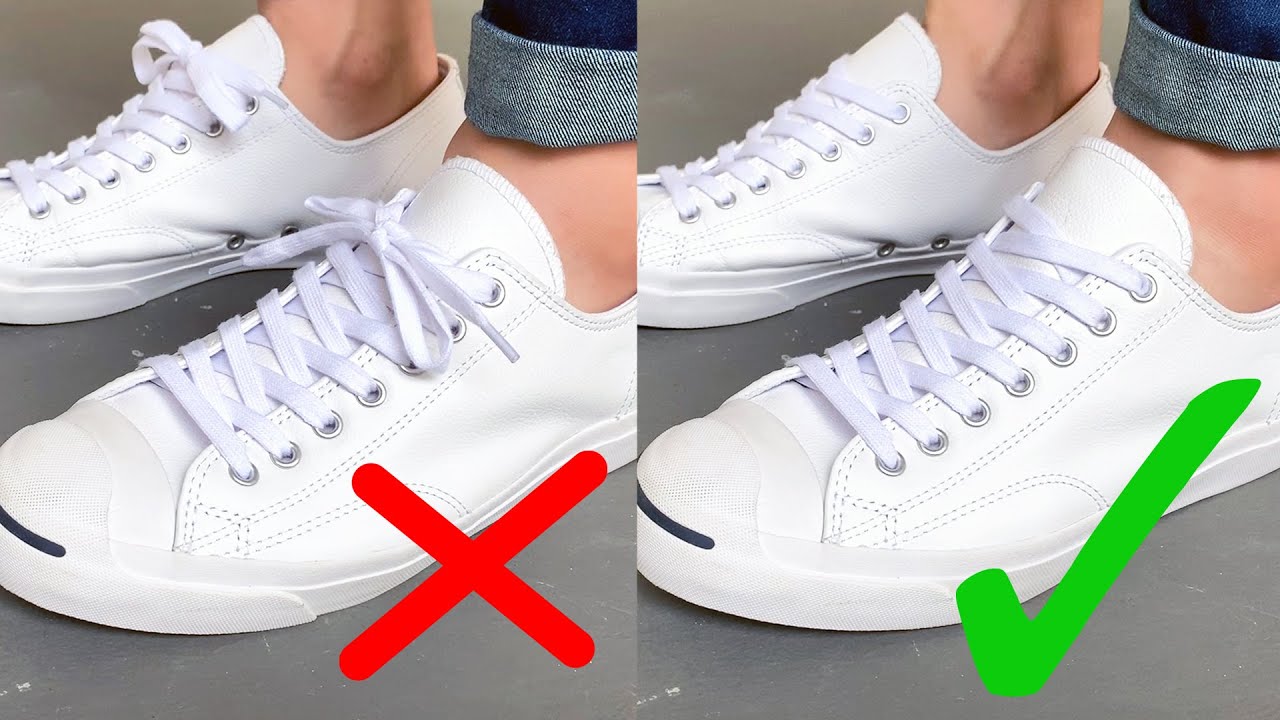
- Modern Times: Today, shoelaces come in a wide variety of materials, colors, and styles. They have become a fashion statement, with numerous creative ways to lace and tie them.
Shoelace Materials
Shoelaces are available in various materials, each with its own unique characteristics. Some common materials include:
- Cotton: Cotton laces are soft and comfortable, making them suitable for everyday wear. They are available in a wide range of colors.
- Polyester: Polyester laces are durable, water-resistant, and come in vibrant colors. They’re often used in athletic and outdoor footwear.
- Leather: Leather laces provide a classic, sophisticated look and are commonly found on dress shoes and boots.
- Nylon: Nylon laces are strong and resilient. They’re often used in heavy-duty work boots and hiking shoes.
Shoelace Styles
Shoelaces can be more than just functional; they can be a fashion statement. Some popular shoelace styles and trends include:
- Flat Laces: Traditional flat laces are versatile and suitable for most shoe types.
- Round Laces: Round laces offer a classic look and are commonly used in dress shoes.
- Waxed Laces: Waxed laces have a glossy finish, making them an excellent choice for formal shoes.
- Elastic Laces: Elastic laces are designed for slip-on shoes and sneakers, providing a secure yet flexible fit.
- Patterned Laces: These laces come in various patterns, colors, and designs, adding a unique touch to your shoes.
Understanding the history, materials, and styles of shoelaces can help you appreciate their significance beyond mere functionality. Shoelaces offer an opportunity to express your individuality and style, making them a fascinating aspect of footwear fashion.
Shoelace Lengths
Shoelace lengths are a crucial aspect of shoe accessories, influencing not only comfort and functionality but also the overall appearance of your footwear. The right shoelace length can make all the difference in ensuring your shoes fit well and look stylish. In this section, we’ll explore different shoelace lengths, their significance, and how to choose the perfect size for your shoes.
Low-Top Sneakers:
For low-top sneakers, lace lengths typically range from 45 inches to 54 inches (114 cm to 137 cm). This range provides enough length to tie a comfortable knot without excessive slack. If your sneakers have more eyelets, opt for longer laces within this range.
High-Top Sneakers:
High-top sneakers, which have more eyelets, require longer laces to ensure they can be securely fastened. Lace lengths for high-tops often fall in the 54 to 72 inches (137 cm to 183 cm) range. The extra length is needed to wrap around the ankle area and tie securely.
Running Shoes:
Running shoes benefit from longer laces that allow for a secure and adjustable fit. The lace lengths for running shoes can vary from 48 to 63 inches (122 cm to 160 cm), depending on the size and style of the shoe.
Basketball Shoes:
Much like high-top sneakers, basketball shoes come with additional eyelets for extra ankle support. Lace lengths for basketball shoes typically range from 54 to 72 inches (137 cm to 183 cm), providing the necessary length to ensure a secure fit.
Casual and Lifestyle Sneakers:
The lace length for casual or lifestyle sneakers can vary widely based on the design and intended use. They often fall within the 45 to 63-inch (114 cm to 160 cm) range, offering versatility and comfort.
Boots:
Boots, whether they are work boots or fashion boots, require longer laces to accommodate the extended height. Lace lengths for boots can range from 63 to 108 inches (160 cm to 274 cm), ensuring a snug fit and added style.
Customization:
If you have a specific lacing style in mind, such as bar lacing or spider lacing, you may need longer laces to achieve these designs. Keep this in mind when selecting your laces.
Remember that choosing the right lace length is essential for both comfort and style. Having laces that are too long or too short can lead to discomfort or difficulty in fastening your shoes.
Consider measuring your existing laces, consulting manufacturer recommendations, and accounting for the number of eyelets when selecting the perfect shoelace length for your shoes.
Lace Length Guide: How to Pick the Right Size for Boots and Shoes
Laces are not just functional components; they are style enhancers that can make or break the look and feel of your boots and shoes. Selecting the right lace length is essential to ensure comfort, ease of use, and a stylish appearance. In this guide, we’ll help you understand how to choose the perfect lace length for both boots and shoes, providing valuable insights for a well-rounded footwear experience.
Understanding the Importance of Proper Lace Length
The length of your shoelaces has a significant impact on the fit, style, and functionality of your footwear. Here’s why it matters:
- Comfort: The right length ensures a comfortable and snug fit. Laces that are too short can make your shoes feel tight, while overly long laces can be cumbersome and pose a tripping hazard.
- Functionality: Proper lace length allows for easy tightening and loosening, making it convenient to put on and take off your boots or shoes.
- Aesthetics: Shoelaces are not just about function; they’re also a fashion statement. The right length complements the design of your footwear, adding to its overall appeal.
Choosing the Right Lace Length
- Consider the Type of Footwear:
- Different types of boots and shoes have different requirements for lace lengths. Low-top sneakers, high-top boots, and casual shoes all need specific lengths.
- Count the Eyelets:
- The number of eyelets (lace holes) on your footwear affects the lace length you need. More eyelets generally require longer laces.
- Measure Existing Laces:
- If you have the old laces that came with your boots or shoes, measuring them is a reliable way to determine the ideal length.
- Check Manufacturer Recommendations:
- Shoe manufacturers often provide guidelines for lace lengths in their product specifications or on their websites. These recommendations can be valuable.
- Account for Foot Size:
- Larger shoe sizes may require longer laces to accommodate the added length needed for tying.
- Lacing Style Preference:
- If you have a preferred lacing style (e.g., straight bar lacing, crisscross lacing), consider this when choosing your laces. Some styles may need extra length.
- Leave Room for Adjustability:
- It’s a good practice to have slightly longer laces to allow for adjustability and experimenting with different lacing styles.
- Seek Professional Advice:
- If you’re unsure about the correct lace length, don’t hesitate to consult a professional cobbler or a knowledgeable salesperson at a shoe store.
With the right lace length, you can ensure that your boots and shoes fit comfortably, function seamlessly, and look their best. Whether you’re preparing for a casual outing or a formal event, proper lace sizing is a small but vital detail that can make a big difference in your overall footwear experience.
essential components, are no exception. As we’ve explored the significance of selecting the right lace length for your sneakers, we’ve uncovered the key to achieving a perfect fit and a personalized style statement.
From low-top classics to high-performance running shoes, understanding the nuances of lace length is vital. It’s not just about aesthetics but also about ensuring that your sneakers are snug and functional, providing you with the comfort you deserve.
As you embark on the journey of choosing the perfect lace length, remember the following key takeaways:
- Consider the Shoe Type: Different types of sneakers require different lace lengths. Low-tops, high-tops, running shoes, and boots each come with their unique lace sizing needs.
- Count the Eyelets: The number of eyelets on your sneakers plays a significant role in determining the ideal lace length. More eyelets often necessitate longer laces.
- Measure Existing Laces: If you have the original laces from your sneakers, measuring them can provide a precise reference point for selecting the right size.
- Check Manufacturer Recommendations: Shoe manufacturers often provide lace length recommendations for their specific models, so don’t overlook these valuable guidelines.
- Foot Size Matters: The size of your feet can affect the lace length you need. Larger shoe sizes may require longer laces to ensure a secure and comfortable fit.
- Lacing Style Preference: If you have a preferred lacing style, consider it when choosing your laces. Certain styles may require additional length for the desired look.
- Room for Adjustability: Having slightly longer laces than strictly necessary allows you to experiment with different lacing styles and fine-tune your fit.
With these considerations in mind, you’re well-equipped to make informed decisions about your sneaker laces. The perfect lace length not only ensures that your sneakers fit like a glove but also allows you to make a style statement that’s uniquely yours.
So, whether you’re stepping onto the court in your basketball sneakers, heading out for a run in your favorite running shoes, or simply looking to upgrade the style of your low-top classics, the right lace length is the finishing touch that ties it all together. It’s a small detail that makes a big difference in your everyday comfort and style.
Conclusion: Finding the Perfect Sneaker Lace Length
In the world of footwear, even the smallest details can have a big impact on your comfort, style, and overall shoe-wearing experience. Sneaker laces, seemingly insignificant yet essential components, are no exception. As we’ve explored the significance of selecting the right lace length for your sneakers, we’ve uncovered the key to achieving a perfect fit and a personalized style statement.
From low-top classics to high-performance running shoes, understanding the nuances of lace length is vital. It’s not just about aesthetics but also about ensuring that your sneakers are snug and functional, providing you with the comfort you deserve.
As you embark on the journey of choosing the perfect lace length, remember the following key takeaways:
- Consider the Shoe Type: Different types of sneakers require different lace lengths. Low-tops, high-tops, running shoes, and boots each come with their unique lace sizing needs.
- Count the Eyelets: The number of eyelets on your sneakers plays a significant role in determining the ideal lace length. More eyelets often necessitate longer laces.
- Measure Existing Laces: If you have the original laces from your sneakers, measuring them can provide a precise reference point for selecting the right size.
- Check Manufacturer Recommendations: Shoe manufacturers often provide lace length recommendations for their specific models, so don’t overlook these valuable guidelines.
- Foot Size Matters: The size of your feet can affect the lace length you need. Larger shoe sizes may require longer laces to ensure a secure and comfortable fit.
- Lacing Style Preference: If you have a preferred lacing style, consider it when choosing your laces. Certain styles may require additional length for the desired look.
- Room for Adjustability: Having slightly longer laces than strictly necessary allows you to experiment with different lacing styles and fine-tune your fit.
With these considerations in mind, you’re well-equipped to make informed decisions about your sneaker laces. The perfect lace length not only ensures that your sneakers fit like a glove but also allows you to make a style statement that’s uniquely yours.
So, whether you’re stepping onto the court in your basketball sneakers, heading out for a run in your favorite running shoes, or simply looking to upgrade the style of your low-top classics, the right lace length is the finishing touch that ties it all together. It’s a small detail that makes a big difference in your everyday comfort and style.
FAQs
1. What is the standard lace length for low-top sneakers?
- Standard lace lengths for low-top sneakers typically range from 45 to 54 inches (114 to 137 cm), but this can vary depending on the shoe size and brand. Always check the manufacturer’s recommendations for your specific sneakers.
2. Do high-top sneakers require longer laces?
- Yes, high-top sneakers generally require longer laces due to their additional eyelets and the need to wrap around the ankle area. Lace lengths for high-tops often range from 54 to 72 inches (137 to 183 cm).
3. How can I measure the correct lace length for my sneakers?
- To measure the correct lace length, you can use the existing laces that came with your sneakers. Simply remove the laces and measure them. If you don’t have the old laces, count the number of eyelets on your shoes and use manufacturer recommendations as a guide.
4. Can I use shorter laces for my sneakers if I prefer a clean, minimalist look?
- Using shorter laces for sneakers can create a clean, minimalistic appearance. However, it’s important to ensure that the laces are long enough to comfortably tie and secure your shoes without causing discomfort.
5. Are there specific lacing styles that require longer laces for sneakers?
- Yes, some lacing styles, such as straight bar lacing, ladder lacing, or unique patterns, may require longer laces to achieve the desired look. If you have a preferred lacing style, consider the extra length needed when selecting your laces.