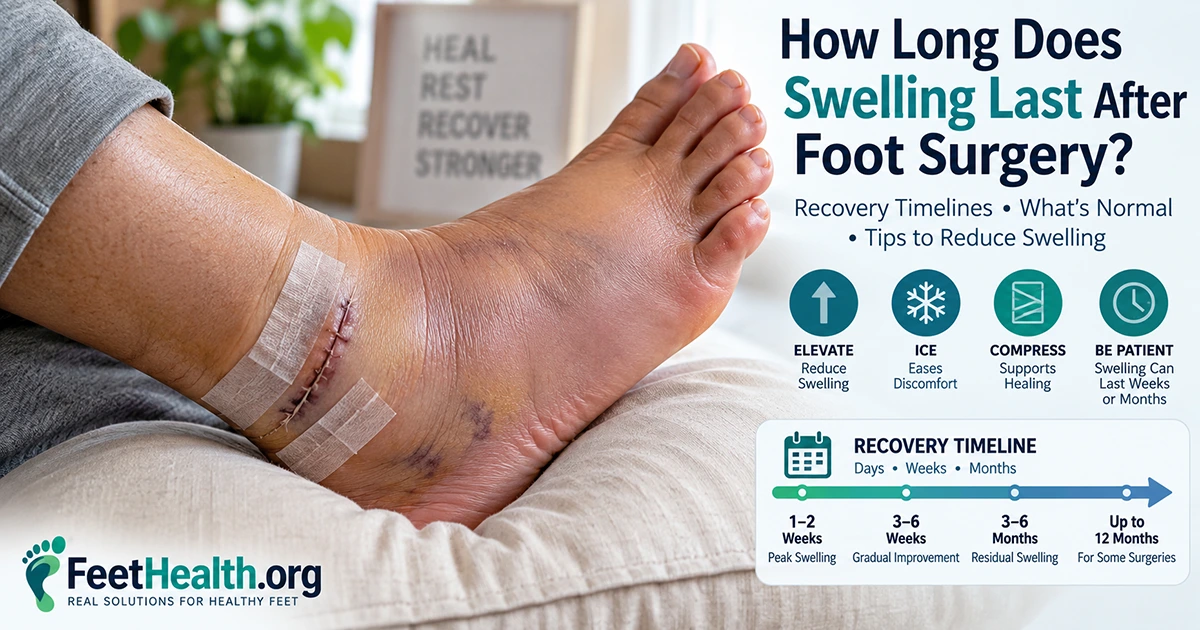
Swelling is a common and expected occurrence following foot surgery, and it’s a topic that often raises questions and concerns for those who have recently undergone a procedure. The duration and severity of post-surgery swelling can vary depending on several factors, including the type of surgery, individual healing characteristics, and the aftercare provided. Understanding how long swelling last after foot surgery is essential for managing expectations and ensuring a smooth recovery process.

The Initial Post-Surgery Experience
In the days immediately following foot surgery, it’s normal to experience significant swelling. This swelling is your body’s natural response to the trauma of surgery, as it sends blood and fluids to the injured area to aid in the healing process. This initial swelling is usually the most intense, and it may make it challenging to assess the outcome of the surgery.
Factors Influencing Swelling Duration
The length of time that swelling persists after foot surgery is influenced by various factors, including:
Surgical Procedure: The type and complexity of the foot surgery play a significant role in determining the duration of post-operative swelling. More extensive procedures may lead to longer recovery times.
Individual Healing: Each person’s body responds differently to surgery. Factors such as age, overall health, and genetics can affect the rate at which swelling subsides.
Post-Operative Care: Proper post-operative care, including following your surgeon’s instructions regarding elevation, compression, and ice application, can help reduce swelling and speed up the recovery process.
Typical Swelling Timeline
While the duration of swelling can vary, a general timeline can provide some guidance. In the first week or two after surgery, swelling is at its peak. It gradually subsides in the subsequent weeks. By the end of the first month, most patients experience a noticeable reduction in swelling. However, it’s not unusual for some residual swelling to persist for several months after surgery, especially with more complex procedures.
Also Read: How Much Do Shoes Weigh | Unveiling the Truth
The Importance of Patience and Communication
Patience is key during the post-operative recovery period. It’s vital to maintain open communication with your healthcare provider, who can monitor your progress and provide guidance on managing swelling. Understanding the expected duration of swelling after foot surgery can help alleviate anxiety and ensure that you take the necessary steps to facilitate a successful recovery. In the sections to follow, we will delve deeper into strategies for managing and reducing post-surgery swelling and provide insights into when to seek professional advice.
Immediate Post-Operative Stage
The immediate post-operative stage following foot surgery is a critical period, and it’s during this time that you’ll experience the most intense swelling and discomfort. This section focuses on what to expect during the immediate post-operative stage and how to manage swelling effectively.
1. Initial Swelling: Swelling is a natural response to surgery, and it usually begins immediately after the procedure. In the first 24 to 48 hours, expect significant swelling in the surgical area. This initial swelling can make it challenging to evaluate the surgery’s outcome, and it may affect your ability to put weight on the operated foot.
2. Elevation: Elevating your foot is one of the most effective ways to manage swelling during the immediate post-operative stage. Keep your foot elevated as much as possible, with the level of elevation above the level of your heart. This helps reduce the accumulation of fluid in the surgical area and can provide relief.
3. Ice Application: Applying ice to the swollen area can help minimize swelling and alleviate discomfort. Your surgeon or healthcare provider may recommend using ice packs wrapped in a thin cloth for short periods. Follow their guidance on the frequency and duration of ice applications.
4. Compression: Some surgical dressings or bandages may provide compression to minimize swelling. Ensure that the compression is applied correctly and is not too tight, which could impede blood flow. Improper compression can lead to additional complications.
5. Pain Management: Managing pain during this stage is essential. Your healthcare provider will prescribe pain medications as needed. Follow their instructions closely and inform them of any concerns or side effects.
6. Follow Medical Advice: Strictly adhere to the post-operative instructions provided by your surgeon. This includes weight-bearing restrictions, medication schedules, and any specific recommendations for managing swelling. Compliance with these instructions is vital for a successful recovery.
7. Regular Check-Ins: Expect follow-up appointments with your surgeon or healthcare provider during the immediate post-operative stage. These check-ins are crucial for monitoring your progress, dressing changes, and assessing the surgical site. Share any concerns or issues you’re experiencing.
8. Keep the Foot Immobilized: It’s essential to keep your foot immobilized, especially if you’ve undergone procedures like bunion surgery, toe realignment, or fracture repair. Your surgeon may provide a cast, splint, or specialized footwear to protect and support the surgical site.
Understanding and effectively managing swelling during the immediate post-operative stage is vital for a smooth recovery. While swelling is a natural part of the healing process, following your healthcare provider’s guidance, practicing elevation and ice application, and staying diligent in your pain management will help minimize discomfort and expedite the healing process. This stage is a critical foundation for the weeks and months of recovery that follow.
Acute Stage
The acute stage, which follows the immediate post-operative period, typically spans the first few weeks after foot surgery. During this phase, swelling gradually begins to subside, but it is still a significant consideration in your recovery. In this section, we’ll delve into the characteristics of the acute stage and how to effectively manage swelling during this period.
1. Reduced but Persistent Swelling: In the acute stage, you’ll notice a reduction in the intensity of swelling compared to the immediate post-operative stage. However, some degree of swelling will persist, and the surgical area may remain tender.
2. Continued Elevation: Continue to elevate your foot regularly during the acute stage, especially when resting or sleeping. Elevating the foot above the level of your heart helps minimize fluid retention in the surgical area and contributes to swelling reduction.
3. Gradual Resumption of Activities: Depending on the type of surgery and your surgeon’s recommendations, you may start gradually resuming limited weight-bearing and mobility. Follow your healthcare provider’s guidelines closely to avoid overexertion or unnecessary stress on the operated foot.
4. Gentle Range-of-Motion Exercises: Your surgeon or physical therapist may recommend gentle range-of-motion exercises to maintain flexibility and prevent joint stiffness. These exercises should be done with caution and under professional guidance to avoid straining the surgical site.
5. Compression Garments: In some cases, your surgeon may advise the use of compression garments or bandages during the acute stage to further reduce swelling. Ensure that compression is applied correctly and is not too tight.
6. Pain Management Adjustments: As your pain decreases, you may require fewer pain medications. Follow your healthcare provider’s guidance on tapering your pain management regimen, and consult with them if you experience any pain or discomfort.
7. Regular Follow-Up Appointments: Continue attending scheduled follow-up appointments with your surgeon. These appointments are essential for monitoring your progress, removing stitches or staples, and addressing any concerns or complications.
8. Nutrition and Hydration: Maintain a balanced diet and stay well-hydrated. Proper nutrition and hydration can support the healing process and contribute to the reduction of swelling.
9. Patience and Rest: The acute stage can be a test of patience. While you may feel eager to return to your normal activities, it’s essential to prioritize rest and allow your body time to heal. Overexertion can lead to increased swelling and setbacks.
The acute stage is a transitional period in your recovery journey, where the initial intense swelling gradually subsides, and you begin to regain mobility. Effective swelling management, as outlined above, is crucial to ensure a smooth transition and promote the best possible outcomes from your foot surgery. Always maintain open communication with your healthcare provider to address any concerns and make necessary adjustments to your recovery plan.
Sub-Acute Stage
The sub-acute stage is a crucial phase in your recovery journey after foot surgery, typically spanning from a few weeks to a couple of months post-operation. During this stage, the initial swelling has further subsided, and you’re working on regaining mobility and strength in your foot. Here’s what to expect during the sub-acute stage and how to manage residual swelling:
1. Decreasing Swelling: By the sub-acute stage, the swelling in your foot should continue to decrease. You’ll notice a significant reduction compared to the acute stage, but some residual swelling may still be present, especially after periods of activity.
2. Gradual Weight-Bearing Progression: Depending on your surgeon’s recommendations and the type of surgery, you may gradually increase weight-bearing on your foot. This could involve transitioning from crutches or a walker to partial or full weight-bearing with specialized footwear.
3. Physical Therapy: Many patients begin physical therapy during the sub-acute stage to improve range of motion, strength, and balance. Your physical therapist can guide you through exercises tailored to your specific needs and surgery type.
4. Footwear Transition: As swelling decreases and your surgeon permits, you may transition from specialized surgical footwear to more regular footwear that provides comfort and support. Ensure your shoes fit well and don’t constrict the foot.
5. Residual Swelling Management: Continue to elevate your foot, especially after periods of activity or when you experience increased swelling. Elevation remains an effective way to manage residual swelling.
6. Compression: If recommended by your healthcare provider, you may still use compression garments or bandages to further reduce residual swelling.
7. Scar Care: During the sub-acute stage, you should also focus on scar care. Your surgeon may recommend scar massage and the use of scar creams or ointments to promote optimal healing.
8. Pain Management: Pain and discomfort may continue to decrease during the sub-acute stage. Adjust your pain management regimen as directed by your healthcare provider.
9. Follow-Up Appointments: Continue attending follow-up appointments with your surgeon or healthcare provider. These appointments are essential for tracking your progress, addressing any concerns, and making necessary adjustments to your recovery plan.
10. Exercise and Activity: Gradually increase your activity level under the guidance of your surgeon and physical therapist. Strengthening exercises, range-of-motion exercises, and balance training can help in the recovery process.
The sub-acute stage is a period of increased activity and rehabilitation, marked by reduced swelling and improved mobility. It’s essential to remain diligent in managing any residual swelling, continue your prescribed exercises, and stay in close communication with your healthcare team to ensure that your recovery is progressing as expected. While you’re on the path to a full recovery, remember that every individual’s healing timeline is unique, and patience is key during this phase.
Also Read: How Much Do Steel Toed Boots Weight

Chronic Stage
The chronic stage of recovery from foot surgery typically spans several months to a year or more after the procedure. During this phase, you should experience a significant reduction in swelling, and your focus shifts towards restoring normal function, strength, and mobility in your foot. Here’s what to expect during the chronic stage and how to effectively manage any remaining issues:
1. Swelling Resolution: By the chronic stage, swelling in your foot should be minimal, and any remaining swelling is typically a result of overexertion or extended periods of activity. It should not be a persistent issue at this point.
2. Full Weight-Bearing: In most cases, your surgeon will allow you to resume full weight-bearing on your foot. You should be able to walk, stand, and move around with minimal limitations.
3. Physical Therapy Continuation: While your physical therapy sessions may have become less frequent during the chronic stage, you might still benefit from periodic sessions to maintain strength, flexibility, and balance.
4. Normal Footwear: You can typically transition back to your regular footwear during the chronic stage. Ensure that your shoes provide the support and comfort your foot needs.
5. Resume Normal Activities: You should be able to resume most of your normal daily activities and exercise routines during this stage. Be sure to ease into more strenuous activities and exercises to avoid overexertion.
6. Scar Care: Continue with any scar care routines recommended by your surgeon, including scar massage and the use of scar creams or ointments.
7. Pain Management Adjustments: Pain should be minimal or nonexistent during the chronic stage. Consult your healthcare provider if you continue to experience discomfort or pain.
8. Ongoing Follow-Up Appointments: Periodic follow-up appointments with your surgeon are important to ensure that your foot is healing correctly and to address any residual concerns.
9. Long-Term Care: Maintain a proactive approach to your foot health, including regular foot checks, monitoring for any unusual changes or discomfort, and seeking medical advice if you notice any issues.
10. Patient Education: Understand the long-term implications of your surgery, especially if you had a corrective procedure or if you have specific conditions that require ongoing management.
The chronic stage represents the final phase of your recovery from foot surgery, where you should regain full mobility and experience minimal to no swelling. It’s crucial to maintain your commitment to the prescribed exercises, follow-up appointments, and long-term foot care practices. By doing so, you can ensure that the benefits of your surgery are sustained and that your foot remains healthy and functional in the long term. Always communicate with your healthcare provider if you have any concerns or questions during this stage of recovery.
Conclusion
Spotting fake Cloud shoes not only protects you from potential disappointment and discomfort but also helps support the integrity of this esteemed brand. The distinctive features, quality, and dedication to foot health that Cloud shoes are known for are worth safeguarding.
Whether you’re a discerning consumer or someone recovering from foot surgery, knowing how to spot fake Cloud shoes is essential for a positive experience. By following the guidelines provided in this comprehensive guide, you can confidently make informed purchasing decisions and embark on your journey toward optimal foot health and style. Stay vigilant, trust your instincts, and prioritize authenticity, and you’ll enjoy the true comfort and quality that Cloud shoes are renowned for.
FAQs
1. What are Cloud shoes, and why are they popular among consumers? Cloud shoes are renowned for their exceptional comfort and quality. Their popularity has made them a target for counterfeit products, making it crucial to know how to spot fake ones.
2. Are there specific signs in the packaging that can help identify genuine Cloud shoes? Yes, genuine Cloud shoe packaging is characterized by high-quality materials and precise branding. Counterfeit packaging often lacks the same level of quality.
3. What should I look for in the Cloud logo and branding to verify authenticity? Examine the logo for precision, consistency in fonts and colors, and clear detailing. Authentic Cloud shoes have logos that are well-defined and uniformly applied.
4. What types of materials are authentic Cloud shoes made from? Authentic Cloud shoes are made from high-quality materials, including soft and supple leather. Counterfeit shoes may use lower-grade or synthetic materials that lack the brand’s signature quality.
5. Can I rely on the size alone to determine if a pair of Cloud shoes is genuine? While sizing can be an indicator, counterfeit shoes may still have the correct size markings. It’s important to consider other authenticity factors, such as materials and craftsmanship.
6. What signs of quality should I look for in the stitching and craftsmanship of Cloud shoes? Authentic Cloud shoes exhibit precise, uniform stitching, well-finished seams, and meticulous craftsmanship. Counterfeit shoes often have uneven stitching and show signs of poor workmanship.
7. How can I manage comfort and fit when purchasing Cloud shoes to avoid counterfeits? Ensuring the insole cushioning, arch support, and overall comfort match the brand’s reputation is vital in avoiding counterfeit shoes that may lack these features.
8. How can I research a seller to confirm they are authorized to sell genuine Cloud shoes? Visit the official Cloud Shoes website or contact their customer support for a list of authorized retailers. Always prioritize purchasing from these trusted sellers.
9. Are there particular warning signs in the insole or sole of the shoe that can indicate authenticity? The insoles and soles of authentic Cloud shoes often feature high-quality materials and cushioning. Counterfeit shoes may have insoles that feel thin and hard, and soles made from inferior materials.
10. What are the potential risks of buying counterfeit Cloud shoes, and how can I protect myself from them? Buying counterfeit Cloud shoes can result in lower quality, discomfort, and wasted money. To avoid counterfeit products, purchase from authorized retailers, thoroughly research independent sellers, and carefully inspect the shoes before buying.