

Foot surgery can be a life-changing experience for many individuals, whether it’s correcting a long-standing issue, alleviating pain, or improving mobility. However, one of the most common questions that arise when considering foot surgery is, “How long is Recovery for Foot Surgery?” This concern is entirely justified, as understanding the recovery timeline is crucial for making informed decisions and setting realistic expectations.
In this comprehensive guide, we will explore the factors influencing foot surgery recovery, provide insights into the average recovery times for various procedures, offer tips for smoother recuperation, and share real-life patient stories to help you navigate this significant journey.
Also Read: 5 Things to Do After Foot or Ankle Surgery
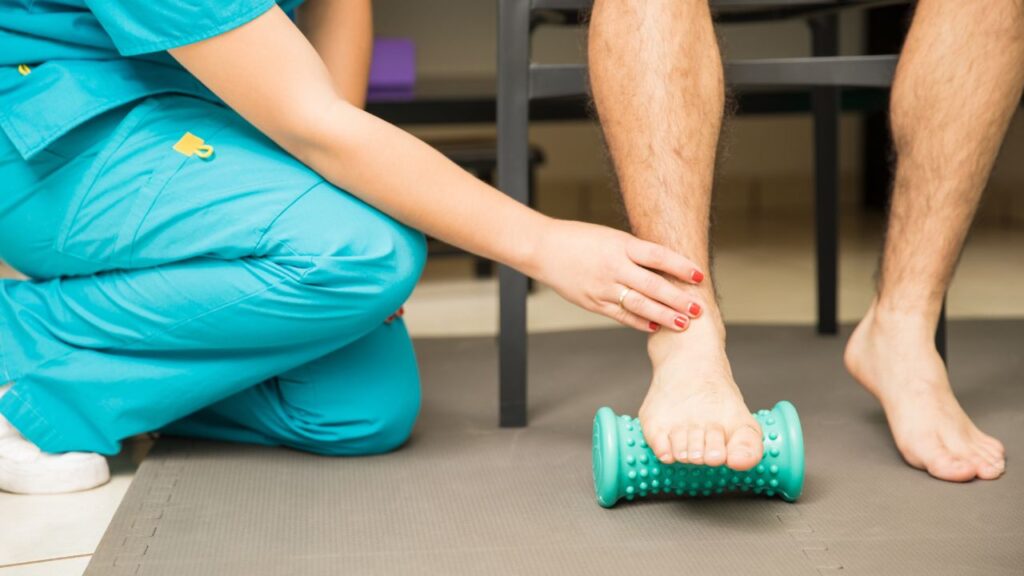
Types of Foot Surgery
Before delving into the intricacies of recovery, it’s essential to have a basic understanding of the types of foot surgeries. Foot surgery can range from relatively simple procedures, such as bunion removal, to more complex surgeries like ankle reconstruction.
The specific surgery you undergo will play a significant role in determining the length and nature of your recovery. To ensure that you have a clear picture of what to expect, let’s briefly explore some common types of foot surgeries.
Factors Influencing Recovery for Foot Surgery
Recovery from foot surgery is not a one-size-fits-all scenario. Numerous factors influence how long it takes to fully recuperate. It’s important to recognize that your individual experience may differ from someone else’s. Factors that can affect your recovery timeline include your age, overall health, the type and complexity of the surgery, preoperative preparation, and postoperative care.
Age and overall health are crucial determinants. Younger, healthier individuals often experience shorter recovery periods than those who are older or have underlying health conditions. Additionally, the type and complexity of the surgery matter. A minor procedure may require a few weeks of recovery, while a more intricate surgery might extend that period.
Preoperative preparation and postoperative care are equally important. Your surgeon will provide guidelines on how to prepare for the surgery, such as lifestyle adjustments and dietary considerations.
Following these instructions diligently can positively impact your recovery. Similarly, the care you receive post-surgery, including wound management, physical therapy, and adherence to doctor’s recommendations, plays a pivotal role in determining the duration of your recovery.
Average Recovery Times
Now that we’ve touched on the various factors influencing foot surgery recovery, it’s time to delve into the specifics. While recovery times can vary widely, depending on the procedure and the individual, we can provide a general overview of what you can expect. Below, we’ll explore the typical recovery timelines for some common foot surgeries. Keep in mind that these are approximate timelines, and your journey may differ.
The Recovery Process
Understanding what to expect during the recovery process is essential for mental and physical preparation. Foot surgery recovery typically follows a phased approach, and each phase has its challenges and milestones. Let’s break down the recovery journey, starting with the initial post-surgery days.
Initial Post-Surgery Days: In the immediate aftermath of your foot surgery, you can anticipate some discomfort and limited mobility. Pain management will be a top priority, and your surgeon will likely prescribe pain medication to keep you comfortable. Depending on the type of surgery, you may need to keep weight off your operated foot entirely or use crutches or a walker. Elevating your foot and keeping it iced can help reduce swelling and promote healing.
Progress in the First Few Weeks: As the days turn into weeks, you’ll begin to see progress. The initial pain and swelling will gradually subside. It’s essential to follow your surgeon’s instructions meticulously, which may include changing dressings, wound care, and potentially attending post-operative check-ups. Some individuals may transition from crutches to a walking boot during this phase, while others may continue to rely on crutches for a longer duration.
Coping with Pain and Discomfort: While pain will become more manageable over time, it’s not unusual to experience occasional discomfort, stiffness, and twinges of pain during the recovery process. Your doctor will guide pain management techniques, which may include medication, ice therapy, and elevation. You should report any severe or worsening pain to your medical team.
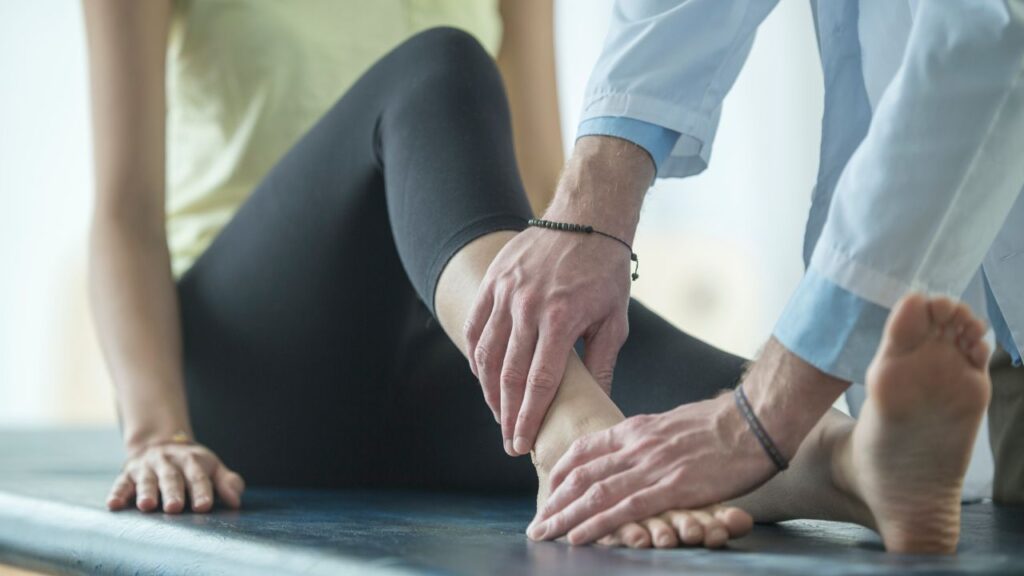
Mobility and Physical Therapy: Physical therapy plays a significant role in foot surgery recovery. Your doctor may recommend exercises to improve strength, flexibility, and range of motion. This phase is essential for regaining full function and mobility in your foot. Regular physical therapy sessions can accelerate your recovery and reduce the risk of complications.
Return to Normal Activities: The ultimate goal of foot surgery recovery is to return to your normal activities and enjoy life without pain or discomfort. The timeline for this will vary based on the surgery and individual factors. It’s crucial to be patient and not rush the process. Your surgeon will guide you on when it’s safe to resume activities like walking, running, and sports.
Navigating the recovery process can be challenging, but with the right support, patience, and commitment, you can make a successful recovery and regain your quality of life.
Also Read: 4 Ways to Speed Up Your Foot Surgery Recovery Time
Complications and Prolonged Recovery
While the majority of foot surgery recoveries proceed smoothly, it’s essential to be aware of potential complications that can extend the healing process. Some common complications include:
Infection: Infections can occur at the surgical site, leading to pain, swelling, and delayed healing.
Poor wound healing: Some individuals may experience slow or incomplete wound healing, which can prolong the recovery.
Nerve damage: In rare cases, nerve damage can result in numbness, tingling, or altered sensation in the foot.
If you encounter any unusual symptoms or complications, it’s crucial to contact your medical team promptly. Timely intervention can prevent further issues and help get your recovery back on track.
Tips for a Smooth Recovery
A successful foot surgery recovery is not solely dependent on medical procedures but also on your active participation and lifestyle choices. Here are some valuable tips to ensure a smooth and efficient healing process:
Preparation is Key: Before your surgery, follow your surgeon’s preoperative instructions diligently. This may involve lifestyle changes, dietary considerations, and arranging your living space to accommodate your limited mobility.
Pain Management: Communicate openly with your medical team about pain. Don’t try to tough it out. Effective pain management is essential for a comfortable recovery. Follow your prescribed pain medication regimen.
Elevate and Ice: Elevating your foot and applying ice as recommended by your doctor can reduce swelling and inflammation. This is particularly important in the initial post-surgery days.
Physical Therapy: Attend all scheduled physical therapy sessions and follow your therapist’s guidance for exercises and stretches. Consistent therapy can significantly speed up your recovery.
Nutrition and Hydration: A balanced diet and staying hydrated are crucial for healing. Nutrients like protein, vitamin C, and zinc aid in tissue repair. Consult with your surgeon or a nutritionist for personalized dietary advice.
Rest and Sleep: Adequate rest and quality sleep are essential for recovery. Ensure you have a comfortable sleeping arrangement, and don’t hesitate to ask your surgeon for recommendations on sleep positioning.
Follow Doctor’s Orders: It can’t be stressed enough – adhere to your surgeon’s instructions. This includes avoiding weight-bearing on the operated foot, keeping the surgical site clean, and attending follow-up appointments.
Emotional Support: Recovery can be mentally challenging. Seek support from friends, family, or support groups. Keeping a positive attitude can make a significant difference in your healing process.
Conclusion
In conclusion, foot surgery recovery is a unique journey that varies for each individual. Understanding the factors that influence recovery, the average recovery times for specific procedures, and implementing practical tips can make the process more manageable and successful.
It’s important to stay in close communication with your medical team, follow their guidance, and be patient with yourself during this recovery journey.
Remember that your experience may differ from others, and complications, while uncommon, can arise. Seeking timely medical attention and adhering to your surgeon’s advice will help ensure a smooth and efficient recovery.
FAQs
While you can’t rush the natural healing process, you can optimize your recovery by following your surgeon’s advice, staying active in your physical therapy, and maintaining a healthy lifestyle.
Pain management techniques include prescribed medication, ice therapy, elevation, and relaxation techniques. Be sure to discuss your pain management plan with your healthcare provider.
The timing varies based on the type of surgery and individual factors. Your surgeon will guide you on when it’s safe to resume your normal activities. Be patient and don’t rush the process.
To minimize the risk of complications, follow your surgeon’s preoperative and postoperative instructions meticulously. Report any unusual symptoms or concerns promptly.