

In this exploration of sneakers weight, we’ll delve into the factors that contribute to the overall weight of a pair of sneakers. The weight of a pair of sneakers may seem like a straightforward and inconsequential detail, but in the world of footwear, it carries more significance than one might imagine.
As we embark on this journey to unravel the secrets behind sneaker weight, we’ll discover that there’s more to it than meets the eye. Sneakers, as a symbol of comfort and style, come in a myriad of designs, each catering to different needs and preferences.
While it’s true that many of us choose our sneakers primarily based on style, the weight of these shoes plays a pivotal role in our daily lives, from casual strolls in the park to rigorous athletic endeavors.
Also Read: How to Remove Insoles From Shoes
From the materials used in their construction to the purpose they serve – whether it’s for running, training, or fashion – these variables influence the weight and functionality of your footwear.
Furthermore, we’ll discuss how the weight of sneakers can impact your performance in various activities. Athletes and sports enthusiasts often seek the perfect balance between cushioning and lightweight design, as it can significantly affect their speed, agility, and endurance.
Additionally, sneaker weight can have implications for foot health and comfort. Finding the right weight-to-support ratio is essential for those who value both style and well-being.
Join us as we dive into the intricacies of sneaker weight and unveil the factors that make your favorite pair of sneakers unique. Whether you’re a seasoned athlete, a fashion enthusiast, or someone who simply enjoys a leisurely stroll, understanding sneaker weight will shed new light on this seemingly unassuming aspect of footwear.

How Much Do Sneakers Weight? Decoding the Variables
In the quest to unravel the intricacies of sneaker weight, it’s essential to delve into the core question: How much do sneakers actually weigh? The answer, as it turns out, is far from straightforward.
The weight of sneakers varies significantly based on several crucial factors, and understanding these variables is essential for both sneaker enthusiasts and athletes who require specific attributes from their footwear.
In this section, we will break down the critical factors that influence the weight of sneakers, shedding light on the hidden elements that contribute to their overall heft. Here are some of the key factors we will explore:
1. Materials: The type and quality of materials used in the construction of sneakers play a significant role in determining their weight. From lightweight mesh for breathability to sturdy leather for support, different materials offer various benefits and, in turn, affect the overall weight.
2. Design and Purpose: Sneakers come in various designs, tailored to specific purposes such as running, training, basketball, or everyday wear. Each design incorporates features that impact the weight and functionality of the shoes. We’ll delve into how design choices affect weight.
3. Technology: Sneaker brands often incorporate innovative technologies like cushioning, midsole foams, and outsole patterns. These technologies can add weight but also enhance comfort, support, and performance. We’ll explore the trade-offs.
4. Size and Model: The size and model of the sneakers also influence their weight. A larger size and more feature-rich models may be heavier due to increased material and technology used.
As we dissect these factors, we’ll provide insights into how sneaker weight can impact various aspects of your life, from athletic performance to daily comfort. Additionally, we’ll address the trade-offs between weight and other essential attributes, helping you make informed decisions when selecting the ideal pair of sneakers for your specific needs.
So, whether you’re a runner seeking the perfect balance between lightness and cushioning or a sneaker aficionado exploring the latest fashion trends, understanding the intricacies of sneaker weight will empower you to make choices that align with your priorities and lifestyle.
How Much Does the Average Sneakers Weight?
The average weight of a sneaker can vary widely depending on factors such as the brand, design, materials, and purpose of the shoe. However, as a general guideline, most standard sneakers for everyday wear typically weigh between 9 ounces (255 grams) to 15 ounces (425 grams) per shoe. This means that a pair of sneakers may weigh between 18 ounces (510 grams) to 30 ounces (850 grams) in total.
It’s important to note that this is a broad average, and there are many exceptions. Running shoes, for example, tend to be lighter to enhance speed and agility, often falling in the lower range of the weight spectrum. On the other hand, basketball shoes and some fashion-forward sneakers may be heavier due to added support, cushioning, or style elements.
Athletic sneakers designed for specific sports, such as hiking boots or cross-training shoes, can also deviate from this average. Hiking boots, for instance, are typically heavier to provide stability and protection on rugged terrain.
Sneakers made with lightweight materials like mesh and minimal cushioning will generally be at the lower end of the weight range. Conversely, sneakers made with thick leather or equipped with extensive cushioning and technology will tend to be heavier.
Ultimately, the ideal weight of sneakers depends on the intended use. Athletes often seek lightweight options to maximize their performance, while those looking for comfort and support may prioritize a slightly heavier shoe.
When selecting a pair of sneakers, it’s crucial to consider both the weight and the specific features that align with your activities and preferences. The right choice will ensure a comfortable and functional experience while meeting your style and performance needs.
5 Factors that Affect the Weight of a Sneaker
The weight of a sneaker is influenced by several key factors, each of which contributes to the overall heft and functionality of the shoe. Understanding these factors can help you make informed decisions when choosing the right sneakers for your needs. Here are five significant factors that affect the weight of a sneaker:
Materials Used: The type and quality of materials used in a sneaker’s construction have a substantial impact on its weight. Sneakers can be made from a variety of materials, including leather, synthetic fabrics, mesh, rubber, and various cushioning materials. Some materials are inherently heavier than others, and the choice of materials can significantly affect the overall weight of the shoe.
Design and Purpose: Sneakers come in a wide range of designs, each tailored to specific purposes. Running shoes, for example, are typically lightweight and designed for speed, while basketball shoes prioritize ankle support and cushioning. The design and intended use of a sneaker dictate the inclusion of various features, such as added padding, arch support, or traction patterns, which can affect weight.
Technology and Features: Many modern sneakers incorporate advanced technologies to enhance performance, comfort, and support. Features like air cushioning, gel inserts, or stability-enhancing components can increase the weight of the shoe. Sneaker brands often strike a balance between adding technology and keeping the shoe’s weight manageable.
Size and Model: The size of a sneaker can significantly impact its weight. Larger sizes naturally have more material and are, therefore, heavier. Additionally, certain models within a brand’s lineup may include extra features or materials that increase their weight compared to more basic models.
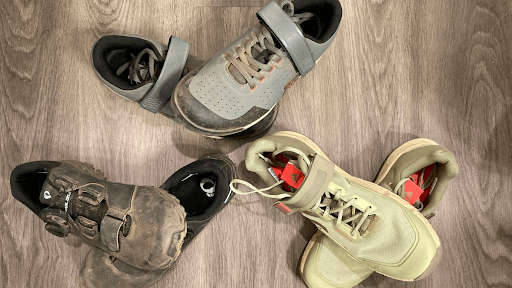
Outsole and Traction: The outsole of a sneaker, responsible for providing grip and durability, can vary in design and material. Thick, durable outsoles with deep traction patterns may add weight to the shoe, making it more suitable for challenging terrains but also heavier.
Understanding these factors and their impact on sneaker weight is crucial for making a choice that aligns with your specific needs and priorities, whether you’re seeking lightweight running shoes, supportive basketball sneakers, or fashionable everyday footwear. The right balance between weight and features will ensure your sneakers provide the comfort, performance, and style you desire.
Also Read: How to Reduce Swelling After Foot Surgery
The World’s Most Lightweight Merino Wool Sneakers
Merino wool sneakers have gained popularity for their natural comfort, moisture-wicking properties, and sustainability. These sneakers are often sought after by those who want a blend of style, comfort, and eco-friendliness. However, some may be concerned about the weight of wool sneakers, as wool is generally known for its warmth and insulation properties.
The world of footwear has evolved, and innovative brands have introduced some of the lightest Merino wool sneakers available. These sneakers prioritize a balance between the benefits of Merino wool and a lightweight design. Here are some of the world’s most lightweight Merino wool sneakers:
- Allbirds Wool Runners: Allbirds is renowned for its sustainable approach to footwear. The Wool Runners feature a lightweight and breathable Merino wool upper that keeps your feet comfortable. They are known for their exceptional comfort and support.
- Giesswein Wool Knit Sneakers: Giesswein’s Wool Knit Sneakers are designed for those seeking a lightweight, versatile, and comfortable shoe. They use Merino wool for temperature regulation, moisture-wicking, and odor control.
- Woolrich Wool Sneakers: Woolrich offers a range of Merino wool sneakers that provide a blend of style and comfort. They prioritize lightweight design without compromising the benefits of Merino wool.
- Baabuk Sneakers: Baabuk is known for its commitment to sustainability and offers Merino wool sneakers that are lightweight, making them ideal for everyday wear. They also have a slipper-like comfort.
- Icebreaker Merino Sneakers: Icebreaker’s Merino wool sneakers are crafted with lightweight, breathable, and temperature-regulating wool to keep your feet cozy without excess weight.
These brands have recognized the demand for lightweight Merino wool sneakers and have successfully combined the benefits of wool with a design that won’t weigh you down. Whether you’re looking for active footwear, casual sneakers, or travel companions, these options offer the best of both worlds: the natural properties of Merino wool and a lightweight, comfortable design.
How Much Does a Sneaker Weight?
The weight of a sneaker can vary significantly depending on several factors, including the brand, model, size, and the materials used in its construction. On average, a single sneaker typically weighs between 9 ounces (255 grams) to 15 ounces (425 grams). This means that a pair of sneakers can weigh anywhere from 18 ounces (510 grams) to 30 ounces (850 grams) in total.
However, it’s essential to note that this is a general range, and there are exceptions. The weight of sneakers can vary based on their intended use and design. Here are some general guidelines:
- Lightweight Running Shoes: Running shoes are often designed to be lightweight to enhance speed and agility. They typically fall on the lower end of the weight range, with some models weighing as little as 6 ounces (170 grams) per shoe.
- Basketball Shoes: Basketball shoes are designed for support and cushioning, which may add to their weight. They often fall in the mid-range of the weight spectrum.
- Fashion Sneakers: Fashion-forward sneakers may prioritize style over athletic performance, and their weight can vary widely. Some fashion sneakers may be lightweight, while others may be on the heavier side due to design elements.
- Specialized Athletic Shoes: Athletic shoes designed for specific sports, such as hiking boots or cross-training shoes, may be heavier to provide the necessary support, protection, and durability for those activities.
- Size and Model: The size of the sneaker can also affect its weight, as larger sizes naturally have more material. Additionally, certain models within a brand’s lineup may include extra features or materials that increase their weight compared to more basic models.
When choosing sneakers, it’s essential to consider not only their weight but also their intended use. The ideal weight of sneakers can vary based on your preferences, whether you prioritize speed, support, comfort, or style.
Approximate Weight of Sneakers
The weight of sneakers can vary widely depending on several factors, including their design, intended use, materials, and size. Here are some approximate weight ranges for different types of sneakers:
Lightweight Running Shoes: Lightweight running shoes are designed for speed and agility. They typically weigh between 6 ounces (170 grams) to 10 ounces (280 grams) per shoe.
Standard Everyday Sneakers: Most standard sneakers for everyday wear fall in the range of 9 ounces (255 grams) to 15 ounces (425 grams) per shoe. This includes a wide range of casual, fashion, and lifestyle sneakers.
Basketball Shoes: Basketball shoes are known for their support and cushioning, which can add to their weight. On average, basketball shoes can weigh between 12 ounces (340 grams) to 16 ounces (450 grams) per shoe.
Hiking Boots: Hiking boots are typically heavier due to their rugged construction and additional features for support and durability. They often weigh between 16 ounces (450 grams) to 24 ounces (680 grams) per shoe.
Cross-Training Shoes: Cross-training shoes aim to provide versatility for various athletic activities. Their weight can range from 10 ounces (280 grams) to 14 ounces (400 grams) per shoe.
Fashion and Lifestyle Sneakers: Fashion-forward and lifestyle sneakers can vary widely in weight. Some lightweight fashion sneakers may weigh as little as 8 ounces (225 grams) per shoe, while others with added design elements may be on the heavier side.
Specialized Athletic Shoes: Sneakers designed for specific sports, such as soccer, tennis, or golf, may have varying weights depending on the requirements of the sport.
Keep in mind that these are approximate weight ranges, and the actual weight of a specific sneaker may vary based on the brand, model, and size you select. When choosing sneakers, it’s important to consider the type of activity you’ll be using them for and your personal preferences regarding weight, support, and comfort.
How Much Do Sneakers Weight? Unveiling the Secrets
Sneakers are not merely footwear; they are a statement of style, performance, and comfort. In the world of footwear, weight plays a significant role in determining the suitability of a pair of sneakers for various activities and preferences.
As we embark on this journey to explore the weight of sneakers, we’ll uncover the factors that contribute to this seemingly simple yet crucial characteristic. In this comprehensive guide, we will delve into the intriguing world of sneaker weight, addressing key questions, such as:
- What is the average weight of sneakers? We will provide you with a range to serve as a benchmark.
- What factors influence the weight of sneakers? From materials to design and purpose, we’ll examine the variables that come into play.
- How does sneaker weight impact your experience? Whether you’re an athlete seeking performance or a fashion-conscious individual, we’ll explore the implications of sneaker weight.
- How do various types of sneakers differ in weight? Running shoes, basketball sneakers, hiking boots, and fashion-forward designs all have unique considerations when it comes to weight.
- What should you consider when choosing the right weight for your sneakers? We’ll offer guidance on selecting sneakers that align with your preferences and activities.
- What are the lightest sneakers on the market? For those who prioritize a featherlight feel, we’ll introduce you to some of the world’s most lightweight sneaker options.
As we uncover the secrets of sneaker weight, you’ll gain a deeper understanding of this fundamental aspect of footwear. Whether you’re striving for peak athletic performance or simply seeking the perfect pair of stylish kicks, the weight of your sneakers will take on new significance.
How Much Does The Average Pair Of Shoes Weight?
The weight of an average pair of shoes can vary widely depending on the type of shoes, materials used, size, and design. However, as a general guideline, an average pair of shoes typically weight between 2 to 4 pounds (0.9 to 1.8 kilograms). Keep in mind that this is a broad estimate, and the actual weight can be more or less depending on the specific characteristics of the shoes. Here are some general weight ranges for different types of shoes:
Dress Shoes: A pair of lightweight dress shoes, like loafers or oxfords, may weigh around 2 to 3 pounds (0.9 to 1.4 kilograms) in total.
Sneakers: Athletic sneakers for everyday wear typically weigh between 2.5 to 3.5 pounds (1.1 to 1.6 kilograms) per pair.
Hiking Boots: Hiking boots, designed for rugged terrains and durability, are generally heavier, with a pair weighing between 3 to 4.5 pounds (1.4 to 2 kilograms).
Running Shoes: Lightweight running shoes may fall in the range of 1.5 to 2.5 pounds (0.7 to 1.1 kilograms) per pair.
Winter Boots: Winter boots, built to provide insulation and protection from the cold, are often on the heavier side, with a pair weighing between 4 to 5.5 pounds (1.8 to 2.5 kilograms).
High Heels: Women’s high-heeled shoes, depending on the height of the heel and the materials used, may weigh between 2 to 3 pounds (0.9 to 1.4 kilograms) per pair.
It’s important to remember that these are rough estimates, and the actual weight of a pair of shoes can vary based on brand, model, and size. When selecting shoes, consider the intended use and your personal preferences regarding weight, style, and comfort.
Conclusion: Deciphering the Weight of Sneakers
In our quest to understand the weight of a pair of sneakers, we’ve unveiled a world of intricate details that impact the seemingly simple characteristics of footwear. The weight of sneakers, far from being a trivial aspect, carries significant implications for athletic performance, comfort, and personal style.
Through this comprehensive guide, we’ve explored the factors influencing sneaker weight, from the materials used to the design, purpose, and technology integrated into each pair. We’ve learned that different types of sneakers, whether for running, basketball, hiking, or fashion, have unique considerations when it comes to weight.
Understanding the implications of sneaker weight on various aspects of our lives has equipped us to make informed choices when selecting the perfect pair. Athletes seeking lightweight speed, fashion-conscious individuals prioritizing style, and all those in between can now appreciate the importance of sneaker weight.
Whether you’re sprinting toward a finish line, stepping onto the court, or strolling down the street in fashionable kicks, the weight of your sneakers becomes a central factor in your experience. With the knowledge gained from this guide, you can confidently select sneakers that align with your specific needs and preferences.
As you lace up your sneakers, remember that their weight is more than just a number; it’s a dynamic aspect that impacts how you move, feel, and express your personal style. With the right pair of sneakers, you can stride forward with confidence, knowing that you’ve found the perfect balance between weight and functionality.
FAQs
What is the average weight of a standard pair of sneakers?
Understanding the typical weight range for sneakers can help consumers choose the right pair for their needs, whether for athletic performance or everyday wear.
Do different types of sneakers have varying weights?
Exploring the differences in weight between running shoes, basketball sneakers, hiking boots, and fashion-forward kicks can help individuals make informed choices based on their intended use.
How do materials impact the weight of sneakers?
Sneakers are constructed from various materials, each with its own weight and benefits. Discovering how materials influence the overall weight can aid in selecting the ideal pair.
What is the lightest sneaker on the market, and why is it so lightweight?
Learning about the world’s lightest sneakers and the technology and materials that make them exceptionally lightweight can be insightful for those who prioritize a featherlight feel.
Is the weight of sneakers important for athletic performance?
Athletes often seek the perfect balance between weight and support in their sneakers. Exploring the relationship between sneaker weight and athletic performance can provide valuable insights.