

In this comprehensive guide, we will delve into the world of shoe weight and explore the various factors that contribute to it. The weight of a shoe might seem like a simple and inconsequential detail, but in reality, it’s a factor that can significantly affect our comfort, performance, and overall well-being.
When we slip on a pair of shoes, we rarely consider the weight beyond its basic functionality of protecting our feet. However, whether you’re an athlete striving for peak performance, a hiker trekking through rugged terrain, or simply someone seeking everyday comfort, the weight of your footwear plays a crucial role in your experience.
You’ll discover that the weight of a shoe is not just about ounces or grams; it’s about how that weight impacts your mobility, agility, and endurance. We’ll cover different types of shoes, from running sneakers to hiking boots, and even fashion footwear, to understand how weight varies across these categories.
The materials used, the shoe’s purpose, and the design elements all influence its weight. Whether you’re focused on performance, fashion, or a balance of both, understanding these elements empowers you to make informed choices when selecting the right pair of shoes for your needs.
Just like: How Much Does Shoes Weight | Unveiling the Truth
We’ll also delve into the importance of weight for athletes, outdoor enthusiasts, and those who simply desire comfortable, everyday shoes. Every step you take is affected by the weight of your shoes, and finding that perfect balance between lightness and durability can enhance your overall experience.
Join us as we uncover the hidden world of shoe weight, shedding light on how this seemingly small detail can have a significant impact on your life, from the track to the trails and beyond.
Understanding the Anatomy of a Shoe Weight
To truly grasp how the weight of a shoe is determined and why it matters, we must first delve into the intricacies of a shoe’s construction. In this section, we will explore the various components that make up a shoe and how each contributes to its overall weight.
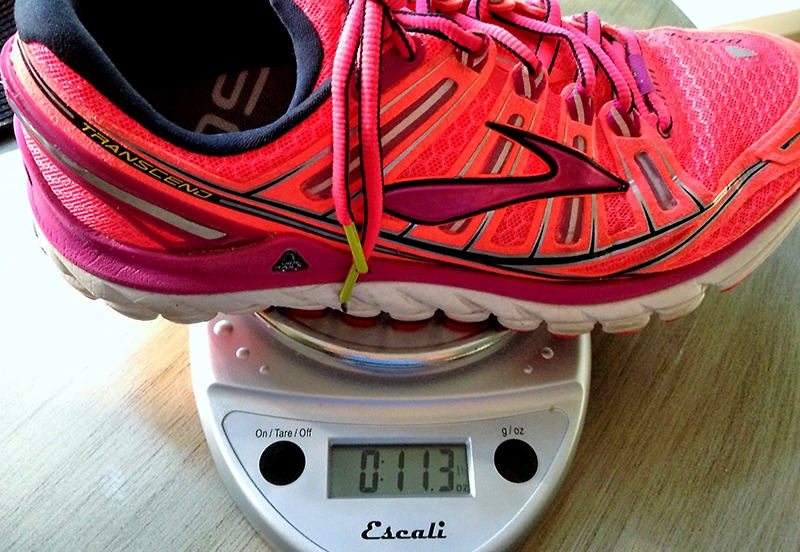
1. Upper Material:
The upper of a shoe, the part that covers your foot, is usually constructed from materials such as leather, synthetic fabrics, or knit. The choice of material directly impacts the shoe’s weight. Leather, for example, tends to be heavier than lighter and more breathable synthetic materials.
2. Midsole:
The midsole, located between the outsole and insole, plays a pivotal role in cushioning, support, and weight. It can be made from various materials like ethylene vinyl Acetate (EVA) or polyurethane. The midsole’s material and design influence the shoe’s overall weight.
3. Outsole:
The outsole, which contacts the ground, is typically composed of rubber or other materials. Its thickness and density can significantly affect the shoe’s weight. Denser and thicker outsoles contribute to a heavier shoe.
4. Insole:
The insole provides an additional layer of cushioning and arch support. The choice of insole material, whether it’s foam or gel, can have an impact on the shoe’s overall comfort and, to some extent, its weight.
5. Lining:
The lining inside the shoe influences moisture management and breathability. A well-designed lining can reduce weight by keeping your feet dry and comfortable, even during prolonged wear.
Understanding these components and how they contribute to the overall weight of a shoe is crucial when selecting the right pair for your specific needs. Different shoes, from running sneakers to hiking boots and casual fashion footwear, have distinct variations in their anatomy, each catering to specific use cases and comfort preferences.
By examining these components closely, you can make informed decisions when choosing shoes that meet your protection and comfort requirements while minimizing unnecessary weight.
Upper
The upper of a shoe forms the part that covers and surrounds your foot. This component plays a crucial role in the shoe’s overall weight and aesthetics. The choice of upper material and design directly impacts the shoe’s weight.
Common upper materials include leather, synthetic fabrics, and knits. Leather, while durable and protective, can be heavier compared to lighter synthetic materials. Additionally, the upper design, such as the presence of overlays or reinforcements, can add weight.
Sole
The sole of a shoe is responsible for the connection between your feet and the ground. It has two main components: the outsole and the midsole. The outsole, which contacts the ground, is typically made of rubber or other materials.
Its thickness, density, and tread pattern can influence the shoe’s overall weight. Denser and thicker outsoles tend to add to the shoe’s weight. The midsole, located between the outsole and insole, contributes to cushioning and support. The choice of midsole material, like Ethylene-Vinyl Acetate (EVA) or polyurethane, affects the shoe’s weight.
Insole
The insole, positioned inside the shoe, enhances cushioning and provides arch support. It contributes to the overall comfort of the shoe and, to some extent, its weight. The insole’s material, which can range from foam to gel, is a factor that influences both comfort and the shoe’s weight.
Heel
The heel of a shoe is another component that can have an impact on the shoe’s weight. Heel designs can vary widely, with some shoes featuring a substantial heel for added support or aesthetics.
The material and height of the heel can contribute to the overall weight of the shoe. High heels, for instance, add more weight to the shoe compared to flat or low-heeled designs.
Understanding these specific components and their impact on a shoe’s weight is essential for making informed decisions when selecting footwear for your specific needs and preferences.
Different types of shoes have distinct variations in their upper, sole, insole, and heel designs, each catering to specific use cases and comfort requirements. By examining these components, you can find shoes that not only offer the desired protection and support but also ensure a comfortable and agile experience during use.
Just Like: How Much Do Snowboard Boots Weight
The Weighty Truth about Shoe Weight
The weight of a shoe is a factor that often goes unnoticed until it becomes a source of discomfort or fatigue. In this section, we will delve deeper into the significance of shoe weight, shedding light on its impact on our daily lives, from sports performance to casual wear.
1. Athletic Performance:
For athletes, the weight of their sports shoes can be a game-changer. Whether you’re a runner, a basketball player, or a hiker, the weight of your athletic shoes can directly affect your speed, agility, and endurance. Understanding the weight of your sports shoes and selecting the right balance between protection and agility is vital for peak performance.
2. Hiking and Outdoor Activities:
When venturing into the great outdoors, the weight of your hiking or outdoor footwear can determine how far and how comfortably you can go. Heavy hiking boots may provide durability and protection but can also lead to fatigue on long treks. Knowing how to strike a balance between weight and support is essential for enjoying the wilderness.
3. Everyday Comfort:
In our daily lives, the shoes we wear for work, errands, and social activities can greatly impact our overall comfort. Heavy shoes can lead to tired feet and legs at the end of a long day. Recognizing the importance of shoe weight can guide our choices in selecting everyday footwear that keeps us comfortable and energized.
4. Fashion and Style:
Even in the realm of fashion, shoe weight can influence our style choices. Heavier fashion shoes may exude a certain presence and aesthetic, while lighter options offer a more agile and comfortable experience. Understanding how shoe weight contributes to the overall look and feel of an outfit allows us to make style-conscious decisions.
By acknowledging the weight of our shoes and how they relate to our specific activities and preferences, we can make informed decisions when selecting the right footwear for every occasion.
Achieving the ideal balance between weight and comfort is key to enhancing our performance, enjoyment, and well-being in various aspects of life, from sports and outdoor adventures to everyday comfort and personal style.

Athletic Shoes
Athletic shoes encompass a wide range of footwear designed for sports and physical activities. In this section, we will explore the weight considerations for athletic shoes, including running sneakers, basketball shoes, and more. The weight of athletic shoes can significantly impact an athlete’s performance, agility, and endurance, making it a crucial factor in sports gear selection.
1. Running Sneakers:
Running sneakers come in various styles, including lightweight trainers and cushioned running shoes. The weight of these shoes can influence a runner’s speed and energy expenditure, making it essential to find the right balance for individual running styles.
2. Basketball Shoes:
Basketball players rely on footwear that offers both support and agility. The weight of basketball shoes can affect a player’s ability to make quick cuts and jumps, making it a key consideration in performance on the court.
3. Cross-Training Shoes:
Cross-training shoes are versatile and designed for a range of physical activities. Their weight can impact the wearer’s comfort and performance during activities like weightlifting, aerobics, and more.
Hiking Boots
Hiking boots are essential for outdoor enthusiasts exploring various terrains. In this section, we will discuss the weight considerations for hiking boots. The weight of hiking boots can have a significant impact on a hiker’s endurance and comfort during extended treks.
1. Heavy-Duty Hiking Boots:
Heavy-duty hiking boots offer durability and protection on rugged terrain but can be weighty. Understanding the weight implications of these boots is crucial for planning long hikes.
2. Lightweight Hiking Shoes:
Some hikers opt for lightweight hiking shoes, which offer a balance between weight and protection. These shoes are ideal for those seeking agility without compromising on durability.
Dress Shoes
Dress shoes encompass a range of footwear designed for formal and semi-formal occasions. In this section, we will explore the weight considerations for dress shoes. The weight of dress shoes can influence comfort and style choices, making it relevant in fashion-conscious decisions.
1. Formal Dress Shoes:
Formal dress shoes, such as Oxfords and Derby shoes, are often constructed with sturdy materials that can add weight. Recognizing the weight of these shoes is important for individuals who need to balance style and comfort during formal events.
2. Lightweight Dress Shoes:
Some dress shoes, like loafers, are designed to be lightweight and comfortable. These options cater to those who prioritize comfort and agility while maintaining a stylish appearance.
Understanding the weight dynamics of athletic shoes, hiking boots, and dress shoes is essential for making informed footwear choices that align with specific activities and preferences.
Whether you’re an athlete striving for peak performance, an outdoor enthusiast embarking on hiking adventures, or an individual seeking style and comfort in dress shoes, the weight of your footwear can impact your experience in profound ways.
Why Does Shoe Weight Matter?
The weight of your shoes might appear as a minor detail, but they hold substantial importance in various aspects of our daily lives. In this section, we will delve into the reasons why shoe weight matters and how it can influence our performance, comfort, and overall well-being.
1. Athletic Performance:
In sports and physical activities, shoe weight can be a game-changer. Lightweight athletic shoes can improve speed, agility, and endurance, while heavy shoes may hinder performance. Athletes often seek the ideal balance to maximize their potential.
2. Endurance and Fatigue:
When embarking on extended activities like hiking or walking, the weight of your shoes can significantly impact endurance and comfort. Lighter shoes reduce the strain on your legs and feet, helping you go the distance with less fatigue.
3. Comfort and Well-Being:
In everyday life, the shoes we wear for work, errands, or social activities influence our overall comfort and well-being. Heavy shoes can lead to tired feet, aching legs, and discomfort at the end of the day. Recognizing the importance of shoe weight can guide our choices to maintain comfort and energy.
4. Style and Aesthetics:
Shoe weight can also play a role in fashion choices. Heavier shoes may exude a certain presence and aesthetic, while lighter options offer agility and comfort. Understanding how shoe weight contributes to the overall look and feel of an outfit helps us make style-conscious decisions.
5. Foot Health:
The weight of your shoes can impact your foot health. Heavy shoes can exert extra pressure on your feet, potentially leading to issues like plantar fasciitis or shin splints. Choosing lighter and supportive footwear is essential for foot health.
6. Job Performance:
For individuals with physically demanding jobs, the weight of their work boots or shoes is a critical factor. Lighter footwear can reduce fatigue and discomfort during long workdays, enhancing overall job performance and well-being.
7. Versatility and Adaptability:
Shoe weight also affects the adaptability of footwear. Lighter shoes are versatile and can be used for various activities, while heavier, specialized shoes may be less adaptable.
Understanding the multifaceted reasons why shoe weight matters empowers us to make informed decisions when selecting the right footwear for specific activities and lifestyles.
Whether you’re an athlete aiming for peak performance, an outdoor enthusiast exploring nature, or an individual seeking comfort and style in everyday life, recognizing the significance of shoe weight is key to enhancing your overall experience.
Depending on Your Activities and Needs
The weight of your shoes isn’t a one-size-fits-all consideration; it varies depending on your specific activities and needs. In this section, we will explore how shoe weight should be tailored to different purposes and lifestyles.
1. Athletic Performance:
Athletes require specialized footwear to enhance their performance. Sprinters benefit from lightweight running shoes that minimize drag, while weightlifters need stable, supportive shoes that anchor them to the ground. The weight of the shoe aligns with the demands of the sport.
2. Outdoor Adventures:
Hikers, mountaineers, and outdoor enthusiasts depend on shoes that provide protection and comfort during extended treks. The choice between heavy-duty hiking boots and lightweight hiking shoes depends on the terrain and the duration of the adventure.
3. Work and Occupational Needs:
Individuals with physically demanding jobs, such as construction workers, need protective work boots that are comfortable for long shifts. Balancing weight and safety features is crucial for job performance and well-being.
4. Everyday Comfort:
For daily activities and casual wear, comfort takes precedence. Choosing lightweight and supportive shoes is essential to ensure that you can go about your daily routines without discomfort or fatigue.
5. Style and Aesthetics:
Fashion-conscious individuals may prioritize style and aesthetics in their footwear. Shoe weight can impact the overall look and feel of an outfit, guiding choices that cater to both fashion and comfort.
6. Foot Health:
Those with foot conditions or concerns related to foot health should select shoes that offer proper support and cushioning. Shoe weight plays a role in alleviating or exacerbating these concerns.
7. Versatility and Adaptability:
Some individuals prefer versatile shoes that can adapt to a range of activities. Lighter, more agile footwear is an excellent choice for those who want a single pair of shoes for multiple purposes.
Recognizing that shoe weight should be tailored to your specific activities and needs empowers you to make informed footwear choices.
Whether you’re an athlete striving for peak performance, an outdoor enthusiast seeking comfort during hikes, or an individual who values style and comfort in daily life, understanding how shoe weight relates to your lifestyle allows you to find the perfect balance between protection and wearability.
Performance
Shoe weight plays a pivotal role in determining the performance of various footwear, particularly in athletic and physically demanding activities. In this section, we will delve into how shoe weight influences performance, agility, and overall success in different contexts.
1. Athletic Performance:
In sports, the weight of athletic shoes can be a deciding factor in an athlete’s performance. Sprinters often prefer lightweight footwear to reduce drag, while basketball players may seek a balance between support and agility.
2. Speed and Agility:
Lighter shoes can enhance speed and agility in sports and physical activities. Reduced weight allows for quicker movements, making it an essential consideration for athletes aiming to gain a competitive edge.
3. Energy Efficiency:
In endurance sports, such as distance running or cycling, lighter shoes can improve energy efficiency. Less weight means less energy spent lifting your feet with each stride, which can lead to better endurance.
4. Quick Reactions:
In sports that require rapid changes in direction, like tennis or soccer, the weight of shoes can affect a player’s ability to make quick reactions. Lighter shoes facilitate swift movements on the court or field.
Foot Health
The weight of your shoes also has implications for your foot health. In this section, we will explore how shoe weight can impact the well-being of your feet and lower limbs.
1. Support and Comfort:
Proper arch support and cushioning are essential for foot health. Heavier shoes may exert additional pressure on your feet, leading to discomfort and potential issues like plantar fasciitis or shin splints.
2. Pronation and Supination:
Shoe weight can influence your gait and the way your foot strikes the ground. Understanding how your shoes affect pronation (inward rolling of the foot) or supination (outward rolling) is important for preventing injuries and maintaining foot health.
3. Orthotic Use:
Individuals who require custom orthotics for foot conditions may need to consider shoe weight. Lighter shoes are often more compatible with orthotic devices, ensuring that you receive the necessary support and comfort.
4. Weight Distribution:
The weight distribution of your shoes can impact your posture and the stress placed on your feet. Choosing shoes that distribute weight evenly can contribute to better foot health.
Durability
The durability of your shoes is influenced by various factors, including their weight. In this section, we will discuss how shoe weight relates to the long-lasting performance of footwear.
1. Material Durability:
Heavier shoes, often made with robust materials, tend to be more durable. These shoes can withstand wear and tear over an extended period, making them a suitable choice for activities where longevity is crucial.
2. Specialty Footwear:
Some specialized footwear, like work boots for construction or industrial settings, may have added weight due to reinforced materials. This extra weight can contribute to their durability in demanding conditions.
Understanding the intricate relationship between shoe weight, performance, foot health, and durability empowers you to make informed footwear choices that cater to your specific activities and well-being.
Whether you’re an athlete, someone concerned about foot health, or an individual who needs long-lasting footwear for challenging conditions, recognizing the impact of shoe weight on these aspects is key to making wise decisions.
Conclusion: Balancing the Scales of Shoe Weight
Shoe weight, often overshadowed by other considerations, emerges as a pivotal factor that influences various facets of our lives.
The weight of our footwear affects our athletic performance, endurance during outdoor adventures, comfort in everyday life, style choices, and even the well-being of our feet. Understanding this often-overlooked element is crucial to achieving a harmonious balance in the footwear we choose.
In the realm of athletic performance, shoe weight can be the determinant of success. Athletes, from sprinters to basketball players, rely on lightweight shoes to gain a competitive edge. Lighter footwear fosters speed, agility, and energy efficiency, making it an essential consideration in the world of sports.
Outdoor enthusiasts and hikers recognize the significance of shoe weight in their journeys. The choice between heavy-duty hiking boots and lightweight hiking shoes can determine the distance they can trek and the comfort they can maintain.
For those engaged in physically demanding jobs, the right balance between weight and safety features ensures job performance and well-being. In our everyday lives, the comfort of our shoes plays a crucial role in our well-being.
Heavy shoes can lead to fatigue and discomfort, influencing our moods and overall energy. Even in the world of fashion, shoe weight can impact our style choices, as we consider the presence and aesthetics that our footwear brings to our outfits.
Foot health, too, is intimately tied to the weight of our shoes. Proper support and cushioning are essential for overall well-being. Heavier shoes may exert unnecessary pressure on our feet, potentially leading to discomfort or foot conditions.
Lastly, the durability of our shoes can be related to their weight. While lighter shoes offer agility, heavier shoes constructed with robust materials tend to be more durable. For specialized footwear designed for challenging conditions, the added weight often comes with added durability.
In our journey through the world of shoe weight, we’ve uncovered the complex interplay between performance, comfort, style, well-being, and durability. Each of us must strike a balance that aligns with our unique needs and activities.
With this newfound understanding, we can confidently navigate the array of footwear options and select the perfect pair that enhances our daily experiences, whether we’re athletes aiming for the podium, hikers conquering nature’s trails, or individuals seeking everyday comfort and style.
Frequently Asked Questions
Why does the weight of a shoe matter?
Shoe weight can affect your performance, comfort, and overall well-being in various activities.
Do heavier shoes last longer?
Heavier shoes often feature durable materials, making them suitable for extended use.
Are lighter shoes better for running?
Lighter running shoes can enhance speed and agility, but the ideal choice depends on your running style.
How does shoe weight impact foot health?
Heavier shoes may exert additional pressure on your feet, potentially leading to discomfort or foot conditions.
Can the weight of my shoes affect my athletic performance?
Yes, the weight of your athletic shoes can significantly impact your speed, agility, and endurance in sports.
What should I consider when choosing hiking boots based on weight?
The terrain and the duration of your hiking adventure should guide your choice between heavy-duty boots and lightweight options.
Are there lightweight dress shoes that are still stylish?
Yes, lightweight dress shoes can be stylish and comfortable, offering a balance between fashion and agility.
Do shoe weight and style go hand in hand?
Shoe weight can influence the overall look and feel of an outfit, affecting style choices.
What is the ideal weight for everyday casual shoes?
Everyday casual shoes should strike a balance between protection and comfort, with weight varying based on your daily activities.
Do lighter shoes help prevent foot fatigue in everyday life?
Lighter shoes can reduce the strain on your legs and feet, contributing to comfort and reducing fatigue during daily activities.