

Ski boots are designed to provide a secure fit and transmit your movements to the skis, but they don’t offer much insulation on their own. Skiing is an exhilarating winter sport that promises adventure and excitement on the slopes.
However, as any seasoned skier knows, cold toes can quickly turn a thrilling day into a chilly and uncomfortable one. Whether you’re hitting the powdery trails or carving through groomed slopes, ensuring your toes stay warm in your ski boots is crucial for an enjoyable day on the mountain.
Related: How to Heal Cut on Bottom of Foot: Effective Care Tips
This means that your toes are particularly vulnerable to the frigid temperatures of the ski resort. To combat the chill and maintain comfort throughout your ski day, it’s essential to take proactive steps to keep your toes warm.
In this comprehensive guide, we’ll explore a range of tips and techniques to help you tackle the challenge of cold toes while skiing. From choosing the right ski socks and boot fitting to employing effective foot-warming strategies, you’ll learn how to make the most of your skiing adventure while keeping your toes snug and toasty.
No skier should let cold toes dictate the pace of their day on the slopes. By understanding the science behind heat retention, recognizing common mistakes, and implementing practical solutions, you can ensure that your ski trips are enjoyable from the first chairlift to the last run of the day. So, whether you’re a seasoned pro or hitting the slopes for the first time, read on to discover the secrets of keeping your toes warm and your ski adventures thrilling.
8 Tips to Keep Your Feet Warm While Skiing
When hitting the slopes for a day of skiing, keeping your feet warm is essential for both comfort and performance. Cold toes can quickly turn an enjoyable experience into a chilly ordeal. To ensure your feet stay cozy and warm, consider these tips:
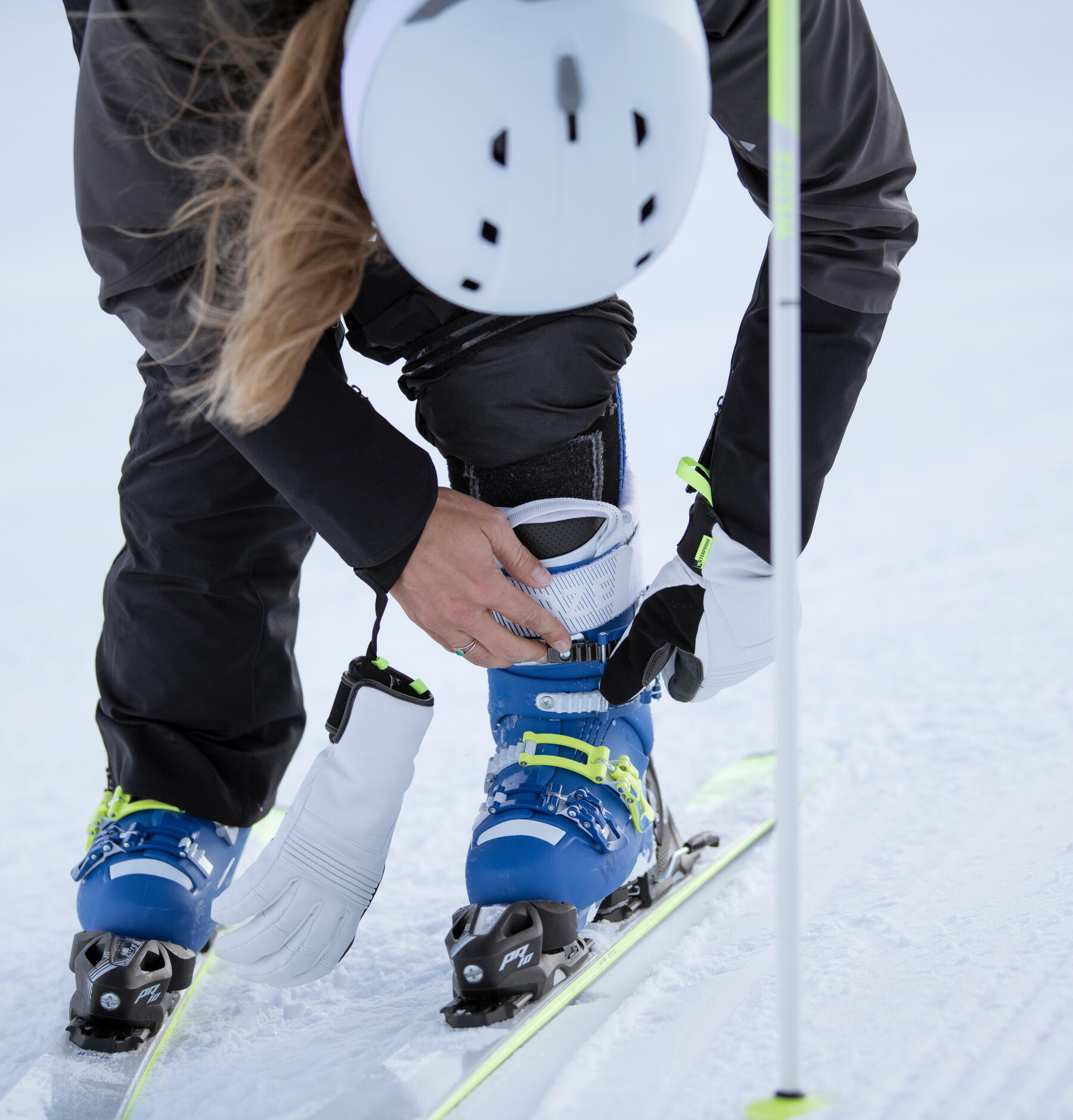
Wear Thin Ski Socks: Contrary to what you might think, thinner ski socks are often better for keeping your feet warm. They provide a snug fit inside your ski boots, which is crucial for maintaining warmth.
Don’t Over-tighten Your Lower Buckles: While it’s important to secure your ski boots, over-tightening the lower buckles can constrict blood flow and lead to cold feet. Find the right balance between support and comfort.
Wear the Correct Size Ski Boots: Ill-fitting boots can lead to discomfort and cold feet. Ensure your ski boots are the right size and provide enough room for your toes to wiggle slightly without being overly spacious.
Keep Your Feet Dry: Moisture is your enemy when it comes to warmth. Invest in moisture-wicking ski socks and consider using footpowder to keep your feet dry.
Use Boot Heaters: Battery-powered boot heaters can be a game-changer for cold feet. They provide consistent warmth and are a valuable addition to your skiing gear.
Toe Warmers and Foot Warmers: Disposable toe warmers or foot warmers can be placed inside your boots for extra warmth. They’re easy to use and can provide hours of heat.
Take Regular Breaks: If you’re skiing for extended periods, make sure to take breaks and warm up your feet in a lodge. Wiggling your toes and letting your feet breathe for a few minutes can make a significant difference.
Proper Foot Circulation: Ensure that your ski boots are not too tight, as this can impede blood circulation. Gently move your toes and ankles periodically to keep blood flowing.
By implementing these tips, you’ll be better equipped to enjoy your day on the slopes with toasty warm feet. Remember that maintaining warmth is a balance between insulation, proper boot fitting, and good circulation.
Related: How to Clean White Cheer Shoes: Step-by-Step Cleaning Guide
How do you Keep Your Feet Warm, When Skiing for Hours on End?
Keeping your feet warm during long hours of skiing is crucial for both comfort and performance. Here are some strategies to help you maintain warm and toasty feet throughout your skiing adventures:
Quality Ski Socks: Invest in high-quality ski socks designed to wick moisture away from your skin while providing insulation. Merino wool or synthetic materials are excellent choices for ski socks.
Layering: Consider using a thin moisture-wicking sock as a base layer and a thicker, insulating sock as the top layer. This dual-layer approach can help keep your feet warm without sacrificing moisture control.
Boot Heaters: Battery-powered boot heaters or heated insoles can be a lifesaver for skiers spending long hours on the slopes. They provide consistent warmth and are especially valuable in extremely cold conditions.
Toe and Foot Warmers: Disposable toe warmers and foot warmers are easy to use and can provide hours of heat. Simply stick them to your socks or the inside of your ski boots before hitting the slopes.
Boot Fit: Ensure your ski boots are the right size and fit snugly without being overly tight. Proper boot fitting allows for better circulation and helps prevent cold feet.
Regular Breaks: Take periodic breaks to warm up in a lodge or shelter. Remove your boots, wiggle your toes, and allow your feet to breathe. This can make a significant difference in maintaining warmth.
Keep Moving: Maintain good circulation by moving your toes and ankles regularly while skiing. Even gentle wiggling inside your boots can help.
Warm-Up Exercises: Before hitting the slopes, perform some warm-up exercises to get your blood flowing. This will help your body distribute heat more effectively to your extremities.
Stay Dry: Moisture is the enemy of warmth. Use moisture-wicking ski socks and consider carrying spare socks to change into if your feet get damp.
Insulated Ski Boots: If you frequently ski in extremely cold conditions, consider investing in insulated ski boots. These boots have additional insulation to keep your feet warm.
Ski Boot Covers: Neoprene or other boot covers can add an extra layer of insulation and protect your boots from wind and moisture.
By combining these strategies, you can significantly improve your ability to keep your feet warm while skiing for extended periods, allowing you to fully enjoy your time on the slopes.
Are you Fed-Up With Having Cold Feet When Wearing Ski Boots?
Addressing cold feet while wearing ski boots is a common concern for skiers. If you’re tired of experiencing this discomfort, there are several strategies you can employ to keep your feet warm and maintain your skiing enjoyment.
From selecting the right ski socks to using boot heaters and taking regular breaks to warm up, there are practical solutions to help you combat the challenge of cold feet in ski boots.
In this section, we’ll explore various tips and techniques to ensure that you no longer have to deal with cold feet while skiing, allowing you to make the most of your time on the slopes.

How to Keep Your Feet Warm While Skiing
When it comes to enjoying a day on the slopes, keeping your feet warm is crucial. Cold toes can quickly turn your skiing adventure into an uncomfortable experience. Here are some strategies to ensure your feet stay warm and cozy while skiing:
Wear Thin Ski Socks: Contrary to what you might think, thinner ski socks are often better for warmth. They provide a snug fit inside your ski boots, which is essential for heat retention.
Open Your Ski Boots When Resting: During breaks or while on the ski lift, consider loosening your ski boot buckles or even removing your boots briefly to allow your feet to breathe and warm up.
Wear the Right Ski Boots: Properly fitted ski boots are key to keeping your feet warm. They should be snug but not too tight, allowing for good circulation.
Try Disposable Boot Warmers: Disposable toe warmers or foot warmers can be placed inside your boots for extra warmth. They’re easy to use and provide hours of heat.
Install Ski Boot Heaters: Battery-powered boot heaters are a game-changer for cold feet. They provide consistent warmth and are an excellent addition to your skiing gear.
Use BootGloves: Neoprene boot covers, often called BootGloves, can add insulation and protect your boots from wind and moisture, helping to maintain warmth.
By incorporating these strategies, you’ll be better prepared to enjoy your time on the slopes with toasty warm feet. Remember that maintaining warmth is a balance between insulation, proper boot fitting, and good circulation.
5 Tips for Keeping Your Feet Warm While Skiing 2023
Maintaining warm and comfortable feet is essential for an enjoyable skiing experience. Here are five tips for keeping your feet warm while hitting the slopes in 2023:
Choose the Right Ski Socks: Opt for thin, moisture-wicking ski socks. Look for high-quality materials like Merino wool or synthetic blends. Avoid cotton socks, as they retain moisture and can lead to cold feet.
Properly Fit Your Ski Boots: Ensure your ski boots are the correct size and fit snugly without being overly tight. A well-fitted boot allows for better circulation and helps prevent cold feet.
Warm-Up Exercises: Prior to skiing, perform some warm-up exercises to get your blood flowing. This will help your body distribute heat more effectively to your extremities.
Boot Heaters: Consider investing in battery-powered boot heaters or heated insoles. These devices provide consistent warmth and are especially valuable on extremely cold days.
Regular Breaks: Take periodic breaks to warm up in a lodge or shelter. Remove your boots, wiggle your toes, and allow your feet to breathe. This can make a significant difference in maintaining warmth.
By following these tips and strategies, you’ll be better equipped to ensure your feet stay warm and cozy while skiing in 2023, allowing you to fully enjoy your time on the slopes.
The Secret to Warm Hands & Feet While Skiing
Skiing is a fantastic winter sport, but cold hands and feet can quickly put a damper on your enjoyment. In this section, we’ll explore the reasons why hands and feet get cold while skiing and provide valuable tips on keeping them warm throughout your skiing adventures.
- Why Do Hands Get Cold While Skiing: Understanding the reasons behind cold hands while skiing is the first step toward warmth. We’ll delve into the causes and contributing factors, including exposure to cold temperatures and poor circulation.
- How to Keep Hands Warm While Skiing: We’ll share practical strategies for keeping your hands warm, such as choosing the right gloves or mittens, using hand warmers, and practicing proper hand care. Additionally, we’ll discuss techniques for maintaining warm feet in your ski boots, from selecting the correct socks to boot warmers and boot covers.
Discover the secrets to enjoying a cozy and comfortable skiing experience by ensuring your hands and feet remain warm, allowing you to make the most of your time on the slopes.
Why Do Feet Get Cold While Skiing
Cold feet while skiing can be attributed to several factors:
Cold Temperatures: Skiing typically takes place in cold winter conditions, which can significantly lower the temperature of your feet, especially if they are exposed to the elements.
Inadequate Insulation: If your ski boots or socks lack proper insulation, they won’t retain warmth effectively, allowing the cold to penetrate.
Moisture: Snow and sweat can make your feet wet. When moisture is trapped inside your ski boots, it can quickly cool down, leading to cold feet.
Poor Circulation: Tight or improperly fitted ski boots can constrict blood flow, preventing warm blood from reaching your feet.
Extended Exposure: Spending hours on the slopes can lead to prolonged exposure to the cold, making it difficult for your feet to stay warm.
Thin Socks: Thin socks do not provide sufficient insulation. It’s important to wear appropriate ski socks made from moisture-wicking and insulating materials.
Wind Chill: Wind can strip away heat from your feet, making them feel colder than the actual air temperature.
Lack of Movement: Standing or skiing for extended periods without moving your feet much can lead to decreased circulation and colder feet.
To combat cold feet while skiing, it’s essential to address these factors by choosing warm and moisture-wicking ski socks, ensuring your boots are properly fitted, taking regular breaks to warm up, and using additional aids like boot heaters or heated insoles if needed.
How to Keep Feet Warm While Skiing
Keeping your feet warm while skiing is crucial for a comfortable and enjoyable experience on the slopes. Here are some tips to help you maintain warm feet during your skiing adventures:
Choose the Right Ski Socks: Opt for high-quality ski socks made of moisture-wicking and insulating materials. Merino wool or synthetic blends are excellent choices. Avoid cotton socks, as they retain moisture and can lead to cold feet.
Properly Fit Your Ski Boots: Ensure your ski boots fit correctly. They should be snug but not overly tight. A well-fitted boot allows for proper circulation and warmth.
Warm-Up Exercises: Prior to skiing, perform some warm-up exercises to get your blood flowing. This will help your body distribute heat more effectively to your extremities.
Boot Heaters: Consider investing in battery-powered boot heaters or heated insoles. These devices provide consistent warmth and are especially valuable on extremely cold days.
Regular Breaks: Take periodic breaks in a lodge or shelter to warm up. Remove your boots, wiggle your toes, and allow your feet to breathe. This can make a significant difference in maintaining warmth.
Boot Covers: Neoprene or other boot covers can add an extra layer of insulation and protect your boots from wind and moisture, helping to maintain warmth.
Foot Warmers: Disposable toe warmers and foot warmers can be placed inside your boots for additional warmth. These are especially useful on extremely cold days.
Moisture Control: Moisture is the enemy of warmth. Use moisture-wicking ski socks and carry spare socks to change into if your feet get damp.
By implementing these strategies, you can significantly reduce the likelihood of cold feet in your ski boots and enjoy a more comfortable and enjoyable day on the slopes
How to Warm Up Ski Boots Before Skiing
Warming up your ski boots before hitting the slopes can help enhance your comfort and reduce the chances of having cold feet. Here are some effective methods to warm up your ski boots before skiing:
Boot Dryers: Boot dryers are specially designed to dry and warm your boots. They use a gentle heat to eliminate moisture and warm the interior of your boots. Simply place the boot dryers inside your boots for a few hours before you head out.
Heated Boot Bags: Some ski enthusiasts invest in heated boot bags, which not only store your boots but also warm them up. These bags have built-in heating elements to provide warmth and dryness.
Warm Room Temperature: Store your boots in a warm room or area the night before your ski day. A room with a slightly elevated temperature will help to pre-warm your boots naturally.
Use Boot Heaters: Battery-powered boot heaters or heated insoles can be installed in your boots to warm them up. These devices are a reliable way to ensure your boots are toasty when you put them on.
Boot Warmers: Some skiers prefer using portable boot warmers. These are small, battery-powered devices that can be inserted into your boots to warm them before you start skiing.
Sunlight: On a sunny day, you can place your boots in direct sunlight for a short time. Sunlight can naturally warm the boots and help reduce any initial chill.
Remember to avoid extreme heat sources like radiators or open flames, as these can damage your boots. Additionally, it’s a good practice to warm both your boots simultaneously to ensure even warmth and comfort.
Conclusion
In conclusion, maintaining warm toes in your ski boots is essential for a comfortable and enjoyable skiing experience. By following the tips and strategies outlined in this guide, such as choosing the right socks, properly fitting your ski boots, using boot warmers, taking regular breaks to warm up, and employing additional aids as needed, you can ensure that your feet stay warm and cozy while skiing.
This allows you to focus on the thrill of the slopes and enjoy your time in the snow without the discomfort of cold toes. So, gear up, stay warm, and make the most of your skiing adventures while keeping those toes toasty.
FAQs
- What type of socks should I wear to keep my toes warm in ski boots? Answer: Opt for high-quality ski socks made of moisture-wicking and insulating materials. Merino wool or synthetic blends are excellent choices. Avoid cotton socks, as they retain moisture and can lead to cold feet.
- How can I prevent my feet from getting cold during long skiing sessions? Answer: Take regular breaks to warm up in a lodge or shelter, remove your boots, wiggle your toes, and allow your feet to breathe. This can make a significant difference in maintaining warmth during extended skiing sessions.
- Are heated insoles or boot warmers necessary to keep toes warm in ski boots? Answer: While not necessary, heated insoles or boot warmers can provide consistent warmth, especially on extremely cold days. They are a valuable addition to your gear if you frequently ski in frigid conditions.
- Can I use disposable foot warmers inside my ski boots? Answer: Yes, disposable toe and foot warmers can be placed inside your boots for additional warmth. These are especially useful on extremely cold days when you need extra insulation.
- How can I warm up my ski boots before hitting the slopes? Answer: You can warm up your ski boots using methods like boot dryers, heated boot bags, or portable boot warmers. These devices help eliminate moisture and pre-warm your boots for a more comfortable skiing experience.
.
For a broader overview, see our The Ultimate Shoe Advice Guide: Best Shoes for Every Foot Need | FeetHealth guide.