

Plantar fasciitis, a common cause of heel pain, can be a source of considerable discomfort for those affected by it. While various treatment options are available, one that has gained popularity is the use of a boot cast or night splint to alleviate the symptoms associated with plantar fasciitis.
This article delves into the world of plantar fasciitis and explores the effectiveness of a boot cast in providing relief for this condition. Plantar fasciitis is characterized by inflammation of the plantar fascia, a thick band of tissue that runs along the bottom of your foot, connecting the heel bone to the toes.
Also Read: How to Clean Timberland Boots With Vinegar
It is often the result of excessive strain or overuse of the plantar fascia, leading to stabbing pain in the heel. The discomfort is typically most severe when taking the first steps after a period of rest, such as when getting out of bed in the morning.
Boot casts, or night splints, are designed to address this issue. They work by keeping the foot in a dorsiflexed position, meaning that the toes are elevated and the foot is flexed upward.
This position stretches the plantar fascia and Achilles tendon overnight, preventing them from tightening up, which often leads to the morning pain experienced by individuals with plantar fasciitis.
The effectiveness of a boot cast largely depends on the individual’s specific condition and the consistency of use. Some find considerable relief and a reduction in morning pain by wearing a boot cast, while others may not experience the same level of improvement.
It is essential to understand that a boot cast is just one aspect of the treatment plan for plantar fasciitis and may work best when combined with other strategies, such as exercises, stretching, and orthotics.
In the following sections, we will delve deeper into the mechanics of boot casts for plantar fasciitis, their benefits, and the factors that influence their effectiveness. Whether you’re exploring treatment options or seeking relief from plantar fasciitis, this article aims to provide valuable insights into the use of boot casts as a potential solution.
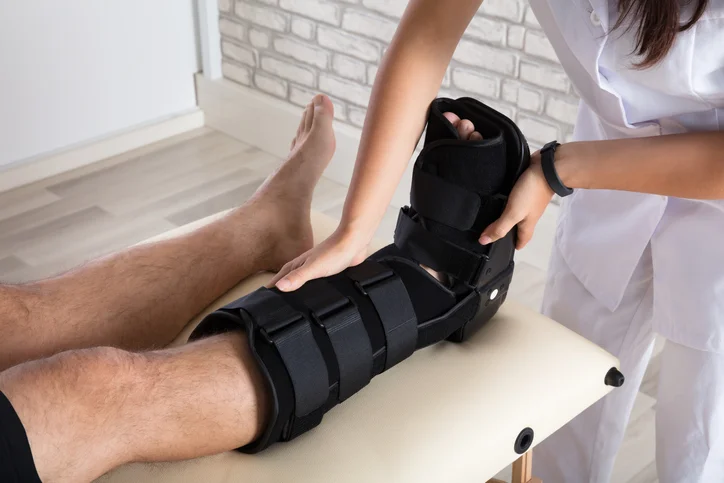
How Effective Is A Boot Cast for Plantar Fasciitis?
Plantar fasciitis, a condition characterized by inflammation of the plantar fascia, can be a painful and debilitating issue. For many, the discomfort associated with plantar fasciitis is most pronounced in the morning when taking the first steps.
To address this, one common treatment method is the use of a boot cast or night splint. In this section, we’ll explore the effectiveness of a boot cast for managing plantar fasciitis.
A boot cast, also known as a night splint, is a device designed to keep the foot in a dorsiflexed position during sleep. This position involves flexing the foot upward, with the toes pointing slightly toward the shin.
The purpose of wearing a boot cast is to provide a sustained, gentle stretch to the plantar fascia and Achilles tendon throughout the night, preventing them from tightening up during periods of rest.
The effectiveness of a boot cast in treating plantar fasciitis can vary from person to person. Many individuals find relief from morning heel pain and a reduction in the symptoms associated with plantar fasciitis when using a boot cast consistently.
This is because the prolonged stretch can help alleviate tension and reduce the strain on the plantar fascia, making those first steps in the morning less painful. The benefits of using a boot cast include improved mobility, reduced pain, and enhanced comfort, especially during the initial morning movements.
However, it’s important to note that while a boot cast can be effective, it may not be a standalone solution for everyone. The degree of effectiveness may depend on factors such as the severity of the condition, individual response to treatment, and compliance with wearing the device consistently.
In the following sections, we will delve deeper into the mechanics of boot casts, including how to use them, their potential advantages and limitations, and tips for maximizing their effectiveness as part of a comprehensive treatment plan for plantar fasciitis. If you’re seeking relief from this condition, understanding the role of a boot cast can be a crucial step in your journey toward improved foot health.
Understanding Plantar Fasciitis
Plantar fasciitis is a common and often painful condition that affects the plantar fascia, a thick band of tissue that runs along the bottom of your foot, connecting the heel bone to the toes. In this section, we will explore the fundamentals of plantar fasciitis, including what it is, its causes, and the typical symptoms associated with this condition.
What Is Plantar Fasciitis?
Plantar fasciitis is a disorder characterized by inflammation of the plantar fascia, which plays a vital role in supporting the arch of your foot and acts as a shock absorber during activities like walking and running. The plantar fascia is a fibrous band of tissue that extends from the heel bone (calcaneus) to the base of the toes, creating the arch of the foot.
Causes And Symptoms Of Plantar Fasciitis
Plantar fasciitis is often the result of excessive strain on the plantar fascia, leading to micro-tears in the tissue and inflammation. Several factors can contribute to the development of this condition:
Overuse: Engaging in activities that put excessive stress on the feet, such as long-distance running, standing for extended periods, or wearing shoes with inadequate arch support, can increase the risk of plantar fasciitis.
Age: As we age, the plantar fascia becomes less flexible and more prone to injury.
Foot Mechanics: Abnormal foot mechanics, such as high arches or flat feet, can alter the distribution of weight and pressure on the plantar fascia, leading to increased strain.
The symptoms of plantar fasciitis typically include:
Pain: The most common symptom is a sharp, stabbing pain in the heel, particularly when taking the first steps after a period of rest, such as when getting out of bed in the morning.
Pain That Improves: The pain often improves with movement but can return after periods of inactivity.
Heel Tenderness: The heel may be tender to the touch.
Swelling: Some individuals may experience mild swelling around the affected area.
In the following sections, we will explore various aspects of plantar fasciitis, including its diagnosis, treatment options, and preventive measures. Understanding this condition is the first step toward effectively managing and finding relief from the discomfort it brings.
The Role Of A Boot Cast In Treating Plantar Fasciitis
Plantar fasciitis, a condition characterized by inflammation and pain in the plantar fascia, can be a debilitating issue for many individuals. In the pursuit of relief, various treatment methods are available, and one of the options gaining prominence is the use of a boot cast. In this section, we will explore the role of a boot cast in treating plantar fasciitis and provide an understanding of what this device is.
What Is A Boot Cast?
A boot cast, also known as a night splint, is a medical device designed to address the discomfort associated with plantar fasciitis. It is typically worn during sleep to provide a sustained and gentle stretch to the plantar fascia and Achilles tendon.
The design of a boot cast involves keeping the foot in a dorsiflexed position. Dorsiflexion refers to the act of flexing the foot upward, with the toes pointing slightly toward the shin.
This position aims to elongate the plantar fascia and the Achilles tendon, preventing them from contracting or tightening during periods of rest, such as sleeping. By maintaining this stretched position, a boot cast can help alleviate the tension and strain on the plantar fascia.
The primary objective of a boot cast is to reduce the common symptom of plantar fasciitis: the sharp, stabbing pain experienced during the first steps in the morning. By maintaining a dorsiflexed position while sleeping, a boot cast can potentially mitigate this discomfort, making it more manageable for individuals with plantar fasciitis.
The effectiveness of a boot cast may vary from person to person, depending on factors such as the severity of the condition, individual response to treatment, and consistent use of the device.
In the following sections, we will delve deeper into how boot casts work, their benefits, and considerations for their use, providing insights for those seeking relief from plantar fasciitis.
How Does A Boot Cast Help With Plantar Fasciitis?
Plantar fasciitis can be a painful and debilitating condition, particularly when the first steps in the morning result in sharp heel pain. To address this issue, many individuals turn to boot casts, also known as night splints, as a part of their treatment plan. In this section, we will delve into how a boot cast can effectively assist in managing plantar fasciitis and the mechanisms behind its benefits.
Maintaining a Stretched Position:
The primary role of a boot cast in managing plantar fasciitis is to keep the foot in a dorsiflexed position during sleep. Dorsiflexion is the term used to describe the flexing of the foot upward, with the toes pointing slightly toward the shin. By maintaining this position, a boot cast ensures that the plantar fascia and Achilles tendon remain in a stretched state throughout the night.
Preventing Morning Pain:
The key benefit of dorsiflexion is that it prevents these tendons and tissues from tightening or contracting during periods of inactivity, particularly during sleep. It is this contraction, which often occurs overnight, that leads to the sharp pain experienced during the first steps in the morning for individuals with plantar fasciitis. The use of a boot cast helps alleviate this pain by ensuring that the plantar fascia and Achilles tendon remain extended, reducing the intensity of the morning discomfort.
Reducing Strain:
Plantar fasciitis is often the result of excessive strain on the plantar fascia. By maintaining a stretched position, a boot cast helps distribute this strain more evenly, reducing the burden on the plantar fascia. It also minimizes the risk of micro-tears and inflammation, which are common in this condition.

Enhanced Mobility:
Individuals who use a boot cast regularly may experience improved mobility and reduced pain, especially during the first movements of the day. The gradual stretching provided by the boot cast helps condition the plantar fascia to withstand the strain of daily activities.
The effectiveness of a boot cast for plantar fasciitis varies among individuals, and its benefits may be influenced by the severity of the condition and the consistency of use.
In the subsequent sections, we will explore various aspects of boot casts, including how to use them, their potential advantages, and tips for maximizing their effectiveness as part of a comprehensive treatment plan for plantar fasciitis.
Effectiveness Of A Boot Cast For Plantar Fasciitis
The use of boot casts, or night splints, as a treatment option for plantar fasciitis has gained popularity in recent years. This section delves into the effectiveness of boot casts for managing plantar fasciitis, drawing from both clinical studies and the experiences of patients who have used this method.
Clinical Studies On The Effectiveness Of Boot Casts:
Several clinical studies have explored the impact of boot casts on plantar fasciitis. While individual responses may vary, these studies provide valuable insights into the potential benefits of this treatment method. Some key findings include:
- A study published in the “Journal of Orthopaedic & Sports Physical Therapy” found that patients who used a night splint, similar to a boot cast, showed significant improvements in pain, function, and overall quality of life. The research suggested that using a night splint can effectively reduce morning pain associated with plantar fasciitis.
- Another study published in the “Journal of Foot and Ankle Research” indicated that patients who wore a night splint experienced a reduction in plantar fascia thickness, as measured by ultrasound. This reduction was associated with a decrease in morning pain and increased functional ability.
- Research published in “The Foot & Ankle Journal” demonstrated that night splints were particularly beneficial for individuals with severe plantar fasciitis. The study reported that a combination of night splint use and physical therapy resulted in better outcomes compared to physical therapy alone.
Patient Experiences With Boot Casts For Plantar Fasciitis:
In addition to clinical studies, the experiences of individuals who have used boot casts are valuable in understanding their real-world effectiveness. Many patients report improvements in their condition after using a boot cast consistently. Common observations and benefits include:
- Reduced Morning Pain: Individuals often find that the sharp, stabbing pain experienced during the first steps in the morning is noticeably reduced with regular boot cast use.
- Improved Mobility: Boot casts can enhance mobility, making it easier to walk and engage in daily activities with less discomfort.
- Enhanced Comfort: The gentle stretching provided by a boot cast can lead to a more comfortable overall experience, reducing the severity of pain associated with plantar fasciitis.
- Better Sleep: Some individuals with plantar fasciitis experience less nighttime discomfort, resulting in improved sleep quality.
It’s important to note that the effectiveness of a boot cast can be influenced by various factors, including the severity of the condition, consistent use of the device, and individual response to treatment. The combination of a boot cast with other treatment strategies, such as exercises and orthotics, may provide the best results.
In the following sections, we will explore further details on using boot casts, their potential advantages and limitations, and tips for maximizing their effectiveness as part of a comprehensive treatment plan for plantar fasciitis.
Also Read: How to Keep Toes Warm in Ski Boots
How Long To Wear A Walking Boot For Plantar Fasciitis
Plantar fasciitis can be a persistent and uncomfortable condition, and for many individuals, the use of a walking boot or brace is considered as part of the treatment plan.
This section addresses the duration for which a walking boot may be recommended to manage plantar fasciitis and provides insights into the factors influencing the recommended duration.
Short-Term Use:
In most cases, a walking boot for plantar fasciitis is not intended for long-term, continuous wear. Instead, it is typically recommended for short-term use, especially during periods when the condition is particularly painful or during the initial phase of treatment. The primary objective during this phase is to alleviate symptoms and reduce inflammation.
Initial Immobilization:
The walking boot provides a degree of immobilization for the affected foot. This can be particularly helpful during the initial stage of plantar fasciitis treatment when the aim is to reduce strain on the plantar fascia and allow it to heal. This period of immobilization typically spans several weeks, during which patients may be advised to minimize weight-bearing activities on the affected foot.
Gradual Reduction:
As symptoms improve and inflammation subsides, the duration of wearing the walking boot is gradually reduced. The goal is to transition back to normal footwear and weight-bearing activities as the plantar fascia heals.
Customization to Individual Needs:
The exact duration of wearing a walking boot may vary from person to person and is often customized to individual needs and the severity of the condition. Patients should follow the guidance of their healthcare provider, who will assess their progress and recommend when it is appropriate to discontinue the use of the boot.
Adjunct to Other Treatments:
It’s essential to note that the use of a walking boot is often just one component of a comprehensive treatment plan for plantar fasciitis. Patients may also be advised to incorporate stretching exercises, orthotics, and lifestyle modifications to manage and prevent the condition from recurring.
In summary, the duration for wearing a walking boot for plantar fasciitis is typically short-term and subject to individual variation. Healthcare providers will monitor progress and recommend when it is suitable to discontinue the use of the boot.
Transitioning back to regular footwear and activities as the plantar fascia heals. Effective management of plantar fasciitis often involves a combination of treatments tailored to the specific needs of each patient.
Conclusion: Effectiveness of a Boot Cast for Plantar Fasciitis
Plantar fasciitis can cause significant discomfort, particularly when the first steps of the day lead to sharp heel pain. In the pursuit of relief, boot casts, also known as night splints, have emerged as a valuable treatment option. Through clinical studies and the experiences of individuals, it becomes evident that boot casts play a crucial role in managing plantar fasciitis.
Clinical research has shown that the use of a night splint, similar to a boot cast, can significantly reduce morning pain, improve functional ability, and enhance overall quality of life for those with plantar fasciitis. These findings underscore the effectiveness of this treatment method in alleviating the discomfort associated with this condition.
Furthermore, patient experiences consistently report reduced morning pain, improved mobility, enhanced comfort, and better sleep quality when using boot casts regularly. These real-world benefits echo the results observed in clinical studies, reinforcing the potential of boot casts as a valuable tool in the management of plantar fasciitis.
However, it is important to note that the effectiveness of a boot cast can vary among individuals. The severity of the condition, consistency of use, and individual response to treatment all contribute to the outcomes.
To maximize the benefits of a boot cast, it is advisable to incorporate it into a comprehensive treatment plan, which may include exercises, orthotics, and other strategies.
In conclusion, the effectiveness of a boot cast for plantar fasciitis is substantiated by both scientific research and patient experiences. It provides a practical solution for reducing morning pain and enhancing the overall quality of life for those dealing with this common foot ailment.
When used in conjunction with other treatment methods, boot casts can contribute to improved management and resolution of plantar fasciitis. Individuals considering this treatment option should consult with their healthcare provider to ensure it aligns with their specific needs and conditions.
FAQs
- Is a boot cast the most effective treatment for plantar fasciitis?
- While a boot cast can be an effective part of the treatment plan for plantar fasciitis, its effectiveness varies among individuals. It is often used in conjunction with other treatments, such as exercises and orthotics, to provide comprehensive relief.
- How long does it take to see results with a boot cast for plantar fasciitis?
- The duration for experiencing results can vary from person to person. Some individuals may find relief within a few weeks, while others may take longer. Consistent use and adherence to the recommended treatment plan play a significant role in the timeframe.
- Are there any side effects or drawbacks to using a boot cast for plantar fasciitis?
- While many people benefit from using a boot cast, there can be some drawbacks. Some individuals may find them uncomfortable to wear during sleep, and others might experience skin irritation. It’s essential to discuss any concerns with a healthcare provider.
- Can a boot cast be used as a standalone treatment for plantar fasciitis?
- A boot cast is typically not used as a standalone treatment but as part of a comprehensive plan. It is often combined with other strategies, such as stretching exercises and orthotics, to achieve the best results.
- Do I need a prescription for a boot cast for plantar fasciitis?
- In most cases, a prescription or recommendation from a healthcare provider is needed to obtain a boot cast for plantar fasciitis. They can assess your condition and determine if a boot cast is a suitable part of your treatment plan.
For a broader overview, see our Guide to Common Foot Conditions: Plantar Fasciitis and More guide.