

Timberland boots are renowned for their durability, style, and the sense of adventure they evoke. Yet, despite their rugged reputation, it’s not uncommon to find yourself yearning for a little extra room or a more comfortable fit.
Whether you’re facing initial tightness, need to accommodate thicker socks, or want to ensure that your Timberlands feel just right, you’ve come to the right place. Timberland boots are crafted to endure the harshest conditions and adventures, and part of that endurance lies in their ability to be customized.
Also Read: How Much Do a Pair of Sneakers Weight
With the right techniques and methods, you can extend the life of your Timberlands while ensuring they remain comfortable every step of the way. We’ll explore various strategies for stretching Timberland boots, from do-it-yourself at-home methods to professional assistance.
Whether you’re dealing with new boots that need breaking in, want to accommodate specific sock thickness, or need to address other fitting concerns, we’ve got you covered.
So, if you’re ready to discover the secrets of stretching Timberland boots for a perfect, snug, and comfortable fit, join us on this journey. Your Timberlands deserve to offer you the best of both worlds: style and ultimate comfort. With the techniques and insights you’ll gain in this guide, you’ll be well-equipped to achieve just that.
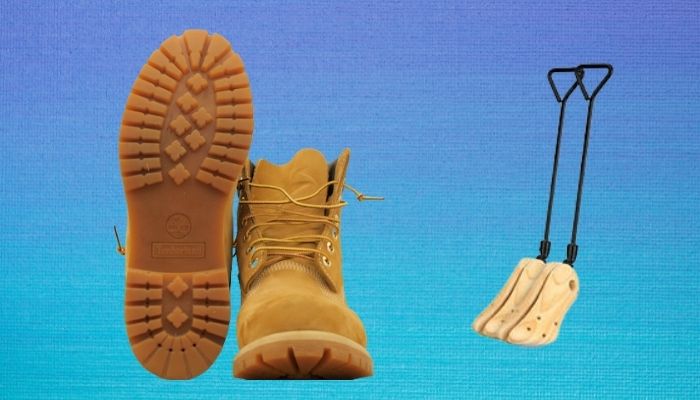
How to Stretch Out Timberland Boots: Customizing Your Comfort
Timberland boots are a symbol of rugged style and durability, designed to withstand the most challenging terrains and weather conditions. However, achieving a comfortable and snug fit is essential to fully enjoy the Timberland experience.
In this section, “How to Stretch Out Timberland Boots,” we delve into various methods and techniques that will help you customize the fit of your Timberlands to match your unique needs and style.
Whether you’ve just purchased a new pair of Timberland boots that need breaking in or you want to accommodate thicker socks for added warmth, we have you covered. We’ll explore a range of strategies for stretching out Timberland boots, allowing you to strike the perfect balance between style and comfort.
1. DIY Methods: Stretching Timberlands at Home
- Discover practical and cost-effective methods that you can implement at home to achieve the desired fit for your Timberland boots. From using thick socks and heat to employing stretching spray, we provide step-by-step instructions to guide you through the process.
2. Professional Boot Stretching: Leave It to the Experts
- For more significant adjustments or if you prefer professional assistance, we’ll explain the benefits of seeking the services of a professional cobbler. This option ensures that your Timberlands are stretched effectively and tailored to your specific requirements.
3. Tips for Maintaining Quality: Preserving Your Timberlands
- Stretching your Timberland boots shouldn’t compromise their quality or longevity. We’ll offer valuable tips to ensure that your boots remain durable and stylish even after the stretching process.
By the end of this section, you’ll be well-versed in the art of customizing your Timberland boots for the ultimate fit and comfort. Your Timberlands deserve to be as unique as your style, and with the insights and techniques provided here, you can make the most of your iconic boots while embracing personalized comfort.
Should Timberlands Be Tight at First?
New Timberland boots may feel snug or slightly tight when you first put them on, and this is normal. Timberland boots are often made with premium leather that can initially be stiff and may require a break-in period to conform to the shape of your feet. This snugness is typically a sign of the boots’ quality and durability.
The snug fit in new Timberlands serves a few purposes:
Preserving Boot Shape: A tighter fit, in the beginning, helps maintain the structure and shape of the boot during transportation and storage.
Break-In Period: Leather boots, including Timberlands, need time to soften and mold to the contours of your feet. This break-in period can take a few weeks of regular wear.
Optimal Support: A snug fit offers better support for your feet and ankles, which is important, especially if you plan to use your Timberlands for outdoor activities or work.
While a tight fit at first is normal, it’s essential to differentiate between snugness and discomfort. Timberland boots should not be so tight that they cause pain or restrict your movement.
If your Timberlands are painfully tight, it’s a sign that they may not be the right size for you. In such cases, it’s advisable to consider a size-up or explore stretching methods to achieve a more comfortable fit without compromising the quality of the boots.
In summary, new Timberland boots should have a snug fit initially to ensure their structure and to allow for the break-in period. However, this snugness should not lead to discomfort or pain. It’s important to achieve a balance between style, durability, and comfort when it comes to wearing your Timberland boots.
Also Read: How to Remove Insoles From Shoes
How Do You Break in Timberlands Fast?
Breaking in Timberland boots faster can be achieved with some strategic techniques, helping you achieve a comfortable fit more quickly without sacrificing the quality or durability of your boots. Here are some tips to expedite the break-in process:
Use Thick Socks: Wearing thick, cushioned socks can help fill out the boot’s extra space and apply pressure to the leather. This can speed up the stretching and softening process.
Heat and Moisture: Apply heat and moisture to the boots by wearing them and walking around the house. You can also use a hairdryer on low heat to target specific areas that feel particularly tight. The heat helps soften the leather, making it more pliable.
Leather Softener: Leather softening products can help expedite the break-in process. Apply a leather conditioner or softener to your Timberlands, focusing on the areas that need stretching. Follow the product’s instructions carefully.
Walk Gradually: Start by wearing your Timberlands for short periods around your home. As they begin to soften, gradually increase the duration of wear. Avoid wearing them for extended periods initially to prevent blisters or discomfort.
Boot Stretchers: Boot stretchers are specialized tools that can help stretch the width and length of your boots. Follow the instructions provided with the boot stretcher to ensure safe and effective stretching.
Professional Stretching: If you need a faster break-in and are concerned about causing damage to your Timberlands, consider seeking professional boot stretching services from a cobbler. They have the expertise and tools to expedite the process without compromising the boots’ quality.
Protect Your Feet: Use blister prevention products like moleskin or blister pads to protect your feet from friction and discomfort during the break-in period.
Remember that even with these methods, it’s essential to listen to your feet. If your Timberlands continue to cause pain or significant discomfort, it’s crucial to reassess the size and fit. A boot that is excessively tight might not be the right size for your feet, and you should consider trying a larger size or alternative methods for achieving a comfortable fit.

How Can I Stretch My Boots Fast?
Stretching your boots quickly can be a bit more challenging, as it’s important to avoid damaging the material or compromising the overall quality of the boots. However, there are a few methods you can try to expedite the stretching process while still ensuring the boots remain in good condition:
Use a Boot Stretcher: Boot stretchers are designed to gently expand the width and length of your boots. They can help you achieve a more comfortable fit in a relatively short amount of time. Follow the manufacturer’s instructions carefully to avoid overstretching.
Apply Heat and Moisture: This method works well for leather boots. Wear the boots and walk around your home to generate body heat. You can also use a hairdryer on low heat to target specific tight spots. Combine this with a damp cloth to introduce moisture, making the leather more pliable.
Boot Stretching Spray: There are specific boot stretching sprays available that can help soften the leather and make it more accommodating. Follow the product’s instructions for application and stretching.
Wear Thick Socks: Layering thick, cushioned socks inside your boots can help stretch them faster. The additional material inside the boots exerts pressure on the leather, helping it conform to the shape of your feet.
Professional Stretching: If you need a quick result and want to avoid the risk of overstretching, consider seeking professional boot stretching services from a cobbler. They have the expertise and tools to expedite the process safely and effectively.
Freezing Method: Fill plastic bags with water, place them inside the boots, and put the boots in the freezer. As the water freezes and expands, it gently stretches the leather. This method can be particularly effective for specific areas that need stretching.
Steam Method: Use a handheld garment steamer to steam the inside of the boots. While the leather is still warm and moist, wear the boots with thick socks to help stretch them out. Be cautious with this method to avoid damaging the leather.
It’s important to exercise caution when using these methods to avoid overstretching your boots. Monitor the process closely, and stop when you achieve the desired fit. Remember that while expedited stretching can be effective, it’s essential to prioritize the longevity and quality of your boots. Stretching should always be done in a way that maintains the structural integrity of the footwear.
How Can I Stretch My Boots Wider?
Stretching your boots wider can be achieved using various methods, and it’s essential to prioritize both comfort and the quality of your boots. Here’s how you can stretch your boots wider:
Use a Boot Stretcher: A boot stretcher is a specialized tool designed to expand the width of your boots. Insert the stretcher into your boots, adjust it to the desired width, and leave it in place for a period of time. Follow the manufacturer’s instructions to avoid overstretching.
Stretching Spray: Boot stretching sprays are available that can help soften the leather or material and make it more pliable. Apply the stretching spray to the inside of your boots, focusing on the areas that need widening. Wear the boots immediately and walk around to help the leather conform to your feet. Follow the product’s instructions for the best results.
Use Thick Socks: Layering thick socks inside your boots can help stretch them wider. The added thickness of the socks puts pressure on the material, making it more accommodating. This method works best for boots that are slightly tight and need a minor adjustment.
Freezing Method: Fill plastic bags with water, place them inside the boots, and put the boots in the freezer. As the water freezes and expands, it gently stretches the material. This method is effective for both leather and synthetic boots and can be particularly useful for specific areas that need widening.
Visit a Professional Cobbler: Professional cobblers have the expertise and tools to stretch your boots wider without damaging them. They can provide a precise and effective widening of the boots, ensuring the quality of the footwear remains intact.
Steam Method: Use a handheld garment steamer to steam the inside of the boots. While the material is warm and moist, wear the boots with thick socks to help stretch them wider. Be cautious with this method to avoid damaging the material.
It’s important to monitor the stretching process closely to prevent overstretching, which can compromise the integrity of your boots. Remember that each method may work differently depending on the material and construction of your boots, so choose the one that suits your specific needs and the type of boots you’re working with.
Do Timberlands Stretch? 7 Easy Ways to Break In Them!
Yes, Timberland boots can stretch over time, especially if they are made of high-quality leather. Timberlands are known for their durability and the comfort they offer once they are broken in. However, the degree to which they stretch and the time it takes may vary based on the specific model and the type of leather used.
To expedite the break-in process and ensure a comfortable fit, here are seven easy ways to break in Timberland boots:
Wear Thick Socks: Thick, cushioned socks can help fill out your boots and exert pressure on the leather. This can speed up the stretching process.
Heat and Moisture: Wear your Timberlands and walk around the house to generate body heat. You can also use a hairdryer on low heat to soften specific tight areas. Combining this with a damp cloth can make the leather more pliable.
Use a Leather Conditioner: Applying a leather conditioner or softener can expedite the softening and stretching of the leather. Follow the product’s instructions to ensure safe application.
Walk Gradually: Start by wearing your Timberlands for short periods and gradually increase the duration of wear. This allows your boots to mold to your feet without causing discomfort.
Boot Stretchers: Boot stretchers are specialized tools that can gently expand the width and length of your boots. Follow the manufacturer’s instructions to ensure safe and effective stretching.
Professional Stretching: For a faster break-in process and to avoid damaging your Timberlands, consider seeking professional boot stretching services from a cobbler. They have the expertise and tools to expedite the process without compromising the boots’ quality.
Protect Your Feet: To prevent blisters and discomfort during the break-in period, use blister prevention products like moleskin or blister pads.
Remember that while Timberland boots can stretch and become more comfortable over time, they should not be excessively tight or painful to wear. If your Timberlands continue to cause pain or significant discomfort, consider reassessing the size and fit to ensure your boots provide the perfect blend of style and comfort.
Do Timberlands Boots Stretch?
Yes, Timberland boots can stretch, especially if they are made of high-quality leather. Leather has a natural tendency to conform to the shape of the foot over time, making the boots more comfortable. However, the extent to which Timberland boots stretch may vary depending on the specific model and the type of leather used.
Here are a few factors to consider regarding the stretching of Timberland boots:
Leather Type: The type of leather used in your Timberland boots plays a significant role in how much they will stretch. Full-grain leather, which is commonly used in Timberland boots, tends to stretch more and conform to your feet over time.
Break-In Period: Timberland boots may feel snug when new, and they often require a break-in period to achieve the desired fit. During this period, the leather softens and molds to the shape of your feet.
Fit and Sizing: It’s important to ensure you have the correct size when purchasing Timberland boots. Boots that are excessively tight from the start may not stretch enough to provide a comfortable fit.
Maintenance: Proper care and maintenance of your Timberland boots, such as cleaning, conditioning, and protecting the leather, can help maintain their quality and extend their lifespan while allowing them to stretch naturally over time.
While Timberland boots can stretch and become more comfortable with wear, it’s essential to strike a balance between the initial snugness and achieving a comfortable fit.
Timberland boots should not be excessively tight or painful to wear. If you experience discomfort, reassess the size and fit to ensure your boots provide both style and comfort.
Why Are Timberlands Uncomfortable at First?
Timberland boots can be uncomfortable at first for several reasons, but these initial discomforts are typically part of the break-in process and are associated with the quality and durability of the boots:
Stiff Leather: Timberland boots are often made from high-quality, full-grain leather. This type of leather is naturally stiff when new, which can make the boots feel rigid and less flexible. The stiffness is a sign of the boot’s durability and longevity but can lead to initial discomfort.
Limited Flexibility: The thick and sturdy construction of Timberland boots, including their outsoles and midsoles, may offer limited flexibility when new. This can lead to a feeling of rigidity and reduced comfort until the boots have been broken in.
Lack of Cushioning: Timberland boots are designed for outdoor and work environments, where support and durability are prioritized. As a result, they may have less cushioning than some other types of footwear, which can initially feel less comfortable.
Snug Fit: Timberland boots are often designed with a snug fit to provide better support and stability during outdoor activities and work. While this ensures a secure fit, it can lead to initial tightness that may be uncomfortable until the boots are broken in.
To make Timberland boots more comfortable at first, you can take several steps:
- Wear thick, cushioned socks to provide additional padding and reduce friction.
- Gradually break in your boots by wearing them for short periods initially and gradually increasing the duration.
- Use boot stretching methods, such as wearing your boots with thick socks or using a boot stretcher, to accelerate the break-in process.
- Apply leather conditioners and softeners to make the leather more pliable and comfortable.
It’s important to note that, with time and wear, Timberland boots become more comfortable as they conform to the shape of your feet. The initial discomfort is part of the process of achieving a customized and cozy fit.
Conclusion: Stretching Timberland Boots for Personalized Comfort
In our quest for the perfect pair of Timberland boots, we’ve explored the art of stretching to achieve a customized and comfortable fit. Timberlands are renowned for their durability and style, and while they may feel snug or rigid when new, the journey to a personalized, cozy fit is well worth it.
Throughout this guide, we’ve examined various methods for stretching Timberland boots, from do-it-yourself techniques to professional assistance. Whether you’re working with a new pair that requires a break-in period, looking to accommodate thicker socks, or addressing specific fitting concerns, we’ve provided the knowledge and tools to make your Timberlands uniquely yours.
By following the tips and techniques laid out in this guide, you can ensure that your Timberland boots offer both style and comfort. After all, Timberlands are more than just footwear; they are a symbol of durability and adventure. With a snug, customized fit, they’ll become your trusted companions for all of life’s journeys.
So, whether you’re preparing for outdoor expeditions, working long hours, or just looking for timeless, comfortable style, your Timberland boots are ready to meet your every need. Use these stretching techniques to unlock their full potential and enjoy a pair of boots that truly fits you.
FAQs
1. Are Timberland boots supposed to be tight when new?
- Timberland boots may feel snug or tight when new due to the stiffness of high-quality leather. We explain whether this is normal and how to address it.
2. Can I use a boot stretcher for Timberland boots?
- Boot stretchers can be effective for Timberland boots, but you should follow specific guidelines to ensure safe and successful stretching. We provide insights on how to use them effectively.
3. What’s the fastest way to break in Timberland boots?
- Breaking in Timberland boots quickly can be essential for immediate comfort. We offer tips and methods to expedite the break-in process.
4. How do I maintain the quality of my Timberland boots while stretching them?
- Stretching your Timberland boots should not compromise their quality or durability. We provide guidance on maintaining the integrity of your boots during the stretching process.
5. Should I seek professional assistance for stretching Timberland boots?
- Professional cobblers offer boot stretching services, but is it necessary or beneficial? We discuss the pros and cons of seeking professional help for your Timberland boots.
For a broader overview, see our The Ultimate Shoe Advice Guide: Best Shoes for Every Foot Need | FeetHealth guide.